



Before You Go: Permits and Planning
Before you even pack your bags, the most critical step for a Sikkim journey is preparation. Many popular destinations, especially in North Sikkim (like Lachen, Lachung, Yumthang Valley, and Gurudongmar Lake) and East Sikkim (Tsomgo Lake), are protected
areas requiring a Protected Area Permit (PAP) for all visitors, including Indian citizens. These permits are typically arranged by local, government-registered travel agencies. The Sikkim Tourism website maintains a list of verified operators to avoid fraud. November is a great time to visit as monsoon rains have passed, leaving clear skies, but it's also the start of winter. Temperatures can drop significantly, especially at high altitudes, so checking the forecast on portals like the India Meteorological Department is wise. Also, always have digital and physical copies of your ID (Voter ID or Driving License, as Aadhaar is often not accepted for permits), passport-sized photos, and all permits.
Day 1: Arrival in Gangtok and Acclimatisation
Your journey will likely begin at Bagdogra Airport (IXB) or New Jalpaiguri (NJP) railway station in West Bengal. The drive to Gangtok, Sikkim's capital, takes about 4 to 5 hours. Use this first day to acclimatise to the altitude (about 1,650 metres). The journey itself is scenic, often tracing the path of the Teesta River. Once you check into your hotel, take a leisurely stroll along the vibrant, vehicle-free MG Marg. It's a great place to soak in the local atmosphere, browse shops, and try some local cuisine. Avoid planning any strenuous activities on your arrival day; your body needs time to adjust to the change in elevation.
Day 2: Gangtok Local Exploration
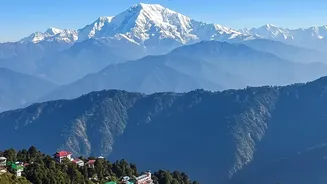
After a good night's rest, explore the sights around Gangtok. A typical day's sightseeing can include the Rumtek Monastery (one of the most important in Sikkim), the Namgyal Institute of Tibetology for a dose of history and culture, and the Do-Drul Chorten stupa. For stunning views of the Kanchenjunga range (weather permitting), head to Ganesh Tok or Tashi Viewpoint. The Gangtok Ropeway offers a panoramic view of the city and its surrounding valleys. This relaxed day of local sightseeing helps with further acclimatisation before you head to higher altitudes.
Day 3: Journey to Lachen, the Gateway to the North
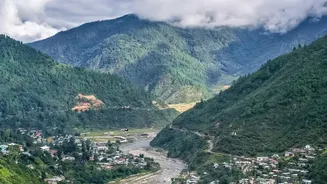
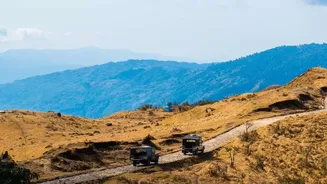
This is where pre-trip planning becomes crucial. The drive from Gangtok to Lachen in North Sikkim takes about 6 to 8 hours, covering rugged mountain terrain. Road conditions can be unpredictable, and routes can change. Your registered tour operator is your best source for real-time updates. All vehicles heading to North Sikkim must pass through checkpoints, where your permits will be verified. The journey is filled with stunning natural beauty, including the confluence of the Lachen and Lachung rivers at Chungthang. Lachen is a small, serene village that serves as the base for visiting Gurudongmar Lake. Settle in for the night and prepare for an early start the next day.
Day 4: Gurudongmar Lake and On to Lachung
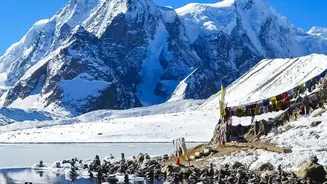
Today involves an early morning trip to the magnificent Gurudongmar Lake, one of the highest lakes in the world, situated at an altitude of over 5,400 metres. The air is thin and the weather can be extreme, so warm layers are non-negotiable. Access to the lake is subject to weather conditions and army clearance on the day. After experiencing the stark beauty of the lake, you will travel back towards Chungthang and then proceed to Lachung, another picturesque village famous for being the base for Yumthang Valley. This long day of travel highlights the importance of using a sturdy vehicle and an experienced driver, which your registered tour operator will arrange.
Day 5: Yumthang Valley and Return to Gangtok
From Lachung, a 25-km drive takes you to the 'Valley of Flowers', Yumthang Valley. While the rhododendrons are in bloom in spring, the valley is stunning year-round, often covered in a blanket of snow in late November. Depending on permits and road conditions, you might be able to travel further to Zero Point (Yumesamdong), where the civilian road ends. After soaking in the views, you will begin the long drive back to Gangtok. Keep some buffer time in your schedule, as landslides or other disruptions can cause delays. Constant communication with your driver and tour operator is key to navigating any such issues safely.