


Beyond the Golden Triangle
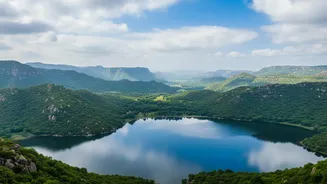
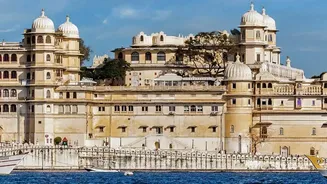
For decades, Rajasthan's tourism has been dominated by the well-trodden circuit of Jaipur, Jodhpur, and Udaipur. While these cities continue to be major draws, the state government is now strategically shifting focus to what it calls "emerging destinations."
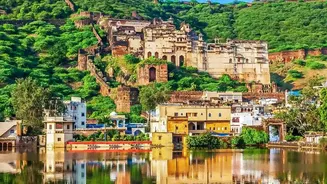
The Rajasthan Tourism Policy 2020 explicitly aims to develop and promote innovative products and services with a focus on lesser-known destinations, especially in rural areas. This strategy involves creating new themed circuits, such as the Maharana Pratap Tourist Circuit and a Tribal Tourist Circuit, to showcase a wider range of the state's cultural and natural heritage. Recent government efforts have highlighted regions like Banswara, Bundi, and the Shekhawati area, urging tour operators to incorporate them into new itineraries. The goal is to distribute tourist footfall more evenly, reduce pressure on traditional hubs, and unlock economic opportunities for local communities in previously overlooked parts of the state.
The Last-Mile Connectivity Problem
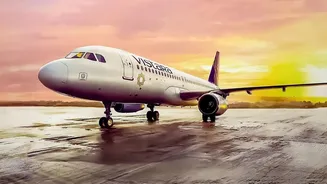
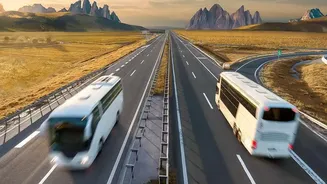
The primary hurdle for these emerging destinations is not a lack of appeal, but a lack of access. While major cities in Rajasthan are reasonably well-connected by air, rail, and national highways, many potential tourist spots in rural and remote areas suffer from poor last-mile connectivity. Studies and reports consistently identify a poor conveyance system as a crucial problem, noting that many spots of touristic importance remain unidentified or inaccessible simply because the infrastructure to reach them is inadequate or poorly maintained. This deficit in transport infrastructure directly impacts the viability of developing tourism in these areas. Tourists, whether domestic or international, are less likely to venture off the beaten path if it involves difficult or unreliable journeys. This challenge is a key focus of state planning, with a recognised need to improve road, rail, and air connectivity to unlock the potential of these new areas.
From Footfall to Economic Value
Effective transport planning is not just about moving people; it's about creating economic value. Improved accessibility directly translates to higher tourist arrivals, longer stays, and increased spending, which benefits the entire local ecosystem. A study on Jodhpur, for instance, showed that road development led to a significant rise in tourist arrivals and a 12-25% increase in revenues for local businesses like handicraft shops and transport providers. Conversely, poor connectivity suppresses the value of tourism assets. A hotel or homestay in a stunning but hard-to-reach location cannot command the same price or achieve the same occupancy as one in an accessible area. This is why the state has allocated substantial funds to improve last-mile connectivity and is even exploring Hop-on Hop-off bus services in major tourist cities to enhance mobility. The success of policies like the Rajasthan Homestay Scheme 2026, designed to empower rural and women entrepreneurs, is intrinsically linked to whether tourists can easily reach these homes.
The Road Ahead: Integrated Planning
Recognising this link, Rajasthan's government is working to integrate infrastructure development with its tourism strategy. This involves close coordination with agencies like the National Highways Authority of India (NHAI) and the state's Public Works Department (PWD). Major projects like the Delhi–Mumbai Expressway are seen as game-changers, drastically reducing travel times. The government has constituted the Rajasthan Tourism Infrastructure and Capacity Building Fund with a significant allocation to support large-scale projects. Furthermore, there is a push to develop a circuit-based tourism master plan, which will assess infrastructure gaps in each tourist circuit and prepare proposals for development. This holistic approach, which combines building roads and railways with digital infrastructure like online booking systems and promoting new experiences like astro-tourism, is crucial. The ultimate aim is to ensure that the journey to a destination is as seamless and high-quality as the experience at the destination itself.