



The Damp Dilemma: Skin and Coat Troubles
Constant dampness is the biggest challenge for a pet's skin and coat during the monsoon. When a pet's fur remains wet, it creates a warm, humid microenvironment right against their skin, which is a perfect breeding ground for bacteria and fungi. This
can lead to a host of problems, including acute moist dermatitis, commonly known as 'hot spots'. These are red, inflamed, and painful areas of skin that can appear suddenly and spread quickly. Fungal infections like ringworm and yeast infections also thrive in these conditions, causing intense itching, redness, circular patches of hair loss, and sometimes a musty odour. Pets with thick coats or skin folds are particularly susceptible. Regular grooming and ensuring your pet is dried thoroughly after any exposure to rain are critical preventative measures.
An Itch in the Ear: Rising Infections
The same moisture that affects the skin can become trapped inside your pet's ear canals. This is especially true for breeds with floppy ears like Beagles and Cocker Spaniels, as their ear flaps reduce air circulation. The warm, damp, and dark environment of the ear canal is ideal for the overgrowth of yeast and bacteria, leading to painful ear infections. Signs to watch for include excessive head shaking, scratching at the ears, redness inside the ear, an unpleasant odour, or discharge. To prevent this, it's essential to gently dry your pet's ears after they get wet and perform regular cleanings with a vet-approved solution, especially during the rainy season.
Unwanted Guests: A Surge in Parasites
The monsoon is peak season for parasites like fleas, ticks, and mosquitoes. The humidity and wet ground create the perfect conditions for these pests to breed and thrive. Ticks are particularly dangerous as they can transmit serious illnesses, often called 'tick fever', which can cause fever, lethargy, and in severe cases, organ failure. Mosquitoes, which lay their eggs in stagnant water, can transmit heartworm disease. It's crucial to be diligent with year-round parasite prevention, but even more so during the monsoons. Always check your pet for ticks after walks, especially around their ears, neck, and paws.
The Perils of Puddles: Water-Borne Diseases
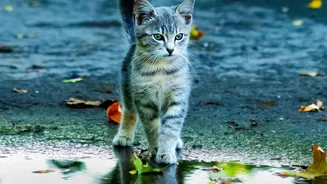
While a splash in a puddle might seem like harmless fun, stagnant water is a significant health hazard. Puddles and waterlogged areas can be contaminated with urine from infected animals, spreading dangerous bacteria like Leptospira. This causes leptospirosis, a severe disease that can lead to kidney and liver damage and can also be transmitted to humans. Other parasites like Giardia, which cause severe gastrointestinal issues like vomiting and diarrhoea, also thrive in contaminated water. Always provide your pet with fresh, clean drinking water, and actively discourage them from drinking from puddles or other outdoor sources. Some experts recommend boiling your pet's drinking water during this season as an extra precaution.
Paw Protection is Paramount
A pet's paws are in constant contact with wet, muddy, and potentially contaminated surfaces during the monsoon. This continuous exposure to moisture can soften the paw pads, making them more susceptible to cuts and injuries. The dirt and grime that get trapped between their toes can also lead to fungal or bacterial infections. It's a simple but vital habit to wash and thoroughly dry your pet's paws after every walk. Inspect their pads for any signs of irritation, redness, or cuts. This small step can prevent significant discomfort and infection.
Coping with the Storm: Anxiety and Stress
The health risks aren't just physical. The loud claps of thunder and flashes of lightning that accompany monsoon storms can cause significant anxiety and stress for many pets. Signs of storm phobia include hiding, excessive panting, trembling, whining, or trying to escape. To help your pet feel secure, create a safe, quiet space for them indoors, away from windows. Playing soft music or white noise can help muffle the storm's sounds. Staying calm and reassuring your pet can also help alleviate their fear.