




What is an ‘Exercise Snack’?
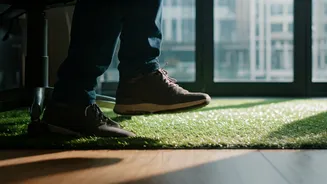
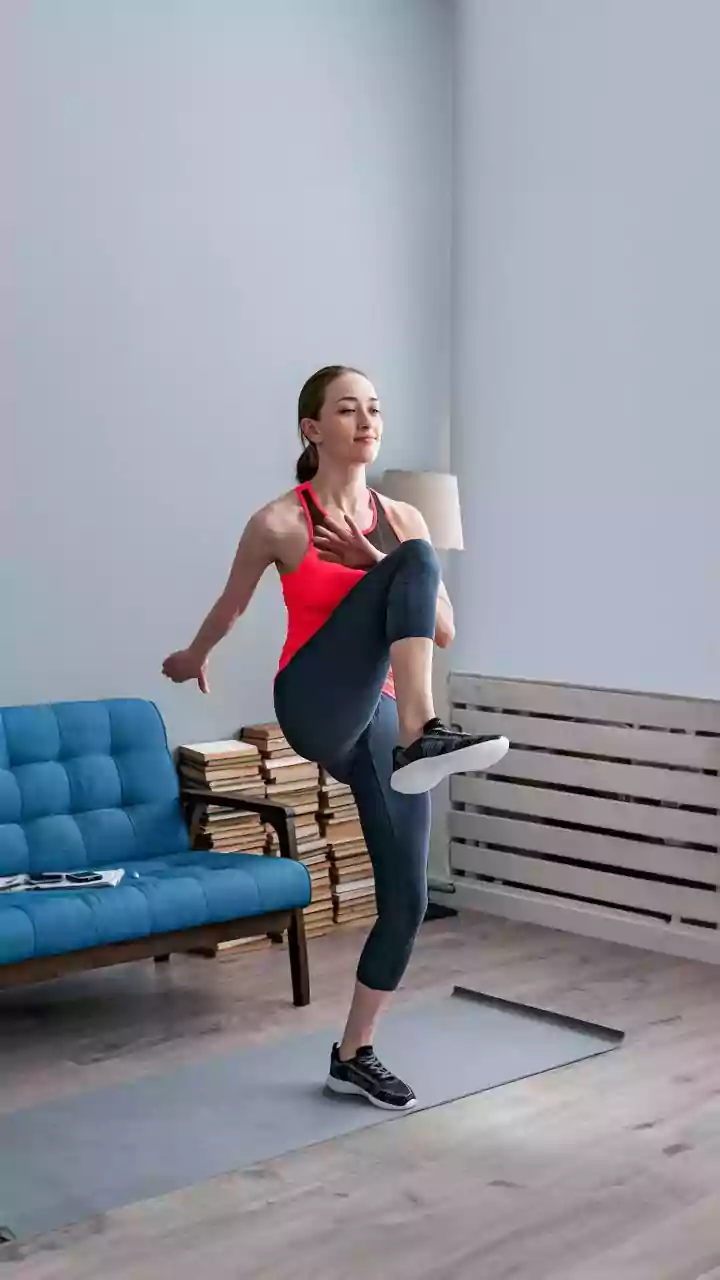
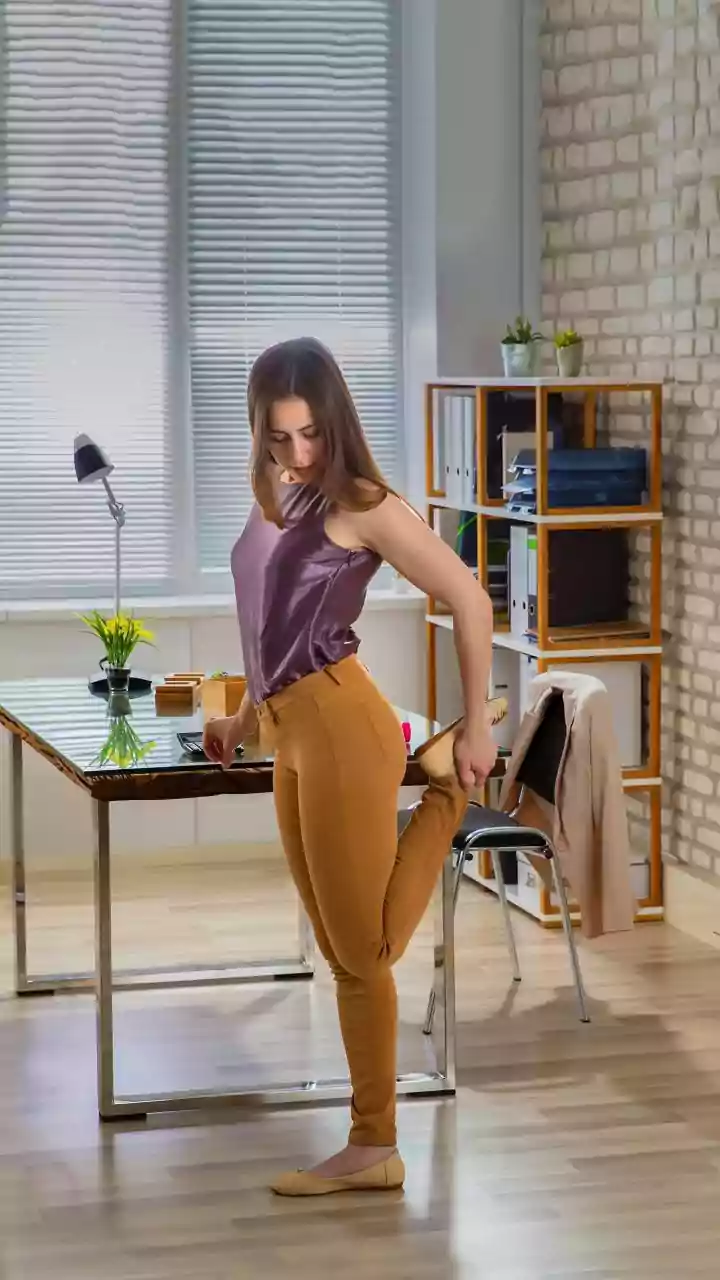
Don't worry, it has nothing to do with eating while on a treadmill. An exercise snack is a short, intense burst of physical activity, typically lasting just one to two minutes. The concept, popularised by exercise scientists, is designed to break up long
periods of sitting. Think of it as a mini-workout that you can sprinkle throughout your day. The goal isn't to replace a full workout session, but to combat the negative effects of a sedentary lifestyle, such as sluggishness, poor circulation, and brain fog. Research suggests these brief bouts of activity can improve cardiovascular health, help regulate blood sugar levels, and, most importantly for your workday, provide an immediate mental and physical boost.
The Science of the Slump
Why do we feel so drained in the middle of the day? After a meal, especially one rich in carbohydrates, our blood sugar levels can spike and then crash, leading to lethargy. Furthermore, sitting for prolonged periods reduces blood flow to the brain and muscles, making us feel tired and unfocused. A quick exercise snack works by interrupting this cycle. It gets your heart rate up, pumping oxygen-rich blood to your brain and throughout your body. This movement also helps your muscles use up glucose from the bloodstream, preventing that post-meal sugar crash. It’s like hitting a reset button for your body’s energy systems.
Snack 1: The Stair Climb Sprint
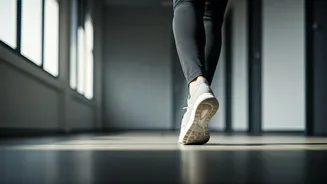
Perhaps the most effective exercise snack is one that’s accessible in most offices and homes: stairs. Instead of taking the lift, make a point to climb a few flights of stairs at a brisk, purposeful pace. A study from McMaster University found that vigorously climbing stairs for just a few minutes, spread throughout the day, significantly improved cardiovascular fitness. For your two-minute snack, simply walk up and down a flight or two of stairs continuously. Focus on moving safely but quickly enough to feel your heart rate increase and your breathing become slightly heavier. It’s a powerful way to wake up your entire lower body and cardiovascular system.
Snack 2: Desk-Side Squats
The bodyweight squat is a fundamental movement that engages some of the largest muscles in your body, including your glutes, quadriceps, and hamstrings. Activating these big muscles requires a lot of energy, which in turn revs up your metabolism and circulation. To perform this snack, stand up from your chair with your feet shoulder-width apart. Lower your hips back and down as if you’re about to sit in a chair, keeping your chest up and your back straight. Go as low as you comfortably can, then press through your heels to return to the starting position. Perform squats continuously for 60 to 90 seconds, rest for a moment, and you’re done.
Snack 3: The Wall Push-Up
If you’re looking for a low-impact upper body boost, the wall push-up is an excellent choice. It activates your chest, shoulders, and arms without requiring you to get on the floor. Stand about an arm's length away from a sturdy wall. Place your palms flat against the wall, slightly wider than your shoulders. Keeping your body in a straight line from your head to your heels, bend your elbows and lower your chest towards the wall. Push back to the starting position. Control the movement and focus on squeezing your chest muscles. A full two minutes of this can be challenging, so aim for sets of 10-15 repetitions with brief pauses in between.
Making Exercise Snacking a Habit
The key to reaping the benefits of exercise snacks is consistency. The easiest way to build the habit is to link it to an existing part of your routine. This is a concept known as 'habit stacking'. For example: 'After I finish a long meeting, I will do one minute of squats.' Or, 'Every time I get up to refill my water bottle, I will take the stairs.' You can also set a recurring timer on your phone or smartwatch for every 60 or 90 minutes to remind you to get up and move. Start small—just one snack a day—and gradually add more as you feel comfortable. The goal is progress, not perfection.