



The Mid-Morning Hunger Puzzle
A warm bowl of oats seems like the perfect way to start the day. It’s full of fibre and complex carbohydrates, which are meant to provide sustained energy. So why does it sometimes leave you feeling hungry just a couple of hours later? The answer often
lies in what you put on top. While adding fruit like bananas or berries provides vitamins and some extra fibre, it primarily contributes more carbohydrates and natural sugars. This can lead to a quicker spike and subsequent drop in blood sugar, triggering premature hunger pangs and cravings long before lunchtime. Without a proper balance of other essential macronutrients, your breakfast isn't working as hard as it could to keep you satisfied.
The Satiety Trio: Protein, Fat, and Fibre
The key to making any meal more filling is to ensure it contains a powerful combination of protein, healthy fats, and fibre. This is where nuts and seeds have a distinct advantage over fruit. Protein is known to be the most filling macronutrient, helping to suppress hunger hormones. Healthy fats, like the mono and polyunsaturated fats found in almonds, walnuts, and chia seeds, slow down gastric emptying. This means the food physically stays in your stomach for longer, promoting a prolonged feeling of fullness. Fibre, which both oats and nuts provide, slows overall digestion and helps stabilise blood sugar levels, preventing the energy crashes that lead to snacking.
How Nuts and Seeds Win for Fullness
When you compare toppings, the nutritional differences are clear. A handful of almonds or a tablespoon of chia seeds adds a significant amount of protein and healthy fats to your bowl, creating a more balanced meal. For example, just two tablespoons of chia seeds can add about 10 grams of fibre and 4-5 grams of protein. Walnuts and flaxseeds are excellent sources of omega-3 fatty acids, which have their own range of health benefits beyond just satiety. This combination of nutrients works synergistically to slow down the absorption of the carbohydrates from the oats, resulting in a much steadier release of energy throughout your morning. This prevents the sharp blood sugar fluctuations that a carb-heavy breakfast can cause.
Beyond Fullness: Extra Nutritional Perks
While staying full is the main goal, the benefits don’t stop there. Nuts and seeds are nutritional powerhouses packed with vitamins and minerals that fruit-topped oatmeal might lack. For instance, almonds are a great source of Vitamin E and magnesium, while pumpkin seeds offer zinc and iron. Adding these toppings is an easy way to boost your intake of essential micronutrients that support everything from bone health to immune function. So, while you’re engineering a more filling breakfast, you’re also creating a more nutrient-dense one without much extra effort.
Smart Ways to Upgrade Your Oatmeal
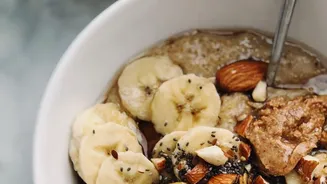
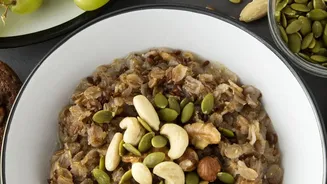
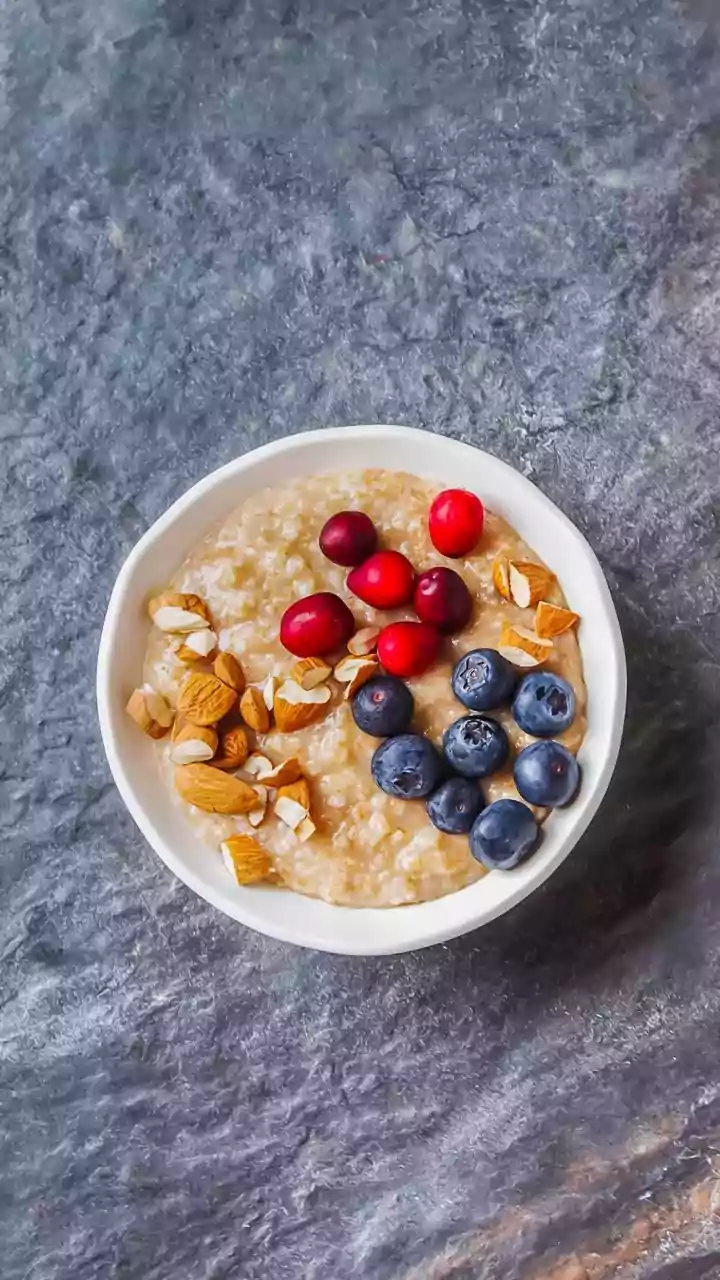
Ready to transform your breakfast bowl? It’s simple. Aim for a serving of one to two tablespoons of seeds or a small handful of nuts. Ground flaxseed and chia seeds blend in easily and thicken the texture, especially in overnight oats. For crunch and flavour, try adding chopped walnuts, pecans, or slivered almonds after cooking. Don't be afraid to combine them; a mix of pumpkin seeds, sunflower seeds, and a few chopped walnuts provides a fantastic variety of textures and nutrients. You can even use a spoonful of nut butter for a creamy, satisfying dose of protein and fat. The goal isn't to eliminate fruit entirely—a combination of berries for sweetness and antioxidants, plus nuts or seeds for satiety, creates the ultimate balanced breakfast bowl.