







The Science of the Sugar Crash
We’ve all been there: you finish a satisfying meal, and within an hour, a wave of fatigue hits, making it hard to focus. This is often the result of a blood sugar spike followed by a crash. When you eat, your body converts carbohydrates into glucose,
which enters your bloodstream. This signals your pancreas to release insulin to help your cells absorb the glucose for energy. However, large or carb-heavy meals can flood your bloodstream with glucose too quickly. Your body responds with a surge of insulin, which can cause your blood sugar to drop rapidly, leading to that familiar slump, irritability, and even more cravings.
How Walking Stabilises Blood Sugar
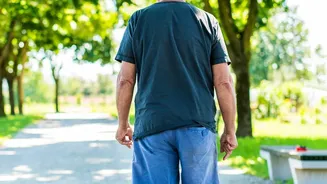
This is where a short, gentle walk works its magic. Physical activity, even at a low intensity, prompts your muscles to use glucose for energy. When you walk right after a meal, your muscles begin to pull glucose directly from your bloodstream, which helps to lower the overall spike in blood sugar. Research has shown that a 10 to 15-minute walk after eating can significantly reduce post-meal glucose levels. This process is partly thanks to something called GLUT4 transporters, which are like gates on your muscle cells. Exercise activates these transporters, allowing them to usher glucose into the muscles without needing a large amount of insulin. This not only blunts the immediate spike but also helps improve your body’s overall insulin sensitivity over time.
Understanding Post-Workout Soreness
Now, let’s switch gears to muscle soreness. That ache you feel a day or two after a challenging workout is known as Delayed Onset Muscle Soreness, or DOMS. It's a normal response to exercise, especially when you’re trying a new activity or pushing your limits. The strain of the workout causes microscopic tears in your muscle fibres. In response, your body initiates an inflammatory healing process to repair this damage, which is what leads to the stiffness and tenderness associated with DOMS. While it's a sign that your muscles are adapting and getting stronger, it can certainly be uncomfortable.
The Gentle Power of Active Recovery
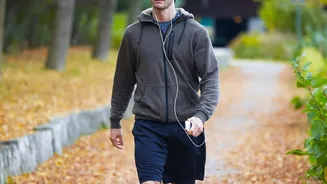
It might seem counterintuitive to move when you’re sore, but gentle activity is one of the best things for it. This is called active recovery. Unlike passive recovery (like sitting on the couch), a light walk increases blood flow throughout the body. This enhanced circulation is crucial for healing. It delivers more oxygen and nutrients to your aching muscles, which they need to repair themselves efficiently. At the same time, it helps flush out metabolic waste products that can accumulate in the tissues during intense exercise. This process reduces stiffness and can significantly decrease the duration and severity of muscle soreness, helping you feel better, faster.
Your 15-Minute Blueprint for Success
Incorporating this habit is incredibly simple. For blood sugar control, aim to start your walk within 30 to 60 minutes of finishing a meal, which is when glucose levels typically peak. For muscle recovery, a walk later in the day or the day after a tough workout is ideal. The key is to keep the intensity low. You should be able to hold a conversation easily. This isn't a power walk; it’s a gentle stroll meant to aid your body, not tax it further. You don’t need a special location—a walk around your neighbourhood, a few laps around the office, or even pacing in your living room is enough to make a difference.