





The Off-Season Advantage: Unpacking the Discounts
The primary reason Kerala becomes a budget haven during the monsoon (roughly June to September) is simple economics: it’s the off-season. [7, 12] With fewer tourists, hotels, resorts, and even airlines slash their prices to attract visitors. Discounts
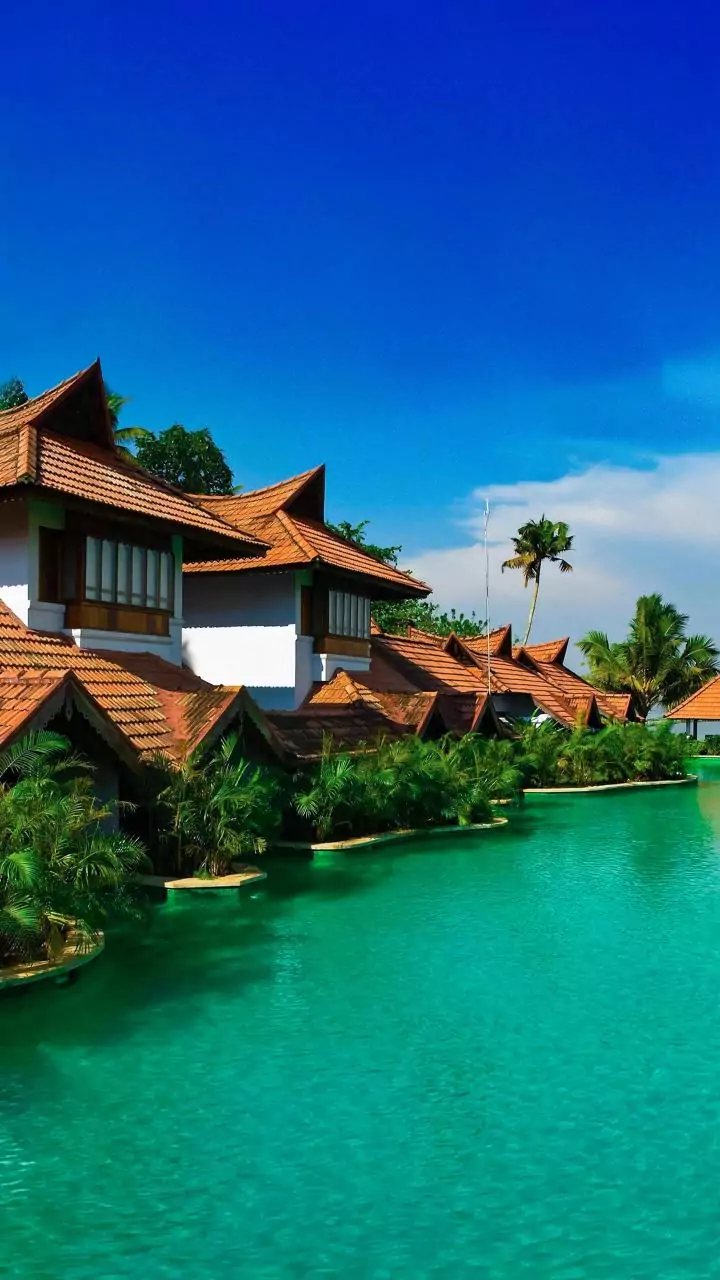
of 30% to 50% on accommodation are common, making luxury stays suddenly accessible. [3] A premium resort that might be prohibitively expensive in the winter peak season can cost half as much in July or August. [2] This price drop extends to experiences as well, with houseboat rentals in the backwaters seeing rate reductions of 45-55%. [2] Flights to major airports like Kochi (COK), Thiruvananthapuram (TRV), and Calicut (CCJ) can also be 40-50% cheaper compared to the bustling winter months. [2, 10]
More Than Savings: The Magic of a Monsoon Trip
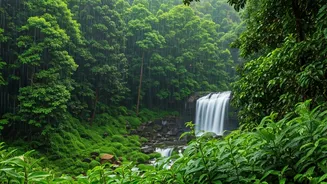
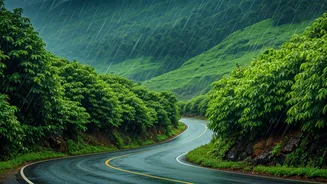
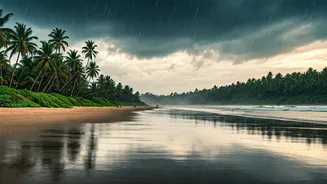
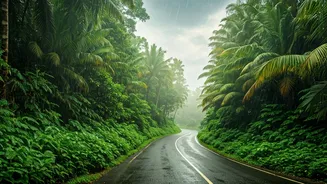
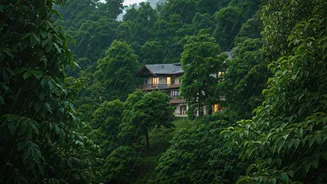
While the savings are a major draw, the real reward of a monsoon visit is experiencing Kerala at its most atmospheric and alive. The rain transforms the state into a lush paradise, turning the hills an emerald green and swelling the waterfalls into powerful, roaring spectacles. [3, 4] Destinations like Munnar, with its tea plantations wrapped in mist, and Wayanad, with its dense, rain-soaked forests, take on a cinematic quality. [11] Furthermore, the monsoon is considered the ideal time for traditional Ayurvedic treatments. [5] According to Ayurvedic principles, the cool, moist, and dust-free air opens the skin’s pores, making therapies for rejuvenation more effective and deeply penetrating. [2, 10]
Where to Go: Top Monsoon Destinations
Certain parts of Kerala are particularly enchanting during the rains. Munnar is a top choice, where you can witness clouds descending upon the tea estates. [2] The backwaters of Alleppey (Alappuzha) offer a unique experience; cruising on a traditional houseboat with the sound of rain on the roof is often described as a trip highlight. [2, 4] Thekkady, home to the Periyar Wildlife Sanctuary, becomes incredibly vibrant, offering chances to see wildlife against a lush backdrop. [14] For those who love waterfalls, Athirappilly Falls, often called the "Niagara of India," is a magnificent sight at its peak flow. [8, 14] Even coastal areas like Kovalam, while not ideal for swimming, are far less crowded and offer a tranquil atmosphere. [5]
What to Do: Rain-Friendly Activities
A rainy forecast doesn't mean staying indoors. Besides indulging in a rejuvenating Ayurvedic massage, you can embark on treks through the rejuvenated Western Ghats. [3, 5] Visiting spice plantations is a sensory delight, as the rain heightens the aromas of cardamom, pepper, and cinnamon. [3] The season also hosts vibrant cultural events. The Onam festival, a 10-day harvest celebration, often falls in August, featuring elaborate feasts, traditional dances like Kathakali, and the famous snake boat races (Vallamkali). [4, 6] Witnessing the Nehru Trophy Boat Race in Alleppey is a thrilling spectacle unique to this time of year. [6]
Practical Tips for Your Rainy Retreat
A successful monsoon trip requires some planning. Pack light, quick-drying clothes, and comfortable, waterproof footwear. An umbrella and raincoat are essential, as are plastic bags to protect your electronic gadgets. [7] While it's generally safe to travel, it's wise to stay updated on weather forecasts, especially if you're heading to hilly areas prone to landslides. [3, 15] When trekking, be prepared for leeches in forested areas and always carry mosquito repellent. [3] Look for special monsoon packages offered by hotels and tourism operators like KTDC and KSINC, which often bundle accommodation, transport, and activities for even greater value. [13, 16]