




The Gentle Art of Cold-Steeping
Unlike traditional iced tea, which is brewed hot and then rapidly cooled, cold-steeping is a slow, patient process. It involves infusing tea leaves or botanicals in cold or room-temperature water for an extended period, typically between 6 to 12 hours
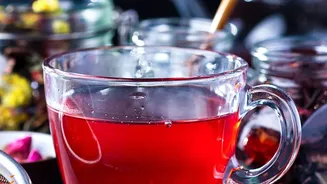
in the refrigerator. Instead of using heat to aggressively pull compounds from the leaves, this method relies on time to gently coax out flavour. The result is a fundamentally different chemical profile in the final drink, one that is often described as smoother, naturally sweeter, and less astringent. This technique is gaining favour on beverage menus for its ability to produce a clean, refined, and consistent product that highlights the subtle nuances of high-quality ingredients.
A Tale of Two Temperatures
The core difference between hot and cold brewing lies in the science of extraction. Hot water is an aggressive solvent; it quickly dissolves a wide range of compounds, including caffeine and polyphenols known as tannins. These tannins are primarily responsible for the bitterness and drying sensation (astringency) in an over-steeped cup of tea. Cold water, on the other hand, is a much more selective solvent. It significantly slows the extraction of tannins and certain catechins (like EGCG), which are less soluble at low temperatures. At the same time, it is very effective at drawing out L-theanine, an amino acid responsible for sweetness and umami, as well as preserving delicate, volatile aromatic compounds that would be destroyed or evaporated by heat. This selective process means cold-brewed tea is often less bitter, less caffeinated, and more aromatically complex.
Why Lemongrass Shines When Chilled
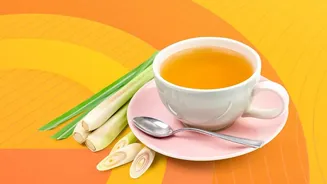
Lemongrass is prized for its high concentration of essential oils, particularly citral, which gives it a bright, clean, and citrusy aroma and flavour. These aromatic compounds are volatile and heat-sensitive. When steeped in boiling water, some of these delicate notes can be lost to steam, and the heat can also extract earthier, more robust flavours from the stalk. Cold-steeping, however, preserves these fragile oils, resulting in a beverage that is crisper, more fragrant, and purely captures the refreshing essence of the herb. For beverage menus aiming to deliver a truly revitalizing and aromatic herbal infusion, cold-brewing lemongrass unlocks a lighter, more nuanced profile that is exceptionally refreshing in warm weather.
Honouring Orthodox Tea's Complexity
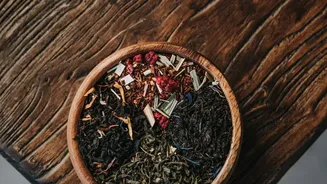
Orthodox teas are whole-leaf teas produced using traditional methods designed to keep the leaf as intact as possible, preserving its essential oils and complex flavours. These teas, which include many premium black, green, and oolong varieties, are known for their delicate and layered profiles. Hot brewing, while effective, can be unforgiving; a few seconds too long can release an excess of tannins that mask the tea's finer points. Cold-steeping is a more forgiving method that protects these delicate leaves. By minimizing the extraction of bitter compounds, it allows the tea's inherent sweetness, floral notes, and malty or fruity undertones to come to the forefront. This makes it an ideal preparation for showcasing the craftsmanship of orthodox teas, delivering a smooth, rounded cup that expresses the leaf's true character without the risk of astringency.
Your Guide to Cold-Steeping
Making your own cold-steeped beverage is beautifully simple. As a general rule, use about 1 to 1.5 grams of loose-leaf tea or herbs for every 100 ml of cold, filtered water. This is roughly one tablespoon for every 500 ml. Simply combine the leaves and water in a clean glass jar or pitcher, cover it, and place it in the refrigerator. Steeping times vary: delicate green and white teas may be ready in 4 to 6 hours, while black teas, oolongs, and herbal infusions like lemongrass often benefit from 8 to 12 hours, or even overnight. Once the time is up, simply strain the leaves and your cold brew is ready to serve over ice. It will stay fresh in the fridge for about three days.