







What Exactly Is Content-Led Commerce?
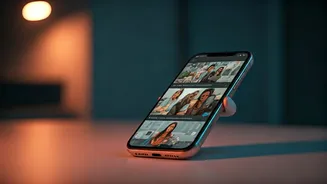
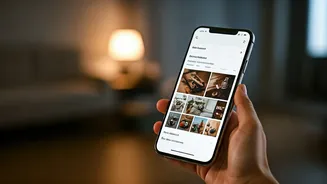
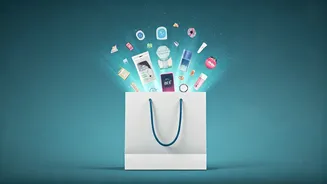
Content-led commerce, or 'social commerce', is the seamless integration of shopping directly into the content people consume. [3] Instead of seeing a pop-up ad and clicking away to a separate website, Gen Z consumers discover, research, and purchase products
within platforms like Instagram, TikTok, and YouTube. [3, 8] Think of 'Get Ready With Me' videos that tag every makeup product, live shopping events hosted by trusted creators, or viral TikTok trends like #TikTokMadeMeBuyIt that drive millions in sales. [5, 14] It’s not just about placing a 'buy' button on a video; it's about making the shopping experience itself a form of engaging and entertaining content. [16] For this generation, the path to purchase no longer starts with a search engine, but with a scroll through their favourite social feed. [14, 22]
The Psychology: Why Authenticity Beats Advertising
Gen Z grew up in a world saturated with digital noise, making them highly skeptical of traditional, polished advertising. [7] They can spot a disingenuous marketing campaign from a mile away and crave authenticity above all else. [4, 7] They trust people, not corporations. [2] This is why peer recommendations and content from creators feel more genuine and carry more weight. [2, 4] In fact, 56% of global Gen Z shoppers have purchased products recommended by a creator. [27] These digital natives prefer raw, behind-the-scenes content that feels relatable and human over perfectly staged brand campaigns. [2] Brands that are transparent, align with their values on issues like sustainability, and build a sense of community are the ones that earn their trust and loyalty. [6, 10]
From Shoppable Posts to 'Shoppertainment'
The evolution of this trend has given rise to 'shoppertainment'—a blend of entertainment and retail. Livestream shopping is a prime example, where hosts demonstrate products in real-time, answer questions, and offer exclusive deals, creating a sense of excitement and urgency. [3] For many Gen Z viewers, the fear of missing out (FOMO) is a powerful motivator during these live events. [5] Beyond livestreams, brands are using interactive formats like polls and quizzes, Augmented Reality (AR) filters for virtual try-ons, and user-generated content (UGC) campaigns to make shopping more participatory and fun. [3, 15] Companies like Lenskart and Nykaa in India are already using Instagram for interactive live sessions and visual storytelling to engage this demographic. [3] The goal is to transform a simple transaction into a memorable, immersive experience. [9]
What This Means for Brands in India
With over 100 million Gen Z consumers, India is a critical market where this trend is accelerating. [3] This generation already accounts for 40-45% of e-retail shoppers and is driving significant growth. [23] For Indian brands, the message is clear: stop interrupting the content and *become* the content. This means investing in creator partnerships, especially with micro-influencers whose audiences feel like a close-knit community. [2] It also requires a mobile-first strategy that is optimised for short-form video on platforms like Instagram Reels and YouTube Shorts. [8] The focus must shift from simply selling a product to telling an authentic story around it. By inviting participation and building a community, brands can move from being just a name to being a part of their customers' identity. [22]