






What is Seasonal Eating, Really?
At its heart, seasonal nutrition is the simple practice of eating fruits and vegetables when they are naturally harvested. It means choosing mangoes in the summer, carrots in the winter, and jamun during the monsoon. For decades, modern supply chains
and greenhouses have given us the illusion of year-round availability for almost everything. While convenient, this comes at a cost to flavour, nutrition, and the environment. The embrace of seasonal eating is a conscious choice to step off this treadmill and realign our plates with the cycles of nature, just as our grandparents did.
A Return to Traditional Wisdom
This isn't a new wellness fad imported from the West; it's a practice deeply embedded in Indian culture. Ayurvedic principles, particularly 'Ritucharya' (seasonal regimen), have advocated for this for centuries. The philosophy is that our bodies, like nature, change with the seasons. Eating seasonal foods helps us adapt. For instance, cooling foods like cucumber are prescribed in summer to combat the heat, while warming foods like ginger and sesame are recommended in winter. This movement is a homecoming, a rediscovery of the profound logic that has guided Indian kitchens for generations.
The Science-Backed Benefits
Modern science now validates this ancient wisdom. Produce that is picked and eaten at its peak of ripeness is more nutrient-dense. A strawberry grown in season and ripened on the vine will contain more Vitamin C and antioxidants than one grown in a greenhouse and shipped across the country. Seasonal foods also taste significantly better—they are fresher, sweeter, and more flavourful. Furthermore, when produce is grown in its proper season, it requires fewer pesticides and chemical interventions because it is naturally more resilient to pests and diseases of that time.
Better for Your Wallet and the Planet
The benefits extend beyond your health. When food is in season, it's abundant. This drives down costs, making seasonal eating a budget-friendly choice. Visiting your local sabzi mandi or farmers' market is the best way to see this in action. Environmentally, eating seasonally reduces your carbon footprint. It cuts down on the energy required for long-distance transportation, artificial ripening processes, and refrigerated storage. It also supports local farmers and strengthens regional food systems, creating a more sustainable and resilient community.
A Taste of Summer
As the temperatures soar, nature provides us with foods that are hydrating and cooling. Think of juicy watermelons and muskmelons, which are over 90% water. Mangoes, the undisputed king of summer, are packed with vitamins A and C. Lighter vegetables like lauki (bottle gourd), cucumber, and tori (ridge gourd) are easy to digest and have a cooling effect on the body. This is also the time for refreshing drinks made from bael (wood apple) and kokum.
A Taste of the Monsoon
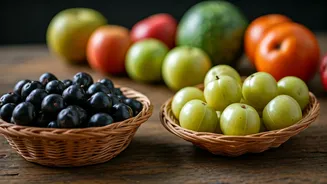
The rainy season brings a heightened risk of infections, and nature’s monsoon bounty is perfectly designed to boost immunity. This is the season for tart and astringent fruits like jamun (black plum) and peaches, which are rich in antioxidants. It's also prime time for bhutta (corn on the cob), a fibre-rich snack. While many leafy greens are avoided, gourds like bitter gourd (karela) and pointed gourd (parwal) are excellent choices. Spices like turmeric and ginger, known for their anti-inflammatory properties, become especially important.
A Taste of Winter
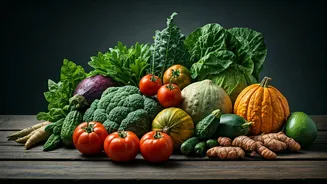
Winter calls for warming, energy-dense foods. The markets are flooded with root vegetables like carrots, beets, sweet potatoes, and radishes, which are grounding and packed with nutrients. This is the season for lush green leafy vegetables like spinach (palak) and fenugreek (methi). Citrus fruits like oranges and amla (Indian gooseberry) are at their peak, providing a much-needed dose of Vitamin C to ward off colds. Nuts and seeds, like til (sesame) and peanuts, are traditionally consumed to provide internal warmth.