



The Science of Dry Skies
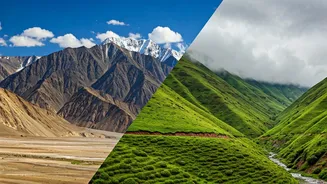
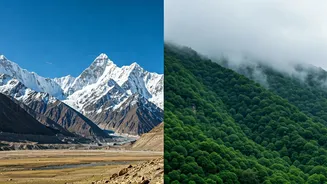
Ladakh's magic lies in a simple geographical phenomenon: it's a rain-shadow region. When the moisture-laden southwest monsoon winds travel from the Indian Ocean, they are blocked by the towering Himalayan range. The mountains force the clouds to rise,
cool, and release all their rain on the windward side. By the time the air crests the peaks and descends into Ladakh on the leeward side, it has lost its moisture. What's left is dry, crisp air, resulting in a cold desert climate with minimal rainfall, even when the rest of the country is drenched. This makes it an ideal travel destination between June and September.
A Landscape of Stark Beauty
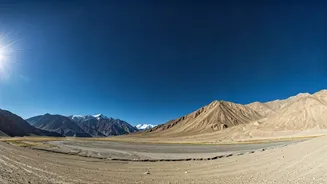
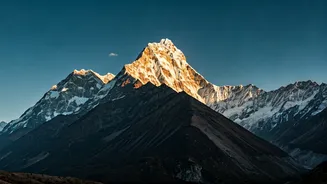
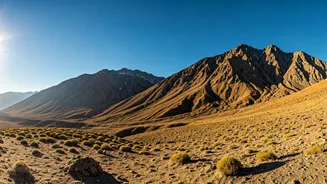
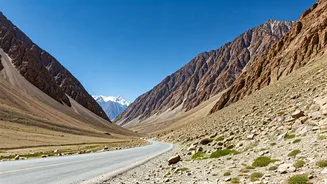
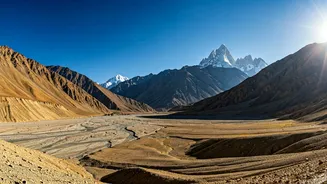
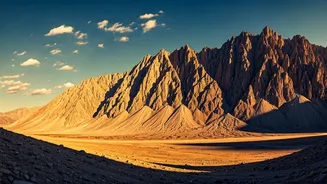
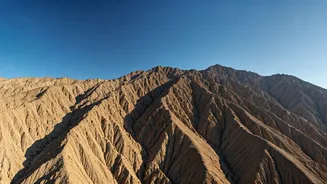
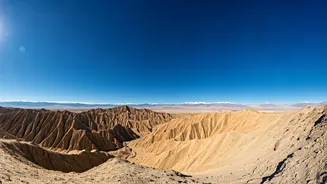
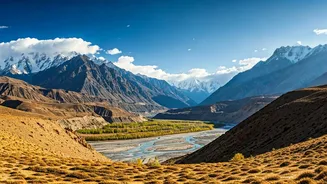
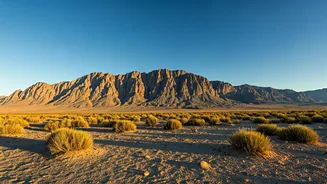
Freed from clouds, Ladakh unveils a landscape of staggering scale and stark beauty. It’s a world of barren, rust-coloured mountains, deep blue lakes, and valleys carved by glacial meltwater. With an average elevation of over 3,000 meters, it is the highest plateau in India. This altitude and lack of vegetation create an unfiltered connection to the environment. The air is thin, the silence is profound, and the sky feels immense. It’s this very emptiness that provides the 'big-sky relief'—a psychological reset button that pulls you away from the clutter of urban life. The sheer scale of the landscape has a humbling effect, reminding visitors of their place in the grand scheme of nature.
The Perfect Monsoon Getaway
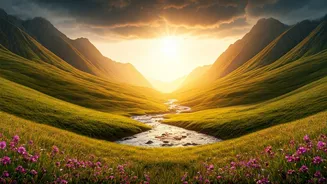
While popular hill stations in other states contend with landslides and constant downpours, Ladakh's roads generally remain open and its weather pleasant. Daytime temperatures are comfortable, and though there might be occasional showers, they rarely disrupt travel plans. This dry window offers a rare opportunity for adventure when options elsewhere are limited. It’s a season of fewer crowds, allowing for a more peaceful experience at iconic sites like Pangong Tso, Nubra Valley, and the region's many monasteries. The occasional rain can even enhance the scenery, washing the dust off the mountains and sometimes leading to a bloom of wildflowers in the high-altitude meadows.
Beyond the Views: Finding Your Calm
The relief found in Ladakh is more than just visual. The region is a hub for wellness and spiritual journeys, offering everything from meditation retreats at ancient monasteries to yoga sessions overlooking pristine lakes. The profound silence and spiritual heritage of the land encourage introspection and mindfulness. Even simple activities take on a meditative quality, whether it's a road trip through winding mountain passes or a quiet evening spent stargazing. Ladakh has some of the darkest skies in India, making it a world-class destination for astronomy. In places like Hanle, which is designated as India's first Dark Sky Reserve, the Milky Way is often visible to the naked eye, offering a truly cosmic perspective.