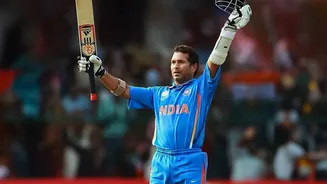



He is the ‘God of Cricket’, a master technician whose brain holds unparalleled knowledge of the game. So why isn’t Sachin Tendulkar a full-time coach? It’s a question cricket fans have often pondered. The answer is a mix of choice, philosophy, and priority.
The Mentor vs The Coach
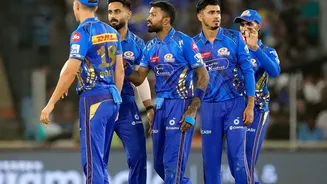
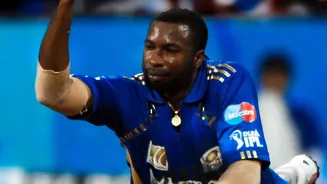
First, it's crucial to distinguish between a full-time coach and the role Tendulkar currently occupies. He is not entirely detached from the dressing room; he serves as the 'Icon' for the Mumbai Indians (MI) in the Indian Premier League. This position allows him to act as a mentor, sharing his vast experience with players on a part-time basis without the all-encompassing responsibilities of a head coach. A head coach is involved in everything from daily training drills to team selection and strategy meetings. Tendulkar’s role is more advisory. He offers guidance when needed but is not involved in the day-to-day management or decision-making processes of the team. This arrangement allows him to contribute his knowledge without the immense pressure and time commitment that a formal coaching job demands.
A Unique Coaching Philosophy
Tendulkar’s own experience with his childhood coach, Ramakant Achrekar, profoundly shaped his views on coaching. He often speaks about how Achrekar sir taught him to be a 'street-smart' player and built his temperament through countless practice matches. Tendulkar believes in allowing a player's natural talent to flourish rather than imposing a rigid technical framework. In his own words, a coach must 'move with times' and understand that being technically correct all the time isn't the only path to success. This philosophy clashes with the often-prescriptive nature of modern high-performance coaching. There's a sense that a genius like Tendulkar, whose game was a blend of sublime talent and relentless practice, might find it difficult to coach players who do not possess his innate gifts. It's a classic dilemma: the greatest players don't always make the best coaches because their own abilities can seem intuitive and hard to teach.
The Weight of Expectation and Personal Priorities
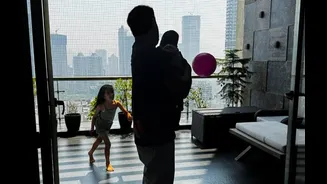
Being 'Coach Sachin' would come with an unbearable weight of expectation. Any team he coached would be under immense scrutiny, and every decision would be endlessly dissected by fans and media. After 24 years of carrying the hopes of a billion people on the field, it is understandable that he would not seek out a role that invites similar pressure. Furthermore, upon his retirement, Tendulkar made it clear that he wanted to dedicate more time to his family, particularly his children, Sara and Arjun. Having spent most of his life traveling for cricket, a full-time coaching gig, which involves just as much travel, would go against this personal commitment. His focus on his son Arjun's cricketing career is also a significant factor; he prefers to be a supportive father rather than a formal coach to him or his team.
A Second Innings in Business
Beyond the boundary rope, Tendulkar has cultivated a thriving second career as an entrepreneur and investor. Long before his retirement, he ventured into the restaurant business. Since then, his portfolio has expanded significantly. He has launched his own apparel brand, 'True Blue', in partnership with Arvind Fashion Brands, and invested in a range of companies spanning technology, sports simulation, and digital entertainment. He has backed ventures like the sports simulation company Smaaash, the digital entertainment firm JetSynthesys, and even launched a mobile phone brand. These business interests, along with numerous brand endorsements and philanthropic activities, demand a considerable amount of his time and focus, making a full-time coaching role impractical.