

The End of the 'Use Once' Mindset
The era of buying an outfit for a single event and letting it gather dust is slowly fading. Indian consumers are increasingly embracing 'repeat-wear dressing', a conscious decision to invest in high-quality, versatile pieces that can be worn multiple
times in multiple ways. This isn't about restriction; it's about freedom. Freedom from the pressure of constant newness, the financial strain of endless shopping, and the environmental guilt associated with fast fashion. As awareness grows about the textile waste crisis, where tons of garments end up in landfills, shoppers are seeking a more sustainable path. The mindset is shifting from 'cost per item' to 'cost per wear', making a well-made ₹3,000 kurta worn ten times a smarter buy than a ₹1,000 top worn once.
A Modern Return to Indian Tradition
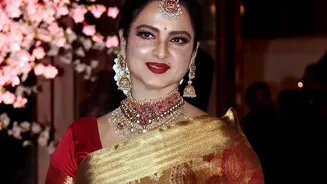
While 'slow fashion' might feel like a modern buzzword, its principles are deeply woven into India's cultural fabric. For generations, Indians have valued textiles not as disposable goods but as heirlooms and assets. Think of handloom sarees passed down from mother to daughter or the art of khadi, a fabric intended for longevity. Today's repeat-wear trend is a contemporary return to these roots. It’s about appreciating craftsmanship, whether in a hand-block printed cotton dress that softens with every wash or a beautifully tailored jacket. This approach reconnects consumers with the intrinsic value of their clothes, honouring the skill and resources that went into making them.
How to Build a Repeat-Ready Wardrobe
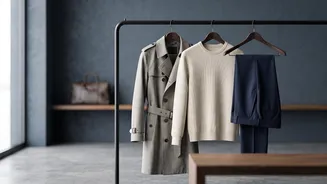
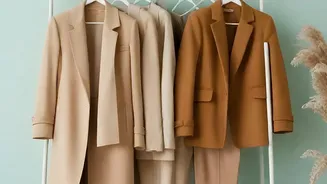
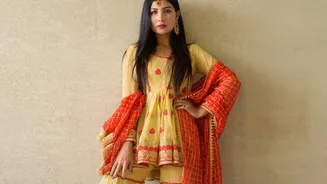
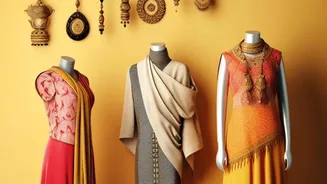
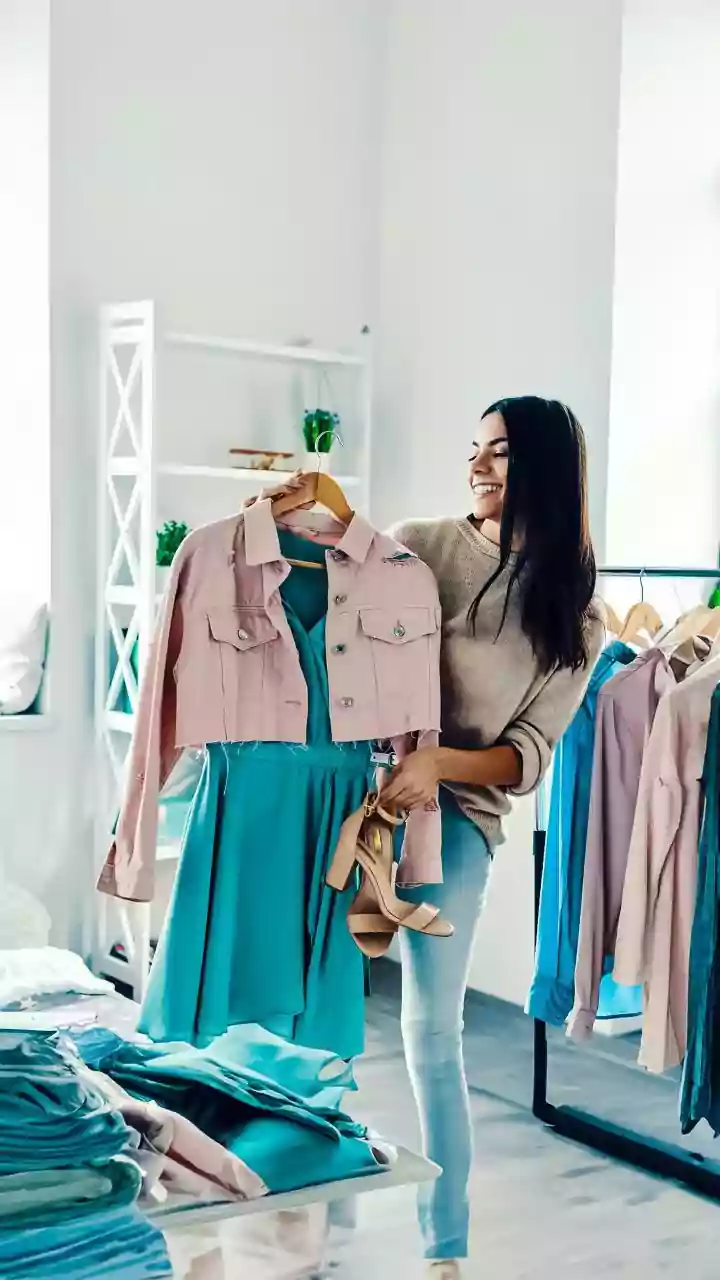
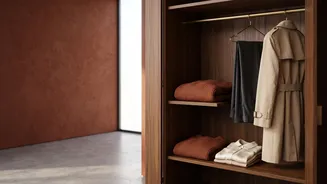
Creating a flexible wardrobe doesn't require a complete overhaul. It starts with a few strategic choices. First, focus on versatile foundations in neutral colours that can be easily mixed and matched. A well-fitting white kurta, a pair of tailored trousers, or a classic blue jean can be the base for dozens of outfits. Second, invest in quality over quantity. Better fabrics and construction mean garments hold their shape and appeal for years, not just a few washes. Finally, learn the art of restyling. The same ethnic suit can look entirely different by swapping a heavy Banarasi dupatta for a light chiffon scarf, changing the bottoms from a churidar to a palazzo, or adding a belt to create a new silhouette.
Celebrities Make Repeating Outfits Chic
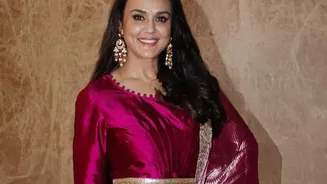
One of the biggest drivers normalising outfit repeating in India is the celebrity influence. When stars like Alia Bhatt re-wear their wedding saree to accept a National Award or Deepika Padukone styles the same classic pieces for different events, it sends a powerful message. Actresses such as Sara Ali Khan and Janhvi Kapoor have openly championed the practice, dispelling the old taboo that public figures need a new outfit for every appearance. Their choices make sustainability aspirational, proving that true style lies in confidence and creativity, not in a constantly churning wardrobe. By proudly rewearing their favourite ensembles, they give millions of followers the confidence to do the same.