





From Kitchen Scrap to Viral Sensation
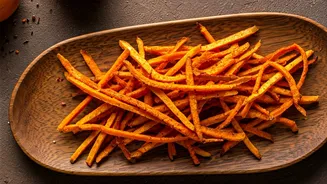
In an age of rising grocery costs and a growing awareness of food waste, a brilliantly simple idea has taken hold across social media platforms: turning vegetable peels into crispy, chip-like snacks. What was once destined for the bin is now being celebrated
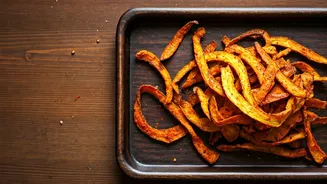
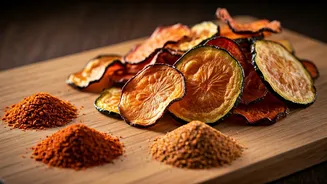
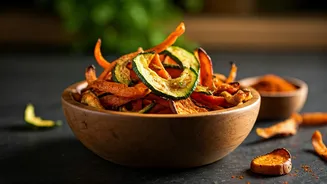
as a clever culinary hack. This isn't just about frugality; it's a perfect storm of sustainability, health-consciousness, and the endless search for a satisfying crunch. The trend’s appeal is obvious. It costs virtually nothing, utilizes the entirety of the vegetable, and offers a healthier alternative to heavily processed potato chips. For home cooks, it’s a guilt-free win. You get to reduce your environmental footprint while creating a bespoke snack seasoned exactly to your liking. Videos showcasing heaps of golden-brown peels being tossed with spices and glistening with oil have racked up millions of views, inspiring countless people to reconsider what they classify as 'trash.'
The Science of the Snap
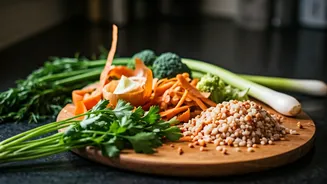
Not all peels are created equal. The undeniable star of this trend is the potato peel. Rich in starch and thin enough to crisp up beautifully, potato skins have long been a beloved component of roasted or fried potatoes. Isolating them simply concentrates the effect. When tossed with a bit of oil and exposed to high heat in an oven or air fryer, the moisture evaporates rapidly and the starches fry, resulting in a shatteringly crisp texture. Following closely behind are peels from other starchy root vegetables like sweet potatoes, parsnips, and carrots. Carrots offer a slightly sweeter note, while parsnips bring a nutty, earthy flavor. The key is a relatively low water content and a sturdy structure. These peels hold up to heat and seasoning, transforming from limp scraps into an addictive, flavorful snack that rivals their store-bought counterparts.
Your Step-by-Step Guide to Crispy Peels
Ready to try it yourself? The process is incredibly simple and requires minimal effort. The two most popular methods are using an air fryer for speed and supreme crispiness, or a conventional oven for larger batches. 1. **Wash and Scrub:** This is the most important step. Because you're eating the outermost layer, you need to clean it thoroughly. Vigorously scrub your vegetables under running water with a stiff brush to remove any dirt, debris, or pesticide residue. Opting for organic produce can provide extra peace of mind. 2. **Peel and Dry:** Peel your vegetables as you normally would. The crucial next step is to get the peels as dry as possible. Pat them thoroughly with a clean kitchen towel or paper towels. Excess moisture will steam the peels instead of crisping them, leaving you with a soggy result. 3. **Oil and Season:** In a bowl, toss the dry peels with a light coating of a high-heat oil, like avocado, grapeseed, or a light olive oil. Don’t drench them; a teaspoon or two is usually enough for a large batch. Now, season generously. Start with salt and pepper, then get creative. Smoked paprika, garlic powder, onion powder, chili powder, or even a sprinkle of Parmesan cheese are all fantastic additions. 4. **Cook Hot and Fast:** * **Air Fryer Method:** Preheat your air fryer to 380-400°F. Place the seasoned peels in the basket in a single layer, ensuring they aren’t overcrowded. Cook for 5-8 minutes, shaking the basket halfway through, until they are golden brown and crispy. They cook fast, so keep a close eye on them. * **Oven Method:** Preheat your oven to 400-425°F. Spread the peels in a single, even layer on a baking sheet. Roast for 10-15 minutes, flipping them once, until they are crispy and lightly browned at the edges.
Pro Tips and Peels to Avoid
To guarantee success, keep a few pointers in mind. First, don't overcrowd the air fryer basket or baking sheet. Giving the peels space allows hot air to circulate, which is essential for achieving that perfect crunch. Second, remember that they will crisp up even more as they cool, so it's better to pull them from the heat when they are lightly golden rather than deeply brown, which can taste bitter. While potato, sweet potato, and carrot peels are champions, some peels are best left in the compost. Avoid using peels from vegetables that have been waxed, like many cucumbers found in U.S. supermarkets. Peels from the onion family (onions, garlic) are too thin and papery, and will burn almost instantly. Similarly, the tough, bitter skins of vegetables like eggplant, some winter squashes, or citrus fruits are not well-suited for this preparation. Stick to the starchy root vegetables for the most reliable and delicious results.