





1. Defend Your Wardrobe
The monsoon’s number one victim is often your closet. High humidity can lead to fungal growth and a persistent musty smell on clothes, leather goods, and shoes. Start by taking everything out. Segregate clothes you won’t wear during the monsoon (like
heavy woollens or sun-dresses) and store them in vacuum-sealed bags. For the items that remain, ensure there’s space for air to circulate. Don't overstuff drawers or hang clothes too tightly together. Place silica gel packets, camphor balls (kapur), or dried neem leaves in corners of the wardrobe to absorb moisture and repel insects. This is also the perfect time to discard any clothing you haven't worn in a year.
2. The Kitchen and Pantry Purge
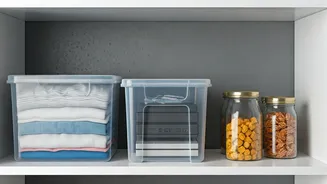
Humidity turns a kitchen into a breeding ground for pests and mould. Go through your pantry and inspect all dry goods. Spices, flours, and grains can clump together or become infested with weevils. Transfer them to airtight glass or steel containers. Discard any open packets of snacks that have gone soft. Check expiry dates on sauces and condiments. Wipe down all shelves with a vinegar-water solution before putting things back. Pay special attention to the area under the sink, which can become a hotspot for dampness and pests. A clean, organised kitchen makes cooking during the rains a pleasure, not a chore.
3. Reclaim Your Living Spaces
You’ll be spending more time indoors, so make your living areas functional and airy. Decluttering here is about creating breathing room. Clear off surfaces like coffee tables and sideboards, leaving only a few essential or decorative items. Pack away heavy rugs and carpets which can trap moisture, feel damp, and are difficult to clean during the rains. Instead, opt for lighter dhurries or just enjoy the bare floor. Also, try to pull furniture a few inches away from external walls. This small gap improves air circulation and helps prevent dampness and mould from forming on both your walls and your furniture.
4. Fortify Your Entryway and Balcony
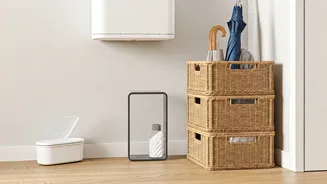
Your entryway is the first line of defence against the monsoon mess. Create a designated 'wet zone' here. Put down a highly absorbent doormat (coir is excellent) and have a stand for wet umbrellas. A simple shoe rack or tray for damp footwear will prevent muddy water from being tracked all over the house. On your balcony, clear out any clogged drains to prevent water logging. Store away any furniture, cushions, or decor items that can be damaged by rain. A clear balcony can be a wonderful place to enjoy the rain from, but only if it's not cluttered with water-damaged belongings.
5. Protect Your Papers and Books
Paper is a magnet for moisture. The high humidity can cause books to warp, pages to stick together, and important documents to develop mildew. This is the season when silverfish thrive. Go through your bookshelves and identify any valuable or sentimental books that need extra protection. You can wrap them in plastic or store them in a sealed box with silica gel packets. Scan important documents and save digital copies to the cloud. Get rid of old newspapers, magazines, and bills that you no longer need. Not only does this reduce clutter, it also eliminates hiding spots for insects.
6. The Monsoon Medicine Cabinet
Finally, a decluttering effort that's about health and safety. The monsoon season often brings a spike in illnesses like the common cold, flu, and digestive issues. Check your medicine cabinet for expired medicines and dispose of them safely. Restock on essentials: paracetamol, antihistamines for allergies, antiseptic liquid, bandages, and a good oral rehydration solution (ORS). Having these items on hand means you’re prepared and can avoid a last-minute dash to the pharmacy in the pouring rain. A well-organised first-aid kit is a non-negotiable for a worry-free monsoon.