



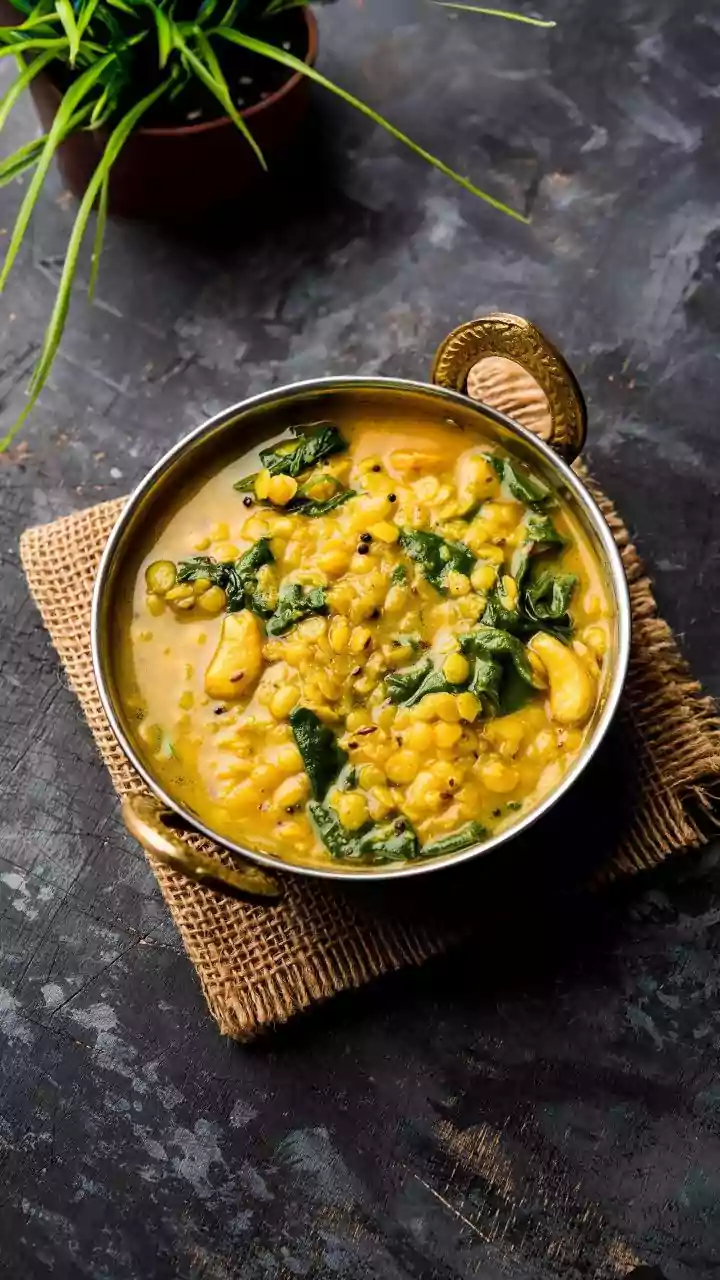




Have you ever noticed how a warm meal feels more satisfying than a cold one? This comforting feeling goes deeper than just taste. The temperature of your food plays a subtle yet significant role in your digestive health, right from the very first step.
The Stomach's Guardian: Understanding Hydrochloric Acid
Before we talk about temperature, let’s focus on the star player in your stomach: hydrochloric acid (HCl). This powerful substance is a cornerstone of digestion. Its primary jobs are to break down proteins into smaller, more absorbable components and to act as a crucial line of defence. The highly acidic environment of the stomach, with a pH typically between 1.5 and 3.5, neutralises harmful bacteria, viruses, and other pathogens that enter your body with food. This protective barrier is essential for preventing infections and maintaining overall gut health. Without sufficient HCl, protein digestion is inefficient, and the first line of microbial defence is weakened.
The Warmth Connection: Easing the Digestive Burden
So, where does food temperature fit in? Think of your digestive system as a fire, an analogy often used in traditional wellness philosophies like Ayurveda. This 'digestive fire' needs to be strong to 'cook' the food you eat. Consuming cold foods and drinks requires your body to expend extra energy just to bring them up to your core body temperature of around 37°C, which is the optimal temperature for your digestive enzymes to function. This can be likened to throwing cold water on your digestive fire. Conversely, warm food is already closer to your body's temperature, meaning your system doesn't have to work as hard. This conserves energy and allows your digestive processes, including the secretion and function of enzymes, to proceed more efficiently. This doesn't mean cold food is inherently bad, but it does mean your body has to put in more effort to process it.
Creating a Healthy Environment for Gut Bacteria
The headline's claim that HCl is necessary for gut bacterial growth can be slightly confusing. After all, the stomach's acid is designed to kill bacteria. The key is understanding the journey food takes. The stomach acts as an ecological filter. Its job is to sterilise the food before it reaches the intestines, which is where the vast majority of your beneficial gut bacteria reside. Proper stomach acidity ensures that fewer harmful bacteria survive the trip to the intestines. When stomach acid is low, more opportunistic microbes can pass through, potentially leading to an imbalance known as dysbiosis, where harmful bacteria may outnumber the good. Therefore, by supporting a healthy, acidic stomach environment, you are not directly 'feeding' good bacteria, but rather creating a safer and more balanced downstream environment in the intestines where they can thrive without being crowded out by pathogens.
Lessons from Traditional Wisdom
The idea of prioritising warm foods for better health is not new. Both Ayurveda and Traditional Chinese Medicine (TCM) have advocated for this for centuries. In Ayurveda, digestion is seen as 'Agni' or a fire, and cold foods are believed to weaken it, leading to the formation of 'Ama' or digestive toxins. Similarly, TCM describes the digestive system as a 'Middle Burner' or a cooking pot that functions best with warmth. Raw and cold foods are thought to dampen this fire, hindering the body's ability to extract nutrients efficiently. These ancient practices understood intuitively what modern science is beginning to explain: that warm, cooked foods are generally easier for the body to process and absorb.
Simple Ways to Warm Up Your Diet
Incorporating more warmth into your diet doesn't require a complete overhaul. Small, simple changes can make a noticeable difference. Start your day with a warm breakfast like oatmeal or eggs instead of a cold smoothie. Opt for soups, stews, and roasted vegetables, especially during colder months. Even drinking beverages at room temperature or warm, such as herbal tea, can be less of a shock to your system than ice-cold drinks. Adding warming spices like ginger, cinnamon, and turmeric can also support circulation and digestive secretions, making meals both comforting and easier to handle. The goal isn't to eliminate cold foods entirely but to find a balance that supports your body’s digestive energy.