




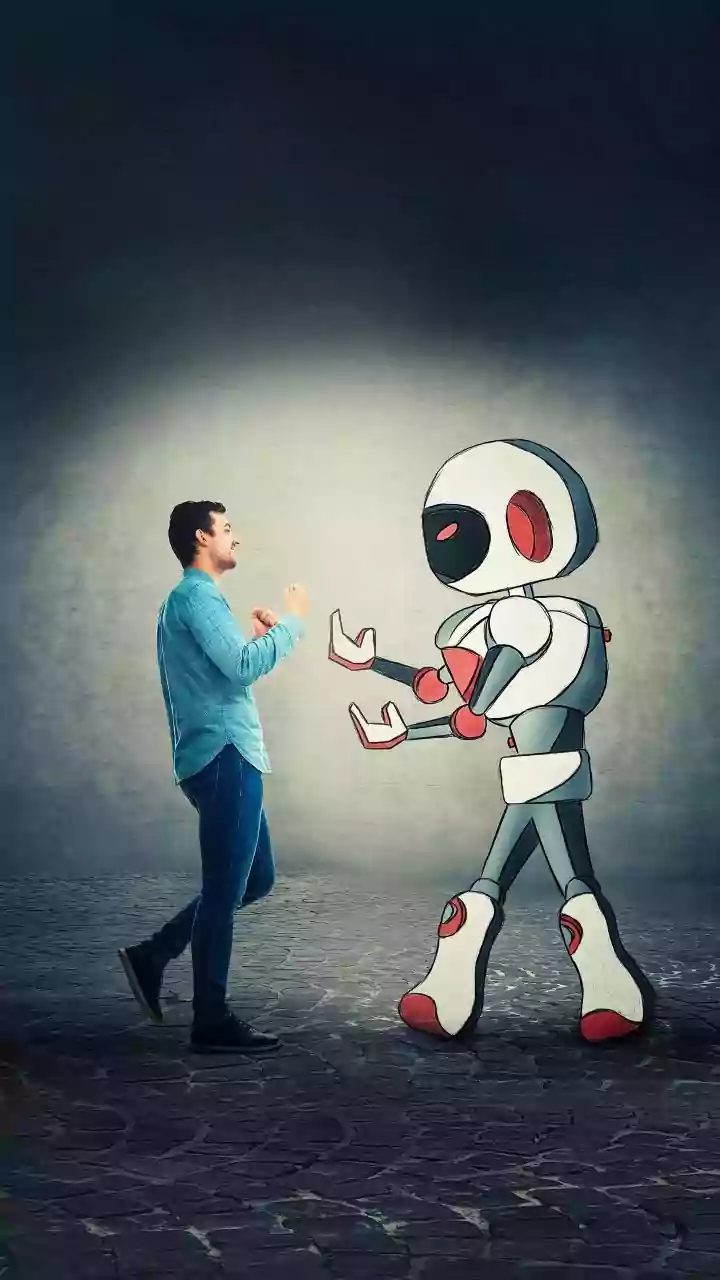



The Rise of the Algorithmic Guru
By 2026, AI wellness coaching has moved from a niche curiosity to a mainstream tool. These platforms, often integrated with wearable devices like smartwatches and rings, synthesize your biometric data—sleep quality, heart rate variability, daily activity—to
offer seemingly personalized health guidance. The appeal is obvious: it's affordable, always available, and promises to make sense of the flood of data our bodies produce. Instead of generic advice from a website, the AI coach 'learns' your patterns, offering suggestions for workouts, stress management techniques, or reminders to hydrate. For many, it's a powerful tool for building healthier habits and gaining insights into their own behaviour.
Personalisation or Just Patterns?
The core promise of these AI coaches is hyper-personalization. Unlike a one-size-fits-all diet plan, the AI can see that your sleep suffers when you eat late or that your stress levels spike on certain days, and then tailor its recommendations accordingly. This data-driven approach can be more effective than broad advice, helping users stick to their goals. The technology leverages machine learning and natural language processing to create a conversational experience that can feel supportive and encouraging. In theory, this makes wellness more accessible, shifting the focus from reacting to problems to proactively managing your health based on your unique lifestyle and biological data.
The Limits of the Machine
However, the 'personalization' offered by AI is not the same as human understanding. AI models are trained on vast datasets, and their advice can be biased, inaccurate, or dangerously generic if they lack proper context. An AI might not understand the nuances of an eating disorder, a complex medical history, or a sudden life crisis. It can't read body language or tone of voice to detect distress. Studies have shown that AI can get medical questions wrong and may even reinforce harmful stigma around certain conditions. Without a human check, a user could receive advice that is inappropriate or even harmful, mistaking a confident-sounding algorithm for a clinical expert.
The Irreplaceable Human Element
The rise of AI doesn't make human coaches obsolete; it makes their uniquely human skills more valuable than ever. While an AI can track data and provide prompts, it cannot provide true empathy, accountability, or the wisdom that comes from lived experience. A human coach can help a client explore the 'why' behind their habits, navigate emotional roadblocks, and co-create a plan that fits the messy reality of their life—not just what the data says. The role of the human expert is shifting from being a dispenser of information (a task AI can handle) to a trusted partner in sense-making and motivation. They provide the critical oversight needed to interpret AI-driven recommendations safely and effectively, ensuring the advice serves the person, not just the pattern.