





Check Your Tyres: The First Rule of Wet Roads
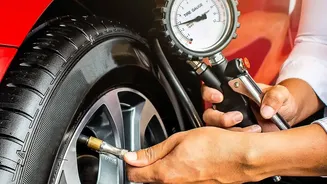
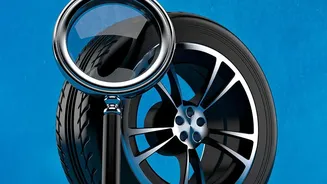
Your tyres are the only part of the car in contact with the road, making them critical for monsoon safety. On wet surfaces, worn tyres significantly increase the risk of hydroplaning or skidding. Before you leave, check the tread depth. An easy way is to
use a one-rupee coin; if the top of the Ashoka Pillar is visible when inserted into the tread, it's time for a replacement. Ensure your tyres have at least 2-3mm of tread for effective water dispersal. Also, check the tyre pressure, including the spare. Incorrect pressure affects grip and braking performance, both of which are crucial in the rain.
Test Wipers and Washer Fluid for Clear Vision
Visibility is the biggest challenge during a downpour. Wiper blades that are cracked from the summer heat will only smear water across the windshield, making things worse. Test them with washer fluid; if they leave streaks or make a squeaking noise, replace them immediately. It's an inexpensive fix that makes a world of difference. While you're at it, top up the windshield washer reservoir with a proper cleaning solution, not just plain water, to effectively clear away oily grime and mud spray.
Inspect Brakes for Stopping Power
Braking distance can increase by up to three times on wet roads. Brakes that feel adequate in dry conditions might not be effective enough when you need them most in the rain. Listen for any squealing sounds or vibrations when you brake, as these are signs that your brake pads may be worn out. It's also wise to have your brake fluid checked, as old fluid can absorb moisture and become less effective. After driving through a waterlogged patch, gently tap your brakes a few times to dry them out and restore performance.
Ensure All Lights Are Working
In heavy rain and overcast conditions, being visible to other drivers is just as important as your own visibility. Do a quick walk-around of your car and check that all your lights are functional: headlights, tail lights, brake lights, and indicators. Hazy or dim headlamp covers can be cleaned to improve brightness. Properly functioning lights are non-negotiable for communicating your intentions and presence to other vehicles on the road during low-visibility conditions.
Verify the Battery and Electricals
The monsoon puts extra strain on your car's battery due to the increased use of wipers, lights, and the defogger. Water and electronics are not a good mix, so a visual inspection for any exposed or frayed wiring is a must to prevent short circuits. If your battery is more than three years old, it's a good idea to have it professionally tested. Check for any corrosion on the terminals and ensure the clamps are tight to prevent issues on the road.
Test Your AC and Defogger
A common monsoon problem is the windscreen fogging up from the inside due to high humidity. Your air conditioning system is your primary tool for combating this. The AC removes moisture from the cabin air, quickly clearing the glass. Before your trip, test your AC to ensure it’s cooling effectively. Also, check that the front and rear defoggers are working properly. A clear windshield is essential for safe driving, and you don't want to be wiping it with a cloth every few minutes.
Pack a Monsoon Emergency Kit
Even with the best preparation, unexpected situations can arise. A well-stocked emergency kit is your backup plan. Include items like a tow strap, jumper cables, a powerful torch with extra batteries, and a first-aid kit. Adding a few microfibre cloths for wiping down foggy windows, an umbrella, and a raincoat is also a smart move. Having these essentials on hand can turn a potential trip-ruining event into a minor inconvenience.