
Venus: The Dazzling Evening Star
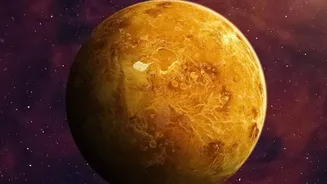
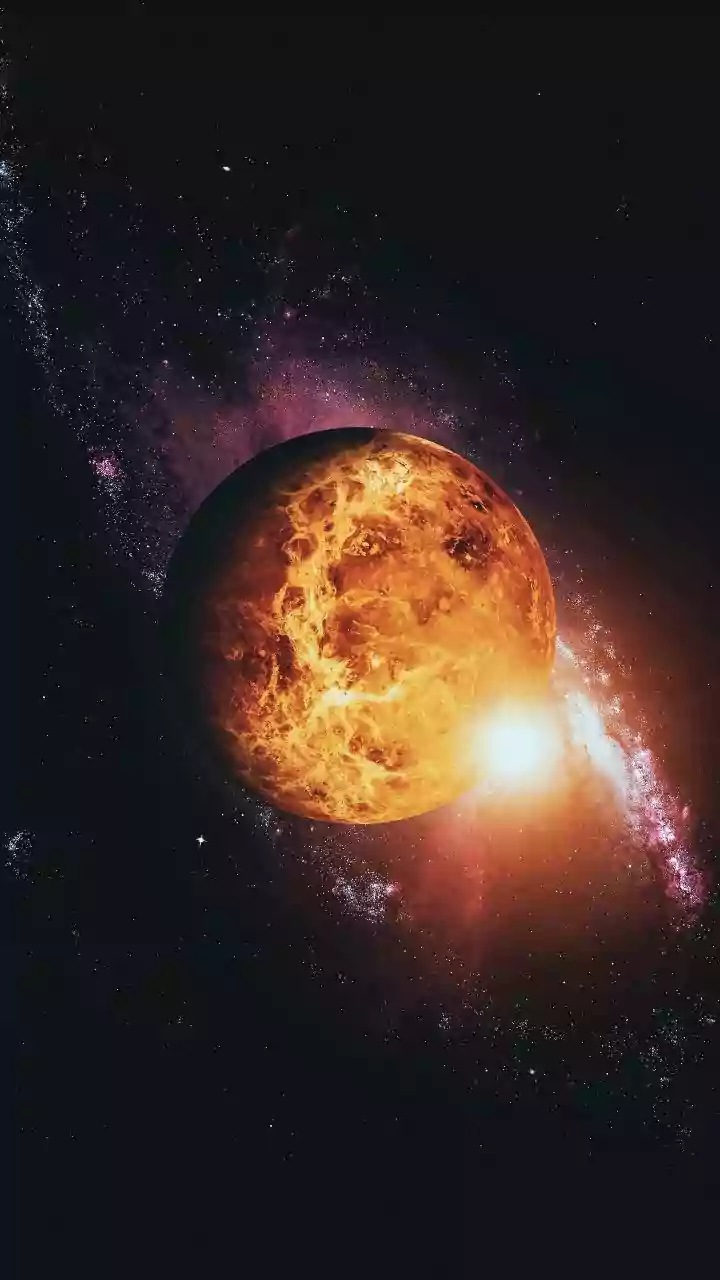
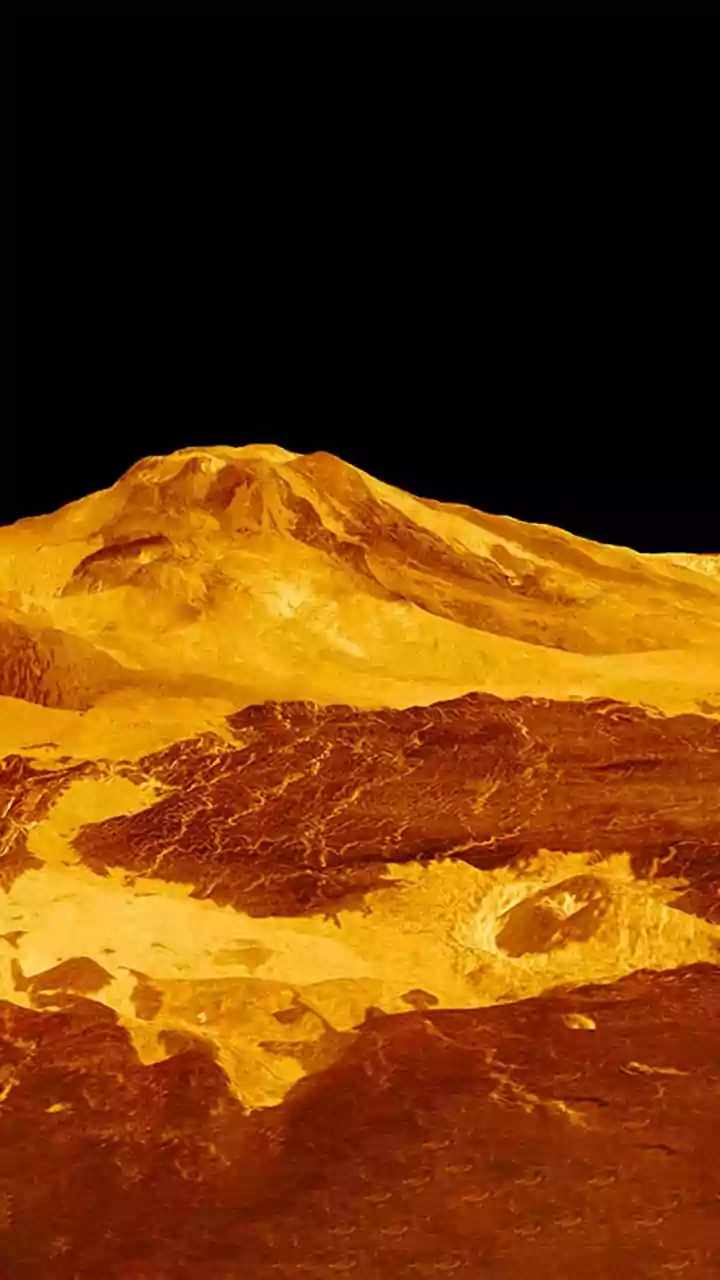
Throughout September, the most brilliant object in the evening sky (besides the Moon) will be the planet Venus. Look to the west just after sunset, and you can’t miss its intense, steady light. Venus reaches its peak brightness for the year this month,
shining at a dazzling magnitude of -4.8 around September 18 and 22. It will be so bright that it can be spotted even from light-polluted cities and may be visible before the sky is completely dark. This peak brilliance happens because Venus is getting closer to Earth in its orbit while still showing us a significant portion of its sunlit side. Keep an eye out on September 14, when a lovely crescent Moon will appear near Venus, creating a beautiful pairing in the twilight sky.
Antares: The Heart of the Scorpion
While Venus commands the western sky, look towards the south and southwest to find Antares, the brightest star in the constellation Scorpius. Its name means "rival of Mars" due to its distinct reddish hue. Antares is a red supergiant, a colossal star hundreds of times larger than our Sun. In mid-September, you can use the Moon as a guide to find it. On September 16 and 17, the crescent Moon will pass near Antares, making the star easy to identify. This celestial marker serves as the fiery heart of the Scorpion, a prominent constellation of the late summer and early autumn sky. Spotting Antares is a great way to orient yourself with the star patterns of the season.
A Celestial Guide for Mid-September
The week of September 14th through the 20th offers a fantastic opportunity for stargazing, as the Moon guides you across the sky. Start by finding the crescent Moon near the intensely bright Venus in the west on the 14th. As the week progresses, follow the Moon each night as it moves eastward. By September 17, it will be positioned near the red star Antares in the south-southwest. This nightly progression is a wonderful real-time demonstration of the Moon's orbit around the Earth. If you are in a location with very dark skies during this period, you may also be able to see the hazy band of the Milky Way stretching up from the southern horizon, appearing like steam rising from the "Teapot" asterism in the constellation Sagittarius.
Welcoming the Harvest Moon
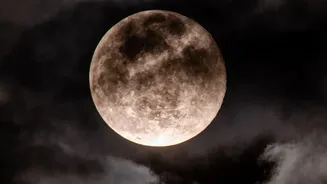
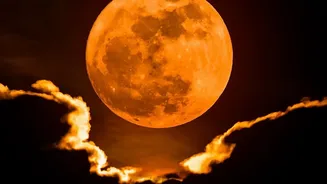
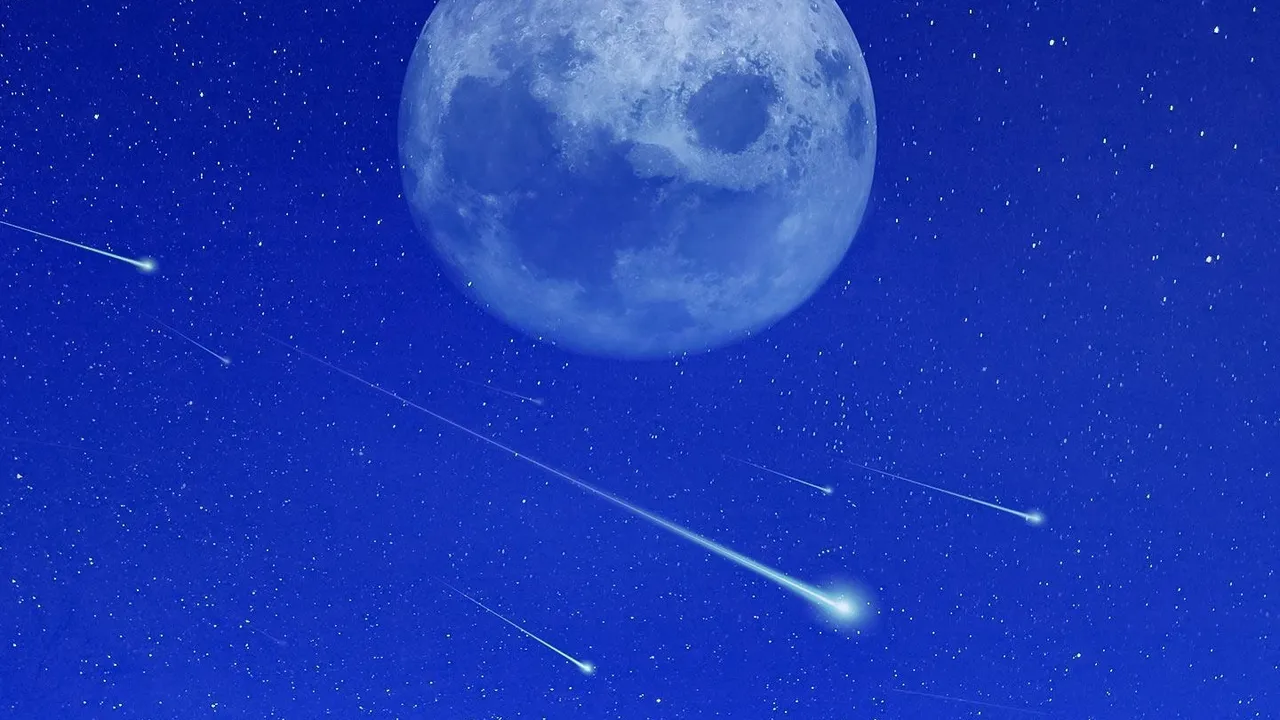
The grand finale of September's sky-watching events is the full Harvest Moon, which will rise on Saturday, September 26, 2026. This isn't just any full moon; the Harvest Moon is the name given to the full moon that occurs closest to the autumnal equinox. The equinox, which marks the official start of autumn in the Northern Hemisphere, falls on September 22 or 23 this year. The name comes from pre-industrial times, when farmers would use the Moon's bright light, rising near sunset for several evenings in a row, to extend their workday and bring in the harvest.
The Science of the Golden Glow
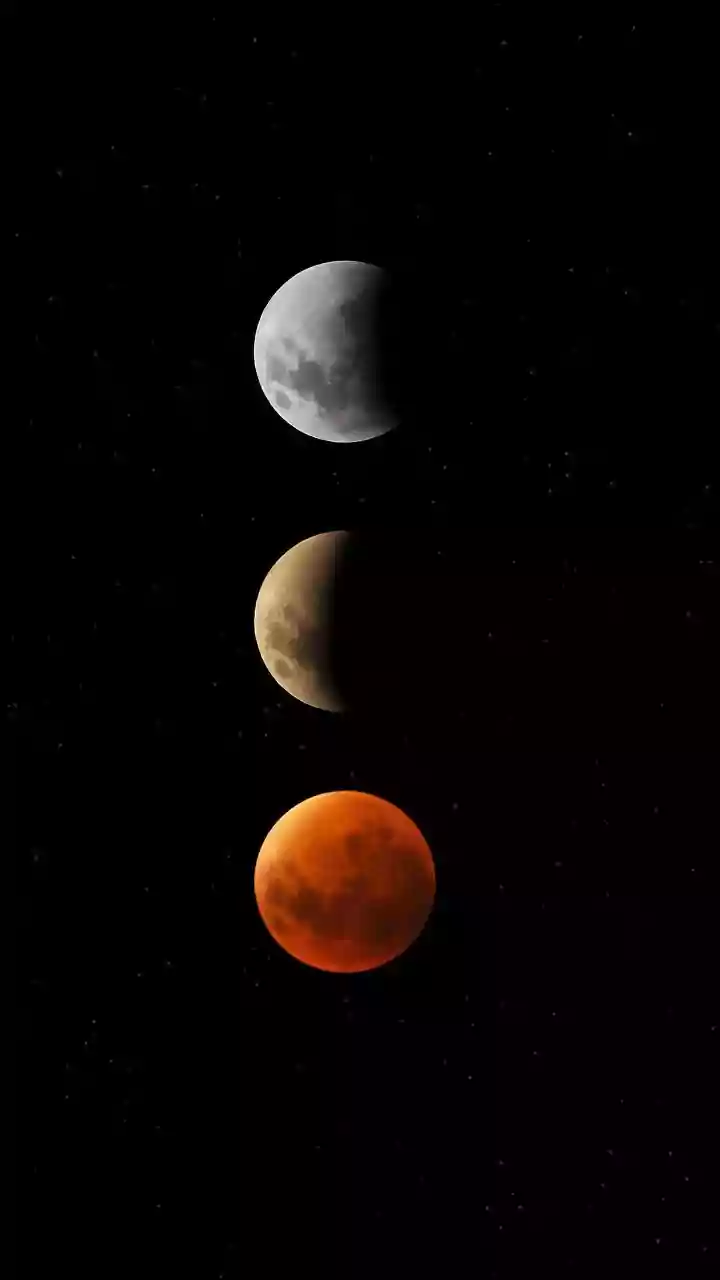
One of the most magical aspects of the Harvest Moon is its appearance. As it rises, it often looks enormous and takes on a beautiful golden-orange or reddish color. This is due to a phenomenon called Rayleigh scattering. When the Moon is low on the horizon, its light must travel through more of Earth's atmosphere to reach our eyes. The atmosphere scatters the shorter, bluer wavelengths of light, allowing the longer, redder wavelengths to pass through, giving the Moon its warm glow. The large size is an optical illusion, known as the Moon Illusion, which makes it seem bigger when viewed near objects on the horizon. This year, the planet Saturn will appear near the Harvest Moon, adding another point of interest to the evening sky.