






The Challenge from Smog and Rain
Our skin and hair are our first line of defense against the environment. When exposed to air pollutants like smog, dust, and soot, this protective barrier can be weakened. Pollutants can clog pores and follicles, generate damaging free radicals that accelerate
aging, and strip away natural moisture, leading to dryness, irritation, and dullness. Similarly, while rain might seem hydrating, high humidity can trap dirt and oil against the skin, potentially leading to breakouts and fungal issues. These environmental challenges make it crucial to have a routine that cleanses, protects, and, most importantly, replenishes lost moisture.
Soothing Skin with Sandalwood and Rose Water
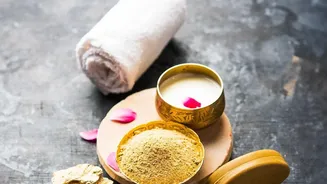
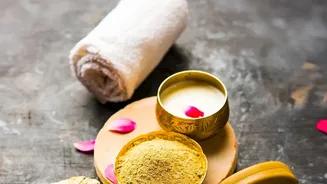
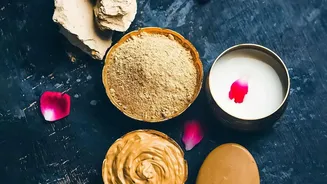
Sandalwood, or 'chandan', is a revered ingredient in Ayurvedic skincare, known for its cooling and anti-inflammatory properties. Rose water is a gentle toner and hydrator that helps balance the skin's pH. Together, they create a simple yet powerful face pack perfect for calming irritated skin and restoring a healthy glow. To prepare, mix one tablespoon of sandalwood powder with enough rose water to form a smooth, thick paste. Apply the pack to a clean face and neck, leaving it on for about 15 minutes before rinsing with cool water. This treatment helps soothe redness and provides a dose of much-needed hydration.
Revitalizing Hair with Amla and Yogurt
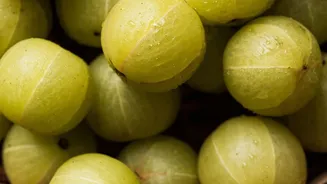
Amla, the Indian gooseberry, is a powerhouse of Vitamin C and antioxidants, celebrated for its ability to strengthen hair from the roots. Yogurt is a fantastic natural conditioner, its lactic acid content helping to soften hair and add shine. This hair mask is excellent for combating dryness and frizz. To make it, combine two tablespoons of amla powder with three tablespoons of plain yogurt, mixing until you have a consistent paste. Apply this mixture thoroughly to your scalp and along the lengths of your hair. Let it sit for 30-45 minutes before washing it out with a mild shampoo for deeply conditioned, stronger hair.
Hydrating with a Turmeric and Besan Ubtan
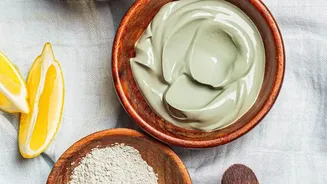
An 'ubtan' is a traditional Indian cleansing paste. This version combines besan (gram flour), a natural exfoliant, with turmeric, known for its antiseptic and brightening properties. It’s a gentle way to remove impurities deposited by pollution without stripping the skin's natural oils. For a hydrating ubtan, mix two tablespoons of besan with a pinch of turmeric. Instead of just water, add milk or yogurt to form the paste; these ingredients provide moisture and nourishment. Gently massage the paste onto damp skin for a minute, then let it sit for 10 minutes before rinsing. Your skin will feel clean, soft, and visibly brighter.
Deep Conditioning with Hibiscus and Aloe Vera
Known as the 'flower of hair care', hibiscus is rich in amino acids that nourish hair, boost shine, and prevent frizz. Aloe vera is a superior hydrator, rich in water and vitamins that soothe the scalp and condition the hair shaft. To create this moisture-rich mask, blend a few fresh hibiscus flowers (or use two tablespoons of hibiscus powder) with two tablespoons of fresh aloe vera gel to form a smooth paste. You can add a tablespoon of coconut oil for extra nourishment. Apply the mask from roots to tips, leave it on for 30 minutes, and then rinse well. This remedy is particularly effective for reviving dry, brittle hair.
The Purifying Power of Neem
Neem is a legendary herb in Ayurveda, famed for its potent antibacterial and purifying properties that are ideal for skin stressed by pollution. It acts as a natural cleanser, helping to remove impurities from pores and soothe irritation. For a simple, effective treatment, create a paste using one tablespoon of neem powder mixed with rose water or a little honey for added moisture. Apply this to the face for 15 minutes before rinsing. Using neem regularly can help keep the skin clear, calm inflammation, and combat the effects of environmental grime.