






The New Age of Hostels
Forget the old image of cramped dorms and backpackers. Hostels in Rishikesh have transformed into dynamic co-living spaces designed for the modern professional. They now offer a compelling package: a place to sleep, a community to engage with, and a reliable
space to work. Many have carved out dedicated work areas or have rooftop cafes with stunning mountain views, quiet corners, and plenty of charging points. This evolution caters directly to the growing tribe of digital nomads and 'workationers' who need more than just a bed. Hostels like The Hosteller, goSTOPS, and Skyard Hostel are leading this charge, understanding that their guests are often balancing deadlines with a desire for adventure and connection.
Connectivity in the Himalayas
A common concern for anyone planning to work from the mountains is the reliability of internet access. Just a few years ago, stable Wi-Fi was a luxury. Today, it’s a standard amenity. To attract the digital nomad crowd, many Rishikesh hostels have invested in high-speed fibre optic internet connections and provide power backups to ensure an uninterrupted workflow. While connectivity across the entire town can still have its moments, prominent hostels in areas like Tapovan and near Laxman Jhula ensure their Wi-Fi is strong enough for video calls, uploads, and all the demands of a remote job. For extra security, many long-stay visitors also carry a local SIM like Jio or Airtel for mobile data backup.
More Than a Room: Curated Community
What truly sets the Rishikesh hostel experience apart is the emphasis on community. These spaces are designed to foster connection among like-minded travellers and remote workers. The monthly fee often includes access to a calendar of social events. Mornings might start with group yoga or meditation sessions. Afternoons can be for skill-sharing workshops or local market tours. Evenings come alive with live music, bonfire nights, movie screenings, and communal dinners. This built-in social life is a major draw, solving the isolation that can sometimes come with remote work and making it easy to meet new people and explore the area together.
Making the ₹20,000 Budget Work
The sub-₹20,000 monthly price tag is a significant hook, and it is achievable, though it requires some planning. This budget typically covers a bed in a non-AC dorm for a 30-day stay. Some hostels offer weekly or monthly packages that provide a better rate than booking nightly. For example, a dorm bed can range from ₹400 to ₹800 per night, so a monthly booking often brings substantial savings. While this fee usually includes Wi-Fi and access to community events, food is often extra. However, many hostels feature communal kitchens, allowing residents to cook their own meals and keep food costs low. For those who prefer to eat out, the abundance of affordable local cafes means you can get a hearty meal for just over ₹100.
Finding Your Hub: Top Hostels to Consider
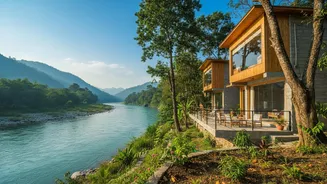
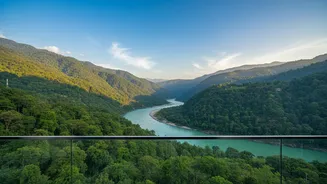
Several hostels have built a strong reputation for balancing work, community, and affordability. Skyard Hostel is often highlighted for its scenic rooftop cafe with Ganga views, dedicated workspaces, and a roster of activities from hiking to bonfire nights. The Hosteller, with multiple locations in Rishikesh, is known for its vibrant atmosphere, clean facilities, and well-organized community events. Its Ganges-facing property is particularly popular. GoSTOPS offers colourful, spacious common areas and a friendly environment, making it another excellent choice for long-term stays. They often provide discounts for monthly bookings. Other notable names include Joey's Hostel, known for its great social vibe, and Bunk Stay, which specifically caters to digital nomads with a strong internet connection. It's always best to check their latest long-stay packages directly.