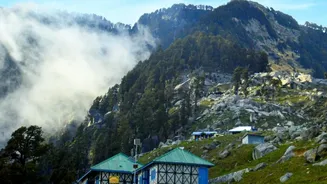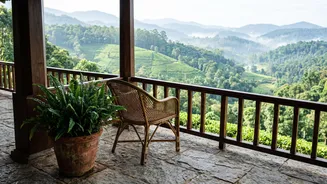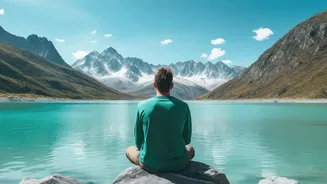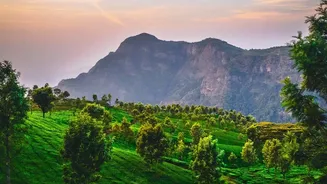





The great Indian holiday is getting a makeover. The once-cherished tradition of a single, long annual trip is giving way to a new travel rhythm, led by young Indians who see every long weekend as a chance to explore, unwind, and discover.
The Rise of the 'Micro-Cation'
For a growing
number of young professionals, the idea of waiting a whole year for one big vacation has lost its charm. Instead, they are embracing the 'micro-cation' or 'holiday snacking' mindset, opting for several shorter, more frequent getaways. Reports show a significant majority—as high as seven in ten—now prefer taking multiple short trips over one extended annual holiday. These journeys, typically lasting between two to five days, allow them to recharge without completely disrupting demanding work schedules. The pattern is becoming familiar across India: a public holiday approaches, and suddenly highways are busy and hotels in nearby destinations are fully booked. This isn't a coincidence; it's a fundamental shift in how travel is perceived and consumed.
A Response to Modern Work Culture
One of the biggest drivers of this trend is burnout. With work increasingly spilling into evenings and weekends, many feel they can't completely disconnect for weeks at a time. Studies have highlighted India's demanding workplace culture, with a significant number of employees putting in unpaid overtime. Ironically, the pressure to always be available has made shorter, more regular breaks more valuable. Taking a quick getaway can interrupt the monotony before exhaustion builds, which feels more manageable than waiting months for a single long vacation. The rise of flexible and remote work has also been a major catalyst, giving many professionals the ability to turn a three-day weekend into a four or five-day escape with minimal leave.
The 'Experience Economy' Mindset
There has been a significant psychological shift among younger generations. Many have watched their parents postpone joy and save for a 'someday' that didn't always arrive as planned. This has fostered a desire to seize the moment, prioritising experiences and memory-making over acquiring material possessions. Travel is no longer just about reaching a destination; it's seen as an investment in connection, personal growth, and creating a diverse portfolio of memories. For this generation, travel has become a form of self-expression, with nearly nine in ten young travellers feeling that the way they travel reflects who they are as a person. The goal is to build a rich tapestry of experiences, from adventure and cultural immersion to wellness and simply relaxing.
Smarter Economics and Better Connectivity
Shorter trips also make financial sense. With fewer hotel nights and lower transportation costs, micro-cations are significantly more budget-friendly. This allows travellers to indulge in unique or luxury experiences, like boutique stays, that might be too costly over a longer period. Improved infrastructure, from better highways to the proliferation of low-cost airlines, has also made once-distant destinations more accessible for a quick trip. The rise of budget carriers in India has democratised air travel, making it possible for millions to fly more often. This increased connectivity has put numerous smaller towns and offbeat locations on the map for weekend explorers.
The Social Media Influence
While not the only factor, social media plays a crucial role. Platforms like Instagram and YouTube serve as powerful discovery tools, inspiring travel with bite-sized itineraries and showcasing hidden gems that feel achievable in just two or three days. The desire for varied, share-worthy content aligns perfectly with the micro-cation model. A series of distinct trips to different locales—a misty hill station one month, a coastal town the next—creates a more dynamic and engaging social media presence than a single, two-week holiday. The focus has shifted from 'tick-box tourism' to authentic, experience-led journeys that are worth sharing.