




Our Solar System’s Biggest Prizes
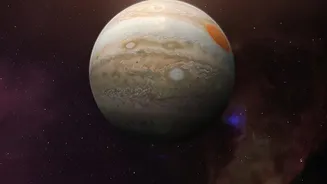
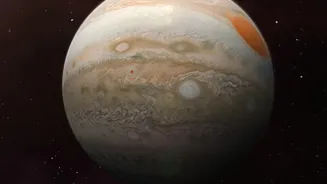
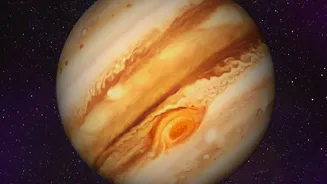
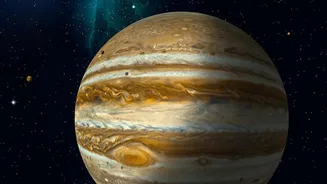
Jupiter and Saturn are the two largest planets in our solar system, and they offer a rewarding experience for any budding astronomer. Jupiter often appears as a brilliant, steady white light, typically outshining every star in the sky. Saturn, while slightly
fainter with a pale-yellow hue, is still easily visible to the naked eye. Unlike stars, which twinkle, planets shine with a constant, unwavering light, making them easier to distinguish once you know what to look for. Spotting these gas giants provides a tangible connection to the vastness of space, a sight that has captivated humanity for millennia. And today, you don't need a powerful telescope to join in; you just need your smartphone.
Your Pocket Planetarium
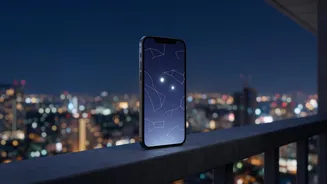
Modern smartphone applications have completely changed the game for amateur stargazers. These apps use your phone's built-in GPS and compass to know exactly where you are and which way you're pointing it. When you hold your phone up to the sky, the app displays a real-time, augmented-reality map of the celestial objects in that direction. It overlays labels on stars, constellations, and, most importantly, planets, taking all the guesswork out of identification. Whether you're in a sprawling park or on a small balcony, these apps can cut through the visual noise and point you directly to your planetary targets.
Top Apps for Planet Hunting
While there are dozens of stargazing apps available, a few stand out for their user-friendly interfaces, making them perfect for beginners. Star Walk 2 is a great all-around choice, praised for its beautiful visuals and easy navigation. SkyView Lite is another excellent and often free option, beloved for its simplicity; you just point and identify. For those who want a bit more detail, Stellarium Mobile offers a very realistic and comprehensive map of the night sky. All these apps are available on both iOS and Android and have free versions that are more than capable of helping you locate Jupiter and Saturn.
A Step-by-Step Guide to Finding Them
Ready to start your search? It’s simpler than you think. First, download your chosen app. Once installed, grant it permission to access your location and camera. Find a spot with the clearest possible view of the night sky. Open the app and point your phone towards the sky. You should see the screen populate with stars and constellations that match your view. Now, use the app’s search function. Type in “Jupiter” or “Saturn.” The app will then display an arrow or guide on your screen. Simply follow the arrow, moving your phone across the sky, until the planet is centered on your screen. You will now be looking in the exact direction of your target.
Tips for Beating the City Glow
Urban stargazing presents the unique challenge of light pollution, which can wash out fainter stars. However, Jupiter and Saturn are so bright that they often punch through the city haze. To improve your chances, find the darkest spot available to you—a park, a rooftop, or even a backyard facing away from streetlights. Turn off the lights in your own home and give your eyes at least 15-20 minutes to adjust to the darkness; this will dramatically increase what you can see. Many apps also feature a red-light “Night Mode,” which helps preserve your night vision while you use your phone. Also, check the weather. A clear, cloudless night is essential for any successful stargazing session.