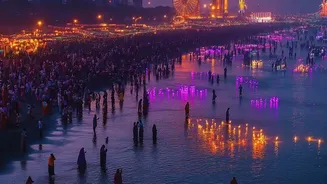

Witnessing millions of diyas illuminate the banks of the Saryu River is a breathtaking experience. As Ayodhya prepares for its grand Deepotsav in 2026, here’s your guide to planning an unforgettable spiritual and cultural journey.
Understanding the Spectacle of Deepotsav
Deepotsav, or the 'festival
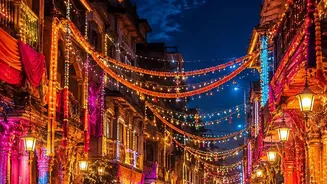
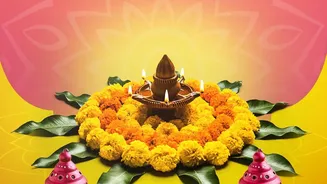
of lamps', is a magnificent event held in Ayodhya to celebrate the homecoming of Lord Ram. Started by the Uttar Pradesh government in 2017, the festival has grown exponentially in scale, creating world records for the largest display of oil lamps. The 2026 edition will mark the tenth anniversary of this grand celebration, promising an even more spectacular display of faith and culture. The core of the festival is the lighting of millions of earthen lamps along the ghats of the Saryu River, particularly at Ram Ki Paidi, turning the entire riverfront into a glittering spectacle. The event symbolizes the victory of light over darkness and good over evil, recreating the joyous atmosphere that was said to have engulfed Ayodhya upon Lord Ram's return.
When to Go: Pinpointing the 2026 Dates
The main day of Diwali in 2026 falls on Sunday, November 8. Deepotsav in Ayodhya is traditionally celebrated on Choti Diwali, the day before the main festival. Therefore, the primary events are expected to take place on Saturday, November 7, 2026. The celebrations, however, often span several days, with cultural programs and processions beginning as early as November 5. To soak in the full festive atmosphere, consider arriving in Ayodhya by November 6. It's crucial to note that while these dates are based on the lunar calendar, the state's tourism department provides the final, official schedule closer to the event, so always confirm before you travel.
The Main Events: What to Expect
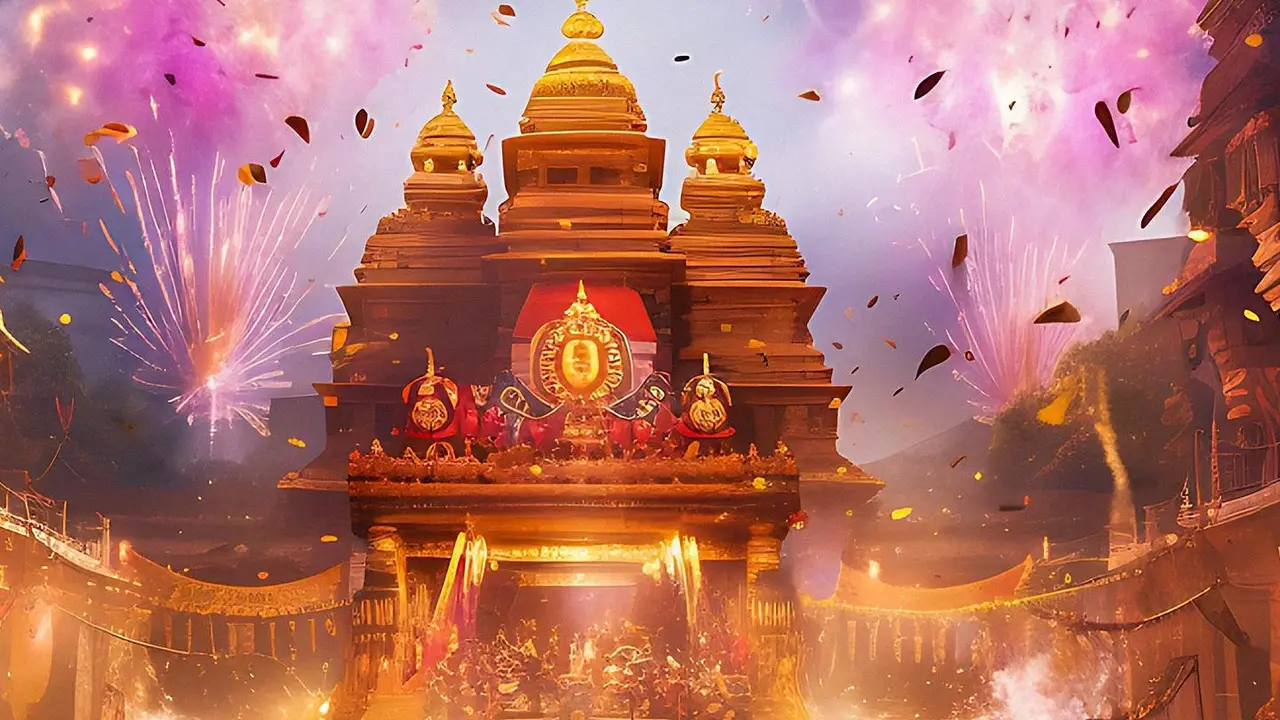
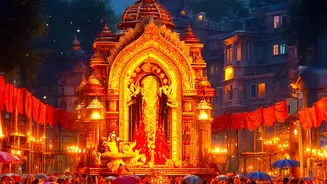
The Deepotsav schedule is packed with vibrant events that bring the stories of the Ramayana to life. The day typically begins with a grand procession, known as a 'shobha yatra,' featuring tableaux depicting various episodes from Lord Ram's life. This is followed by cultural programs at venues like Ram Katha Park. The main event unfolds in the evening at Ram Ki Paidi and the Saryu ghats. It starts with the grand Saryu Aarti, a mesmerizing ritual of worship. As dusk settles, volunteers and devotees begin lighting the millions of diyas. The evening is further enhanced by a Ramayana-themed drone show, laser projections, and green fireworks, creating a truly immersive experience.
Getting to Ayodhya: Your Travel Options
Ayodhya is now more accessible than ever, with multiple travel options available. By Air: The city is served by Maharishi Valmiki International Airport (AYJ), located about 10 km from the city centre. It has direct flights from major Indian cities like Delhi, Mumbai, Bengaluru, and Kolkata. For wider international connectivity, Lucknow's Chaudhary Charan Singh International Airport (LKO) is a convenient alternative, situated about 135 km away. From Lucknow, you can hire a taxi or take a bus to reach Ayodhya in about 2.5 to 3 hours. By Train: Ayodhya is well connected by rail. Ayodhya Dham Junction (AY) and Ayodhya Cantt (AYC) are the two main railway stations, with regular trains from across the country. By Road: An extensive network of national highways connects Ayodhya to major cities. Uttar Pradesh State Road Transport Corporation (UPSRTC) and private operators run frequent bus services from Lucknow, Varanasi, Gorakhpur, and Delhi.
Where to Stay: Booking Your Accommodation
Given the immense popularity of Deepotsav, it is essential to book your accommodation months in advance. Ayodhya offers a wide range of options to suit every budget, from luxury hotels and resorts to budget friendly guesthouses, dharamshalas, and homestays. Several new hotels, including brands like Park Inn by Radisson, have opened recently. For a unique experience, you might consider tented cities that are often set up during major festivals. Areas near the Ram Janmabhoomi Temple, Hanuman Garhi, and the Saryu ghats are popular choices for their proximity to the main attractions, though they can be very crowded.
A Traveller's Checklist : Practical Tips
To ensure a smooth and safe trip , keep these tips in mind . Expect massive crowds , so be prepared for long walks as vehicle movement is often restricted near the main event areas . E - rickshaws are a popular mode of local transport . Dress modestly out of respect for local customs , and wear comfortable footwear that is easy to remove , as it ' s required before entering temples . Carry a government - issued ID , some cash , and any necessary medications . To avoid the biggest crowds for temple darshans , plan your visit to the Ram Mandir and other temples a day before or after the main Deepotsav evening .