






A Shift from Commodity to Craft
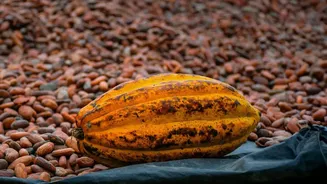
For a long time, the story of Indian chocolate was dominated by mass-produced bars where sugar content was high and the nuances of the cacao bean were an afterthought. India, despite having ideal cacao-growing climates, largely exported its beans as a low-value
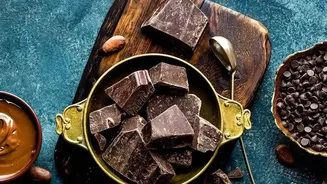
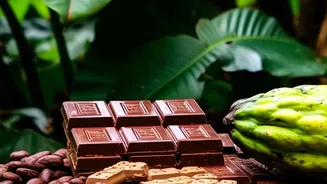
commodity, while connoisseurs sought out bars from Europe. That narrative is finally changing. A growing movement of 'bean-to-bar' chocolate makers is redefining what Indian chocolate can be. This philosophy involves one maker controlling the entire process, from sourcing the cacao beans to crafting the final bar, ensuring quality and transparency at every step. This shift is driven by an increasingly curious Indian consumer who values local products, clean ingredients, and compelling stories.
The Terroir of South India
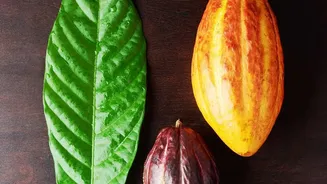
The heart of this revolution lies in the tropical southern states of India—primarily Kerala, Karnataka, Andhra Pradesh, and Tamil Nadu. These regions provide the warm, humid climate necessary for cacao trees to flourish. But it's the concept of 'terroir'—the unique influence of a region's soil, climate, and geography—that makes this cacao special. Often grown as an intercrop alongside coconut, spices, and fruit trees, the cacao beans absorb subtle flavour notes from their surroundings. Cacao from Karnataka might have a nutty or spicy profile, while beans from Kerala are known for being more fruity, with bright, acidic notes of green apple, apricot, and raisin. The hilly, spice-rich district of Idukki in Kerala, in particular, is gaining a reputation for producing beans with a complex flavour profile of spices and dried fruit.
Meet the Artisanal Makers
This focus on local terroir is championed by a passionate group of artisanal chocolatiers. Brands like Soklet, which grows its own cacao in the Anamalai foothills, and Naviluna (formerly Earth Loaf) in Mysore were among the pioneers, focusing exclusively on Indian cacao to showcase its unique qualities. They have been joined by a host of others like Kocoatrait, Paul and Mike, and Mason & Co, each with a mission to prove that Indian cacao can compete on the world stage. These makers work directly with farmers, often paying premium prices for high-quality, well-fermented beans, which is crucial for developing complex flavours. This close collaboration ensures traceability and supports sustainable agricultural practices, a stark contrast to the anonymous commodity market.
An Unapologetically Indian Flavour
What makes this new wave of Indian chocolate truly exciting is its embrace of local identity. Instead of mimicking European styles, makers are creating chocolates that are unapologetically Indian. This includes bars infused with regional ingredients like Gondhoraj lime, longum pepper, and even reinterpretations of traditional sweets like Sakkarai Pongal. Others highlight the specific notes of Indian cacao, like the filter coffee nuances found in some Kerala beans or the spice notes from Karnataka. This celebration of indigenous flavours provides consumers with a taste of India's rich biodiversity in every bite, moving palates away from the uniform sweetness of mass-market chocolates towards a more complex and mindful indulgence.