






Anatomy of Attraction
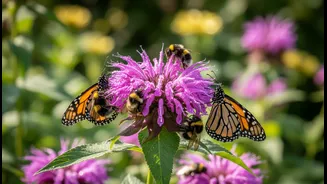
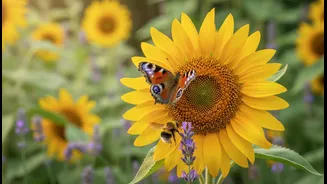
The difference in preference between bees and butterflies comes down to their distinct body shapes and feeding styles. Bees, with their shorter tongues, are drawn to flowers that are more open and shallow. They need a sturdy place to land and easily access
pollen and nectar. Many bee-friendly flowers are blue, purple, yellow, or white. Butterflies, on the other hand, have a long, straw-like proboscis designed for sipping nectar from deep within a flower. They aren't as concerned with pollen and prefer to land on flat-topped, clustered flowers that act as a convenient platform while they drink. They are often attracted to bright colours like red, orange, yellow, and purple.
Best Blooms for Busy Bees
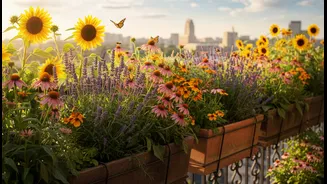
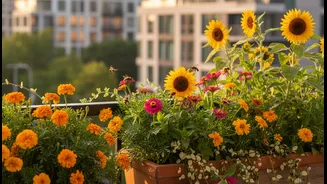
To create a haven for bees, think open and accessible. Flowers with simple, single-petal layouts are ideal. In India, many common garden plants are perfect for attracting these essential pollinators. Sunflowers, with their large, open faces, provide a feast of both nectar and pollen. Marigolds are another excellent choice, widely grown across the country and a reliable source of food for bees. Fragrant plants like Tulsi (Holy Basil) and Lavender are also highly effective, as their sweet scents and nectar-rich blossoms are irresistible to bees. Other great options include the tiny, fragrant flowers of the Neem and Drumstick trees, proving that even trees can play a vital role in supporting local bee populations.
Flowers for Fluttering Butterflies
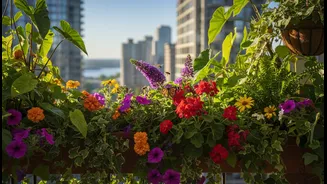
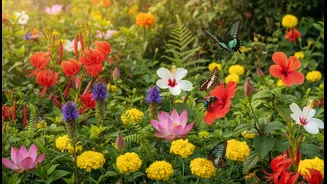
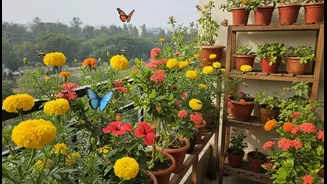
Attracting butterflies requires a different approach. They need flowers that provide a stable landing pad and nectar that is accessible to their long tongues. Clustered flowers like Lantana are a magnet for various butterfly species. Their multiple small blooms allow a butterfly to probe several nectar sources without moving. The tall, vibrant blooms of Zinnia and Cosmos are also butterfly favourites. For a truly butterfly-friendly garden, it's also important to include host plants. These are the plants where butterflies lay their eggs, providing food for the caterpillars. In India, the Curry Leaf tree and various citrus plants are excellent host plants for species like the Common Mormon butterfly, ensuring a new generation can thrive in your garden.
The Importance of Layering Heights
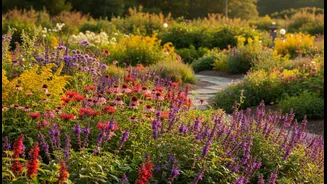
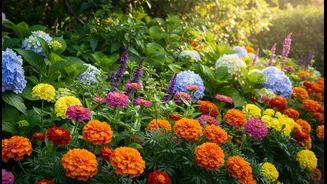
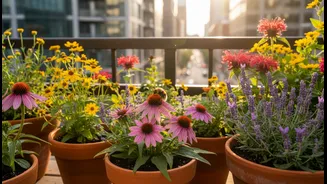
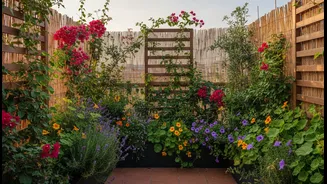
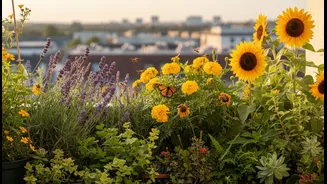
A successful pollinator garden isn't just about the right flower shapes; it's also about creating a multi-level environment. Planting flowers of various heights—from low-growing ground covers to mid-sized shrubs and taller background plants—creates different zones for foraging and shelter. This layering, sometimes called 'structural complexity', makes the garden more dynamic and can reduce competition between different pollinator species. Tall flowers like Coneflower or Butterfly Bush can serve as a backdrop, while medium-height plants like Black-eyed Susans and Bee Balm fill the middle ground. Low-growing herbs or ground covers can complete the picture, ensuring there’s something for every type of visitor. This tiered approach also provides shelter from wind and predators, making your garden a safer space for these delicate creatures.
Building a Complete Pollinator Paradise
Beyond just flowers, a few extra touches can make your garden the most popular spot on the block for pollinators. Always plant in clusters or drifts of the same species. A large patch of colour is like a bright billboard, making it easier for pollinators to spot from a distance. Providing a shallow dish of water with pebbles or stones for landing gives butterflies and bees a safe place to drink. And perhaps most importantly, avoid using chemical pesticides. These chemicals can be harmful or fatal to the very insects you're trying to attract. By embracing organic gardening practices, you create a healthy and thriving ecosystem for everyone to enjoy.