





More Than Just a Digital Page
For the last few years, digital menus have become commonplace, but their function has largely been to simply display static information. The next evolution, powered by artificial intelligence, treats the menu not as a fixed list but as a dynamic tool.
AI systems can analyze vast amounts of data—from past sales and customer feedback to the time of day and even the weather—to transform how a menu operates. This isn't just about showing what's available; it's about creating a responsive dining experience where the menu intelligently interacts with both the customer and the restaurant's operations. These systems are moving beyond simple order-taking to become central hubs for restaurant management.
The Personalized Plate
One of the most significant changes AI brings to the table is personalization. By analyzing a customer's order history and stated preferences, AI can create detailed profiles, noting favorite dishes, dietary restrictions, and even preferred spice levels. When a returning customer browses the menu, the system can suggest dishes they are likely to enjoy, suggest new items based on their taste profile, or offer relevant add-ons and pairings. This level of personalization makes the dining experience feel unique and valued, which can foster greater customer loyalty. Some restaurant chains that have implemented AI-powered recommendations have already seen significant increases in online sales.
Dynamic Pricing and Reduced Waste
Drawing inspiration from the airline and ride-sharing industries, restaurants are beginning to explore AI-driven dynamic pricing. This allows them to adjust menu prices in real time based on factors like demand, ingredient costs, and competitor pricing. For example, a restaurant could offer a discount on certain dishes during slower periods to attract more customers. This strategy is also a powerful tool for reducing food waste. If an AI system notes a surplus of a particular ingredient, it can adjust the menu to promote dishes that use it, perhaps through a special offer. By aligning pricing with inventory, restaurants can improve margins and operate more sustainably.
Smarter Kitchens and Supply Chains
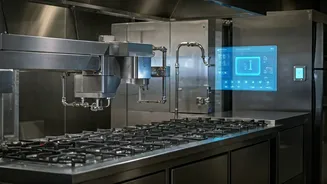
A smart menu's intelligence extends far beyond the customer's view and deep into the kitchen. AI connects menu data directly to inventory management systems. It can predict future demand for certain ingredients based on historical sales trends, seasonality, and upcoming events. This allows for automated and highly accurate ordering, preventing both shortages of popular items and the over-ordering of perishable goods. This link between the menu and the supply chain ensures ingredients are fresh, waste is minimized, and the kitchen runs more efficiently, ultimately reducing operational costs.
The Human Element in an AI World
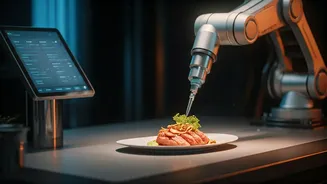
While the rise of AI in restaurants brings efficiency, it also raises questions about the human role. However, industry experts see AI not as a replacement for staff, but as a tool to augment their skills. By automating repetitive tasks like order taking and payment processing, AI frees up employees to focus on higher-value interactions, such as providing exceptional hospitality and handling complex customer needs. AI can even be used as a creative partner for chefs, generating new dish ideas based on ingredient combinations and food trends, which the chef then perfects. The goal is to create a seamless operation where technology handles the logistics, allowing people to focus on the art of food and service.