






The Body’s Electrical System
Before we can understand cramps, we need to talk about electrolytes. Think of them as the body’s spark plugs. These essential minerals—which include sodium, potassium, calcium, and magnesium—carry an electric charge and are vital for countless bodily
functions. They regulate everything from fluid balance and nerve function to heart rhythm. Most importantly for this conversation, they are critical for muscle contractions. When you want to move a muscle, your brain sends a signal through your nerves. Electrolytes are what allow that electrical signal to tell the muscle to contract and, just as importantly, to relax.
When Signals Get Crossed
A muscle cramp is essentially a misfire—an involuntary, sustained contraction where the muscle fails to relax properly. While the exact cause can be complex and sometimes unknown, a common trigger is an electrolyte imbalance, often due to dehydration from sweating. When you sweat, you don't just lose water; you lose crucial minerals. If these aren't replenished, the communication between your nerves and muscles can get disrupted. Drinking plain water after significant sweat loss can sometimes even worsen the problem by further diluting the electrolytes remaining in your system.
Coconut Water's Star Player: Potassium
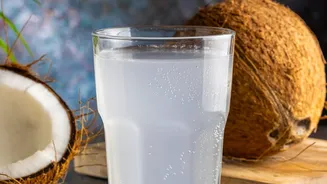
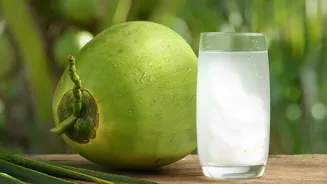
This is where coconut water enters the picture. It has earned a reputation as 'nature's sports drink' primarily because of its impressive potassium content. A single serving can contain more potassium than a banana. Potassium is a key electrolyte that plays a major role in helping muscles contract and relax properly. A deficiency can interfere with the electrical signals that control muscle function, leading to cramps. For light activities like yoga or a short walk, coconut water can be an excellent way to rehydrate and replenish this mineral without the added sugars found in many commercial sports drinks.
The Missing Piece: Why Add Salt?
While coconut water is rich in potassium, it's naturally low in another critical electrolyte: sodium. When you exercise and sweat heavily, you lose far more sodium than any other mineral. Sodium is essential for maintaining fluid balance, transmitting nerve signals, and helping muscles function smoothly. An imbalance is a primary culprit behind exercise-related cramps. This is why coconut water alone might not be enough for intense or long-duration workouts. Adding a simple pinch of table salt (sodium chloride) helps to create a more complete electrolyte profile, replacing the key mineral you lose in the greatest quantity and helping your body retain the water you're drinking.
Not a Cure-All for Cramps
It’s important to remember that this combination isn't a magic bullet. Dehydration and electrolyte loss are major causes of cramps, but they aren't the only ones. Muscle fatigue from overuse, nerve compression, certain medications, and underlying medical conditions can also be responsible for those painful spasms. If you experience severe, frequent, or persistent cramps that don't improve with hydration and stretching, it’s a good idea to consult a healthcare provider to rule out other issues. Cramps can be your body's way of signaling that something is out of balance, and it's always wise to listen.