






Giving In To Street Food Cravings
The urge for hot pakoras or a spicy plate of chaat is strongest when it rains, but this is the riskiest time to indulge. High humidity and moisture create a perfect breeding ground for bacteria like E. coli and Salmonella. Street vendors often work in conditions
where hygiene can be compromised, and the water used for chutneys or for washing can be contaminated, leading to infections like typhoid, cholera, and gastroenteritis. If you must indulge, opt for snacks that are freshly prepared and served piping hot, as the heat can kill many harmful germs. Even so, home-cooked meals remain the safest bet.
Eating Leafy Greens Without Caution
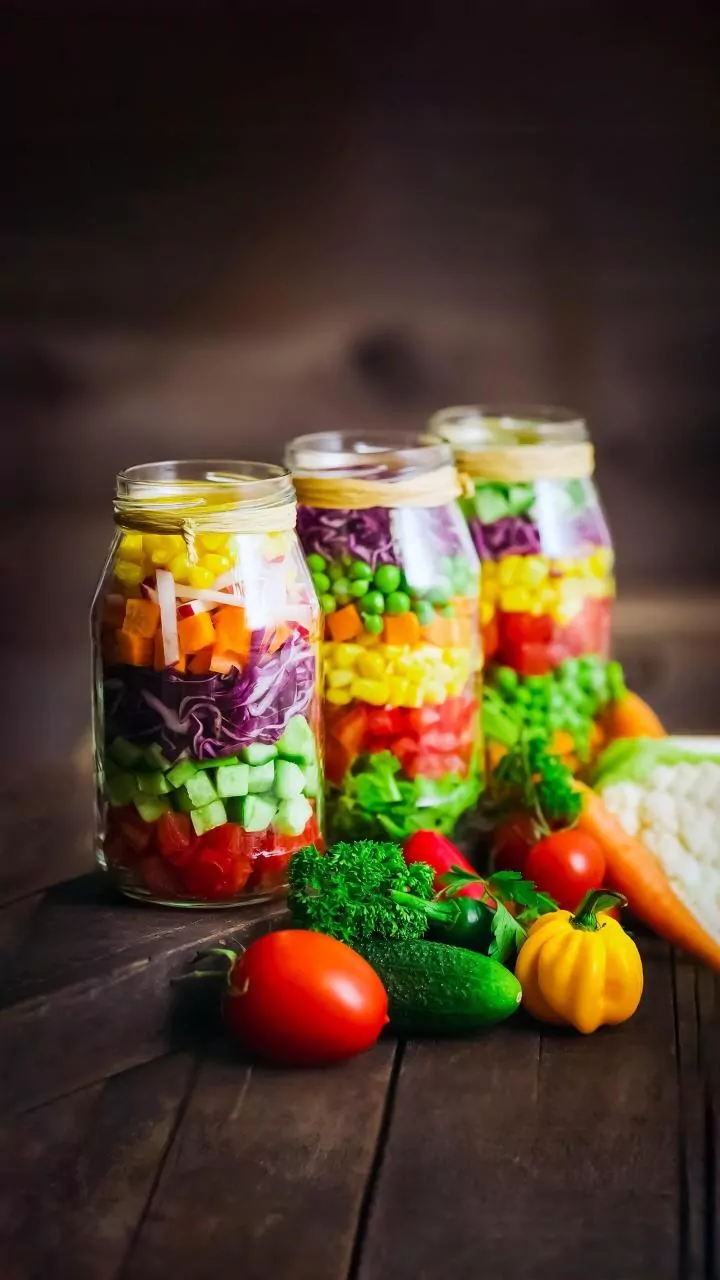
While normally a staple of a healthy diet, leafy vegetables like spinach, cabbage, and lettuce require extra caution during the monsoon. The dampness and mud on these greens make them an ideal environment for germs, dirt, and even worms to thrive. The intricate folds of vegetables like cauliflower and broccoli can also trap moisture and microbes, making them difficult to clean thoroughly. Experts suggest it's best to limit raw salads during this season. If you do consume these vegetables, ensure they are washed meticulously, perhaps by soaking in salt water, and cooked thoroughly to destroy any potential pathogens.
Consuming Pre-Cut Fruits and Seafood
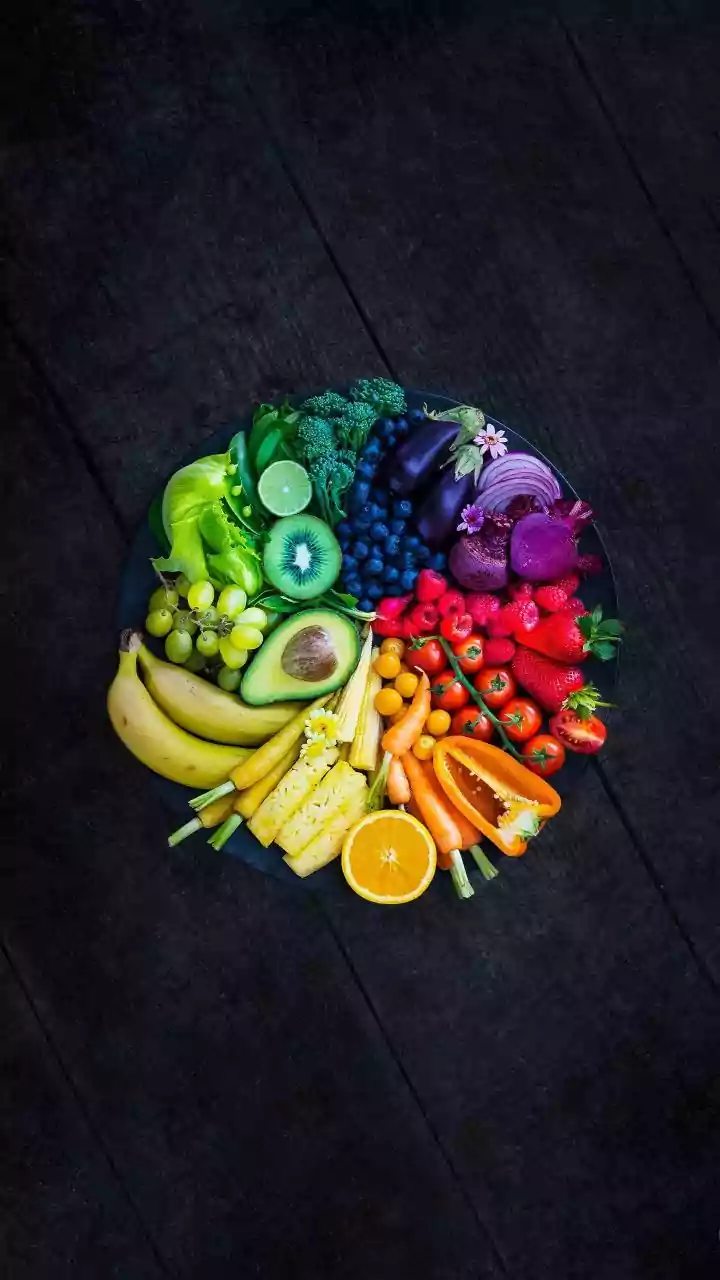
Buying pre-cut fruits from roadside vendors is a major mistake during this season. Once cut and exposed to the humid air, fruits become a magnet for bacteria and can spoil quickly. It is much safer to buy whole fruits and cut them yourself at home just before eating. Favour fruits with thick peels like bananas and pomegranates. Similarly, exercising caution with seafood is crucial. The monsoon is the breeding season for many fish and prawns, which increases the likelihood of contamination and spoilage. If you choose to eat seafood, ensure it is extremely fresh and cooked all the way through.
Overdoing Fried and Heavy Foods
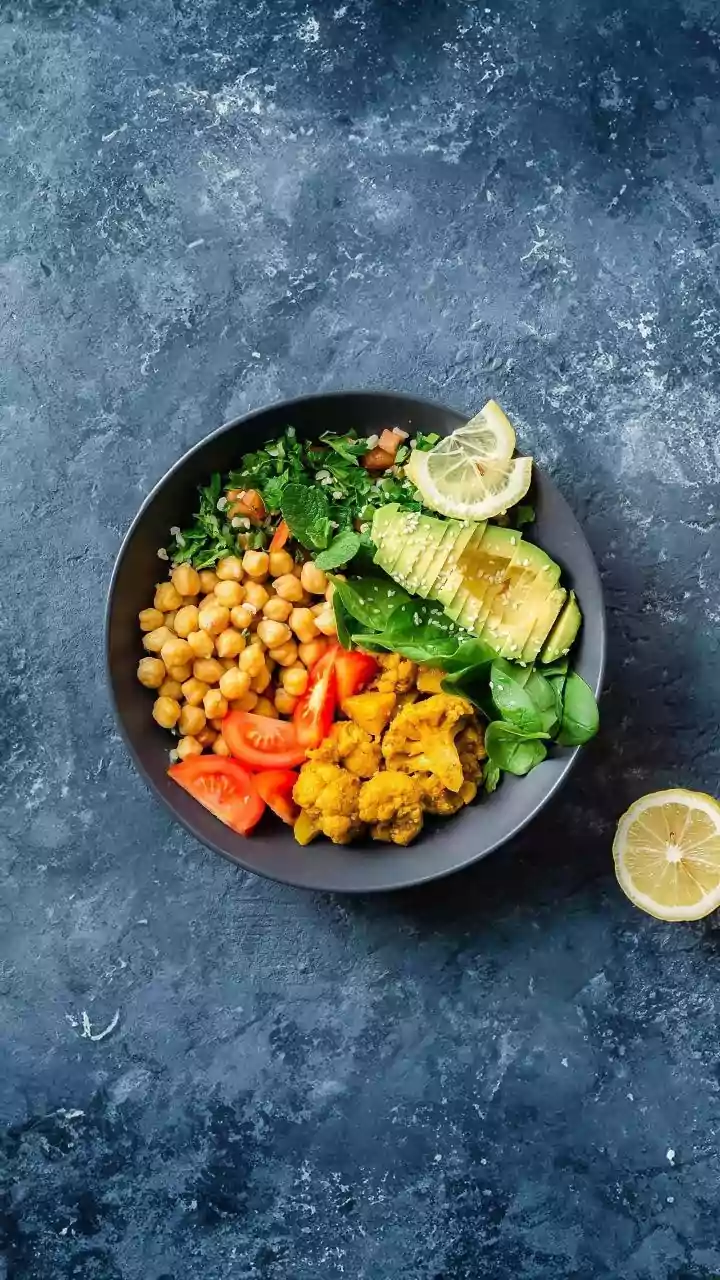
Rainy weather often triggers cravings for fried and oily foods. While an occasional samosa is fine, overindulging can wreak havoc on your digestive system. According to Ayurveda and modern nutrition, our digestion becomes weaker and more sluggish during the monsoon. Heavy, oily foods are difficult to digest and can lead to problems like bloating, acidity, and indigestion. It’s better to opt for lighter, warmer meals like soups, khichdi, and steamed vegetables that are easy on the stomach.
Ignoring Gut-Friendly Probiotics
With a weaker immune system and digestive fire during the monsoon, supporting your gut is more important than ever. A common mistake is not actively including probiotics in your diet. Probiotics are beneficial bacteria that strengthen your gut lining and help fight off harmful pathogens. Natural sources like freshly made curd (dahi) and buttermilk are excellent choices. However, some Ayurvedic principles advise consuming curd with caution during this season, suggesting it's best had during the day, perhaps with a pinch of black pepper. Including gut-friendly spices like ginger and turmeric can also help soothe inflammation and aid digestion.
Not Paying Attention to Hydration
With the weather being cooler, it's easy to drink less water. However, inadequate hydration is a significant mistake. The humid weather can still cause you to lose fluids through sweat. Proper hydration is essential for flushing out toxins and maintaining good digestive function. However, be mindful of your water source. Stick to boiled or filtered water to avoid waterborne diseases. It's also wise to be cautious with fizzy drinks, as they can reduce enzyme activity and cause bloating. Warm herbal teas and soups are great ways to stay hydrated and keep your digestive system happy.