




The Undisputed King of Trophies
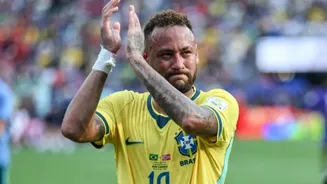
On the most straightforward metric, Pelé’s case is overwhelming. He is the only player in history to have won the FIFA World Cup three times (1958, 1962, 1970). As a 17-year-old in 1958, he exploded onto the global scene, scoring six goals, including
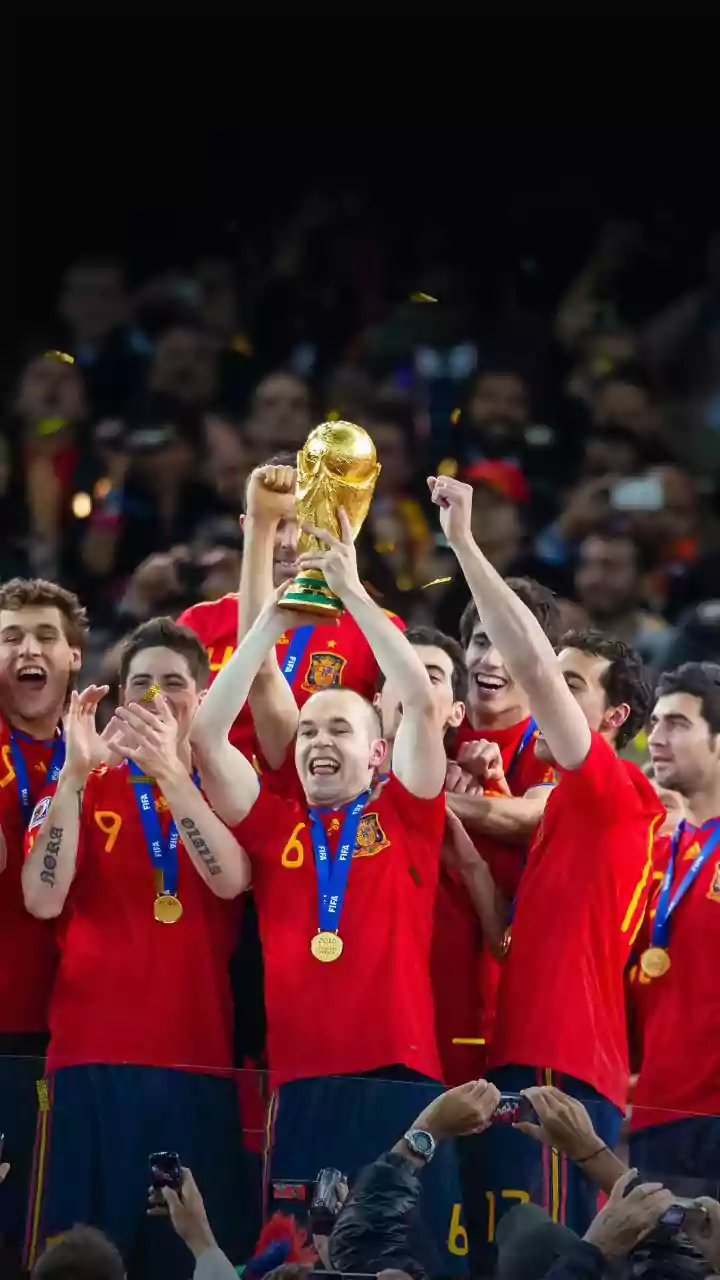
a hat-trick in the semi-final and two in the final. While he was injured early in the 1962 tournament, his presence was part of the squad that retained the title. In 1970, he was the undisputed leader of what many consider the greatest football team ever assembled, scoring the opening goal in the final. Three winner's medals is a record that feels untouchable, a towering achievement that forms the bedrock of his legacy.
The Modern-Day Messiah's Quest
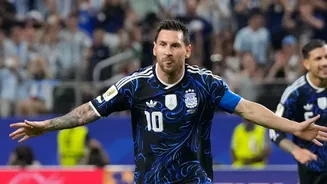
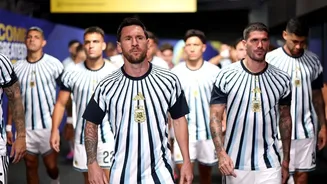
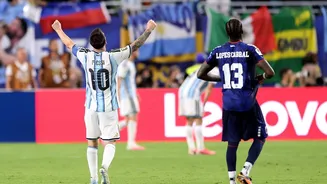
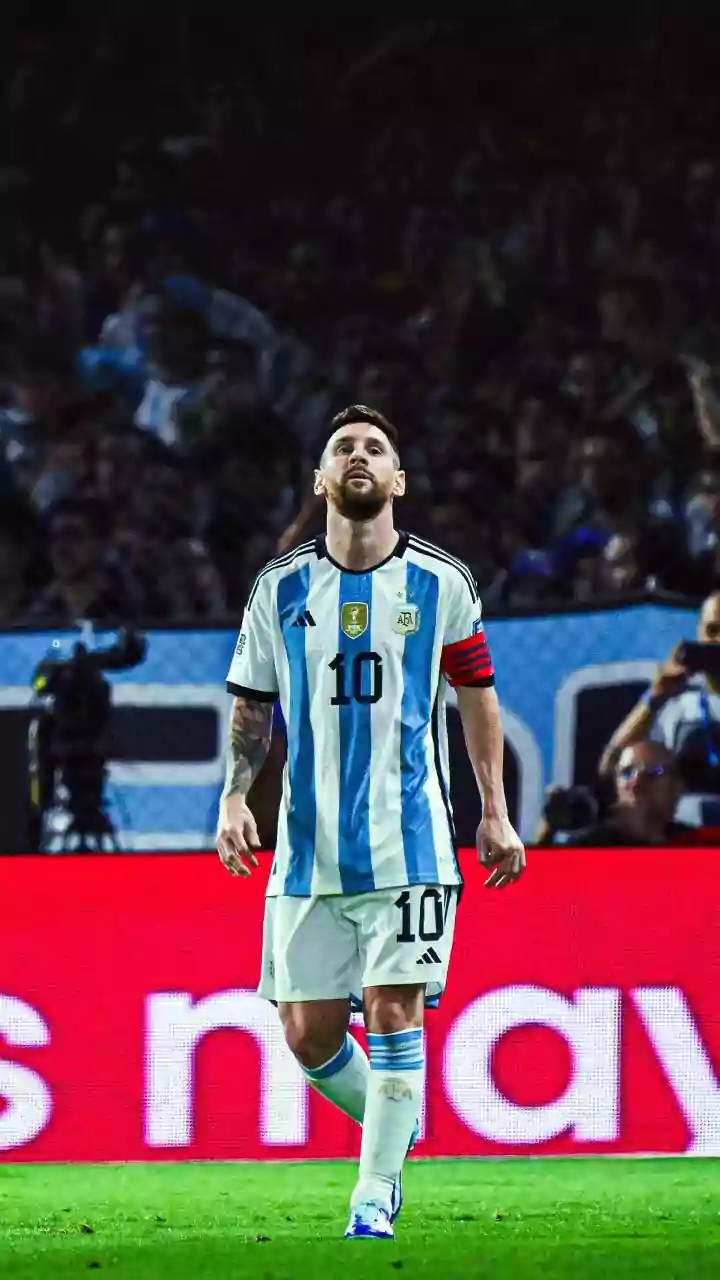
Lionel Messi’s journey is a different kind of epic. It’s a narrative of persistence, heartbreak, and ultimate redemption. For years, the World Cup was the one glaring omission in his otherwise perfect career. He carried the weight of a nation, reaching the final in 2014 only to lose in extra time. But 2022 in Qatar was his coronation. At 35, Messi was the heart and soul of the Argentinian team, scoring seven goals, providing crucial assists, and delivering clutch performances in every single knockout game. He became the first player to score in the group stage, round of 16, quarter-final, semi-final, and final of a single tournament. While he has only one trophy to Pelé’s three, the story behind that single victory—a long-awaited triumph that completed football—carries immense narrative power.
Stats, Goals, and Golden Balls
When we dive into the numbers, the picture gets more complex. Pelé scored 12 goals in 14 World Cup matches, an incredible ratio of 0.86 goals per game. Messi, after five tournaments, has 13 goals in 26 matches, a ratio of 0.50. However, Messi is also the tournament's all-time leading assist provider (officially recorded since 1966). The most telling individual statistic in the modern era is the Golden Ball, awarded to the tournament's best player. Messi has won it twice (2014, 2022), a feat no other player has achieved. This highlights his consistent, tournament-defining individual brilliance, even in a tournament his team didn't win. Pelé played before the award was officially introduced in 1982, though he was retroactively honoured for 1970.
The Weight of an Era
It is impossible to compare the two without considering their respective eras. Pelé played on bumpier pitches, with a heavier ball, and faced notoriously brutal defending in a time before yellow and red cards were used as effectively. He was the first global football superstar, his feats broadcast in black and white to a world just falling in love with the television. He didn't just play the game; he helped build its mythos. Messi, on the other hand, performed under the relentless 24/7 glare of modern media and social media scrutiny. Every touch was analysed, every miss magnified. He had to navigate a more athletic, tactically sophisticated game, where defensive structures are far more organised. His genius had to find new ways to break through a more polished and professional version of the sport.
The Final Verdict: Myth vs. Modernity
So, who has the greater legacy? It depends on what you value. Pelé’s legacy is foundational. It’s about being the first, the King, the man who set a benchmark so high it became a myth. His three titles represent an empire of dominance. He made Brazil synonymous with footballing excellence and became an icon whose fame transcended the sport. Messi's legacy is about the completion of a narrative. It's the story of a modern genius who shouldered unimaginable pressure for almost two decades and, against all odds, conquered his final frontier. His 2022 victory was not just a win for Argentina; it was a deeply personal and universally celebrated moment of catharsis for the player who had already won everything else.