




What is Surya Namaskar?
Surya Namaskar translates to 'salutation to the sun' and is traditionally practised in the morning to greet the new day. It's more than just a series of stretches; it is a dynamic sequence that synchronises breath with movement, creating a meditative
flow. This practice is considered a complete workout because it engages nearly every major muscle group, improves flexibility, and provides a cardiovascular boost, making it a powerful tool for physical and mental well-being.
The Opening: Centering and Reaching (Steps 1 & 2)
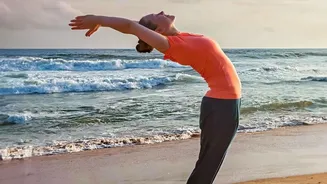
The sequence begins with Pranamasana (Prayer Pose), standing with feet together and palms at your heart. This initial pose helps center the mind and prepare the body. From here, you inhale into Hastauttanasana (Raised Arms Pose), sweeping your arms up and arching your back gently. This movement stretches the spine and shoulders, opens the chest to improve lung capacity, and begins to stimulate the nervous system, providing an initial jolt of energy.
The Forward Fold: Lengthening the Spine (Step 3)
Next, you exhale and fold forward from the hips into Hastapadasana (Hand to Foot Pose). In this posture, you aim to bring your hands to the floor beside your feet, which deeply stretches the hamstrings and the entire length of the spine. This forward bend is calming for the mind and also massages the abdominal organs, which can aid digestion and help detoxify the body. Consistently practising this pose enhances spinal flexibility.
The Lunge and Plank: Building Strength (Steps 4 & 5)
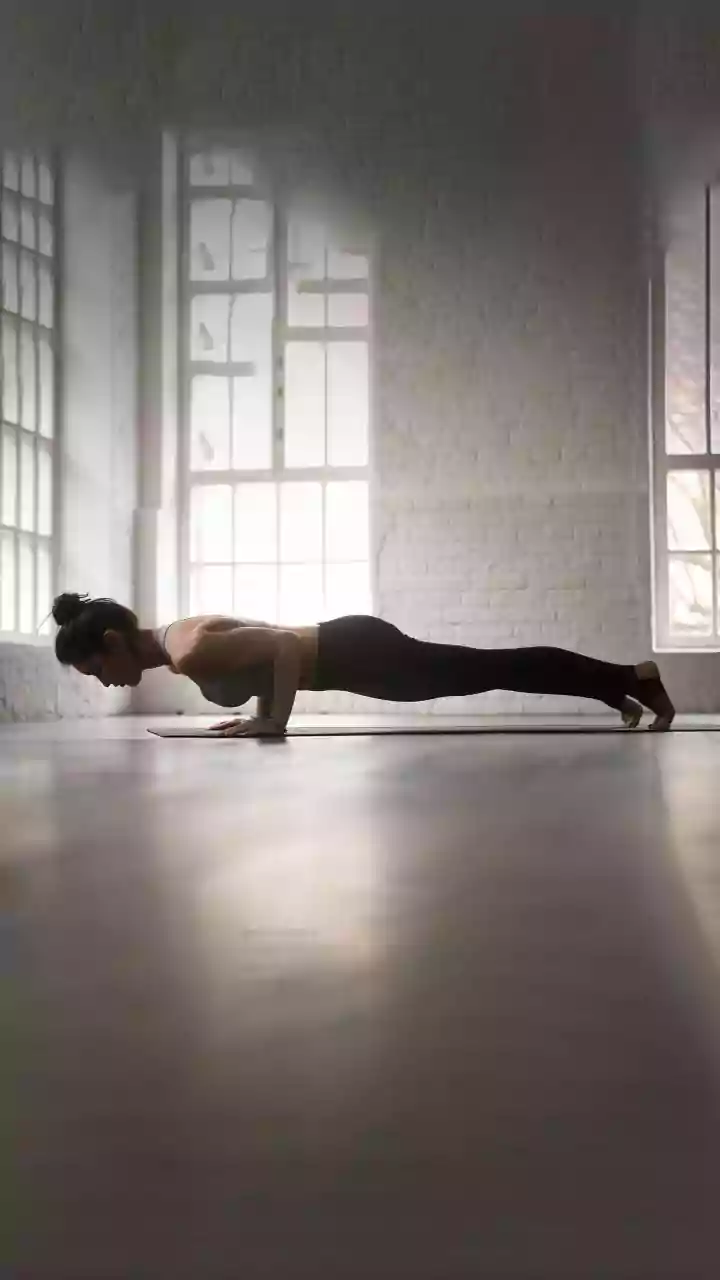
Inhaling, you step one leg back into Ashwa Sanchalanasana (Equestrian Pose), a deep lunge that opens the hips and strengthens the leg muscles. From there, you step the other leg back to form Dandasana (Plank Pose), holding your body in a straight line from head to heels. Plank is a phenomenal hack for building core stability, as it engages the abdominal muscles, obliques, and lower back. It also strengthens the arms, shoulders, and chest.
The Heart Opener: Cobra Pose (Steps 6 & 7)
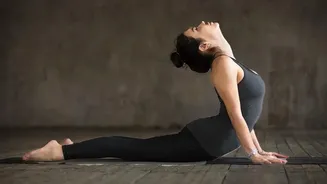
From Plank, you exhale and lower your knees, chest, and chin to the ground in Ashtanga Namaskara (Eight-Limbed Pose). Then, you inhale and slide forward into Bhujangasana (Cobra Pose), lifting your chest off the floor while keeping your pelvis grounded. This powerful backbend opens up the chest and shoulders, strengthens the back muscles, and is known to alleviate stress and fatigue. This pose directly counters the hunched posture many of us develop from sitting at desks.
The Inversion: Downward-Facing Dog (Step 8)
Exhaling, you lift your hips and press back into Adho Mukha Svanasana (Downward-Facing Dog). This iconic pose creates an inverted 'V' shape with your body. It provides a full-body stretch, particularly for the hamstrings, calves, and shoulders, while also building upper body strength. As a mild inversion, it increases blood flow to the brain, which can help sharpen focus and relieve mild fatigue.
The Return Journey: Reversing the Flow (Steps 9-12)
The second half of the sequence mirrors the first. You inhale and step your foot forward again into the Equestrian Pose (Step 9), exhale into the Hand to Foot Pose (Step 10), inhale while rising up into the Raised Arms Pose (Step 11), and finally exhale back to the starting Prayer Pose (Step 12). This symmetrical design ensures that both sides of the body are worked evenly, promoting balance and completing the cycle of energy flow. One full round consists of performing the sequence leading with the right leg, and then again leading with the left.