





A Crisis That Can't Be Ignored
Childhood obesity is no longer a looming threat; it's a present-day emergency. Globally, the prevalence of obesity among children and adolescents aged 5 to 19 quadrupled between 1990 and 2024, rising from 2% to 8%. This means around 170 million young
people are now living with obesity. The situation in India is particularly alarming. According to the World Obesity Atlas 2026, India ranks second globally, after China, with an estimated 41 million children and adolescents affected by high body mass index (BMI). This isn't just about weight; it's about a higher risk of early-onset chronic conditions like type 2 diabetes, hypertension, and cardiovascular disease, alongside significant mental health challenges stemming from stigma and bullying.
What the New Guidelines Recommend
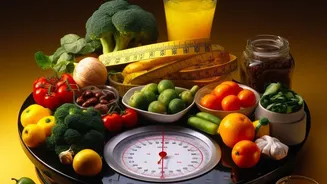
The WHO's new framework is built on a 'people-centred' approach, moving the focus beyond just weight loss to overall physical and mental wellbeing. The core recommendation for all children and adolescents living with obesity is a combination of structured interventions in diet, physical activity, and behaviour change. The guidelines are divided into two distinct age groups: one for children under 10 and another for adolescents aged 10-19. The WHO stresses that these interventions should be tailored to the individual's age, cultural context, and personal preferences, involving the family as a crucial support system. The goal is to build sustainable habits and empower children, not to enforce a one-size-fits-all regimen.
Guidance for Younger Children (Under 10)
For children under the age of 10, the WHO takes a firm, non-medical approach. The guidelines state clearly that pharmacological treatments (weight-loss drugs), bariatric surgery, and weight-loss devices are not recommended for this age group. The entire focus is on lifestyle. This includes structured support for healthier eating habits, increasing physical activity, and addressing behaviours around food and screen time. The approach also calls on healthcare workers to be sensitive, advising them to ask permission before even discussing weight with a child to build trust and avoid causing harm through stigma. The emphasis is on creating a supportive environment that fosters healthy growth from the earliest years.
A Different Approach for Adolescents (10-19)
For adolescents, the foundational advice remains the same: a multi-pronged lifestyle program is the first and most important step. However, the WHO acknowledges that for some teens, this may not be enough. In specific cases where a supervised lifestyle program has not achieved the desired health outcomes, the guidelines conditionally recommend that approved medications could be considered. Similarly, bariatric surgery may be an option, but only under strict conditions for adolescents with severe obesity and related health complications, who demonstrate physical and mental maturity. The WHO stresses that these are not first-line treatments but are tools to be used carefully within a specialist, multidisciplinary care setting.
Beyond the Individual: A Call for Systemic Change
A crucial part of the WHO's message is that treatment alone cannot solve the obesity epidemic. The guidelines are a call to action for governments and communities. The WHO urges policymakers to create healthier environments where nutritious food and opportunities for physical activity are affordable and accessible to all. This includes implementing policies that regulate the marketing of unhealthy foods and drinks to children, improving school meal programs, and designing urban spaces that encourage movement. In India, where reports indicate that 74% of adolescents do not meet recommended physical activity levels and access to regulated school meals is low, this systemic approach is particularly vital.