







The Threefold Growth Story
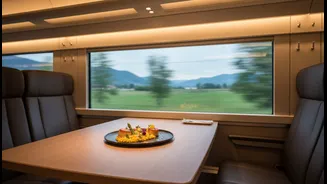
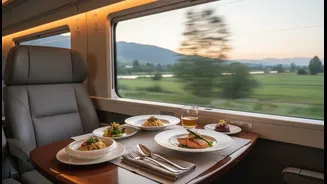
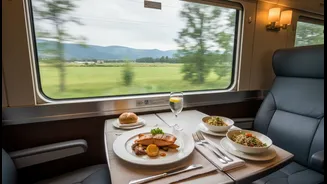
Swiggy has announced a significant expansion and surge in its 'Food on Train' service, a collaboration with IRCTC that allows passengers to order restaurant food directly to their train seats. In the first quarter of fiscal year 2027, covering April to June
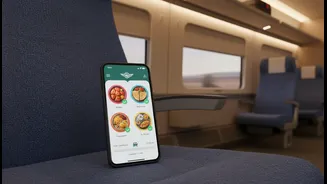
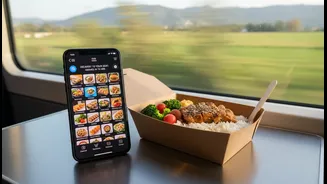
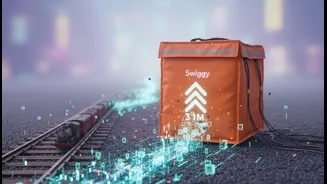
2026, the company reported a threefold year-on-year growth in orders. This boom was fuelled by the summer travel rush and a rapid expansion of the service, which now covers over 180 stations across India. The process is straightforward: passengers enter their PNR number into the Swiggy app, choose a restaurant at an upcoming station, place their order, and receive it at their seat. The growth isn't just in volume; it's also in user behaviour. The platform has seen a 300% increase in multi-station bookings, where a single passenger orders meals for multiple stops on their journey.
The Benefits: A World of Choice
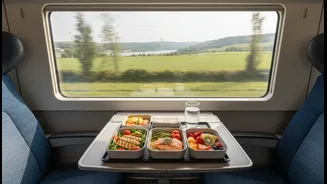
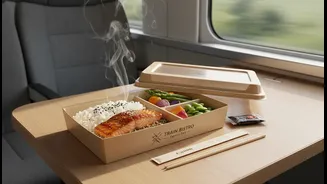
For decades, train food was a limited affair, often confined to pantry car meals or whatever was available during brief station halts. The primary benefit of services like Swiggy’s is the vast expansion of choice and convenience. Passengers can now browse menus from thousands of FSSAI-approved restaurants, from national chains like McDonald's to local favourites, and order anything from a masala dosa to a pizza. This is a game-changer for travellers with specific dietary needs, such as those requiring pure veg or Jain meals, and for families travelling with children. The ability to pre-book meals up to four days in advance also removes the anxiety of finding quality food during the journey. Swiggy promises assured delivery with live tracking and a full refund if the order fails, adding a layer of reliability that was previously missing.
The Risks: A Logistical Minefield
Despite the promise, delivering food to a moving target is fraught with challenges. The entire system hinges on precise timing. A delayed train can throw the entire delivery into chaos, and a short halt at a station leaves little room for error. While Swiggy claims to use real-time train tracking, the risk of a missed delivery remains a primary concern for passengers. Another significant risk is food quality and safety. While partners are vetted, ensuring a meal remains hot, fresh, and uncontaminated from a restaurant kitchen to a train berth is a complex logistical operation. There are anecdotal reports from users who have received wrong, damaged, or unhygienic orders, followed by frustrating customer service experiences where accountability is shifted between Swiggy and IRCTC. Furthermore, unlike some competitors, Swiggy's service in some cases may require passengers to come to the coach door or even the platform, which can be inconvenient and risky.
The Reader Takeaway: How to Order Smart
Swiggy's entry into rail catering is undeniably a massive step forward for passenger convenience, but it’s a service that should be used with a degree of savviness. For travellers, it offers unparalleled choice, but its reliability is still being tested at scale. If you plan to use the service, it's wise to order from well-known, highly-rated restaurants. Consider placing your order for a station where the train has a longer scheduled halt (10 minutes or more) to build in a buffer for potential delays. Always have a backup, whether it's snacks or a plan to eat at the next major station, just in case the delivery fails. The service is most promising for long-distance journeys where multiple meal times are involved, allowing you to plan ahead and avoid reliance on a single pantry car. Ultimately, while the system isn't perfect, it represents a significant shift in the travel experience, putting more control and choice into the hands of passengers.