

At first glance, hiking and skateboarding occupy opposite ends of the activity spectrum. One evokes serene nature trails, the other urban concrete. But the real difference lies in how they ask your body to move, pitting steady footwork against dynamic
motion.
The Rhythm of the Trail
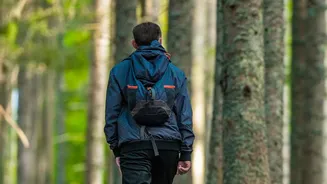
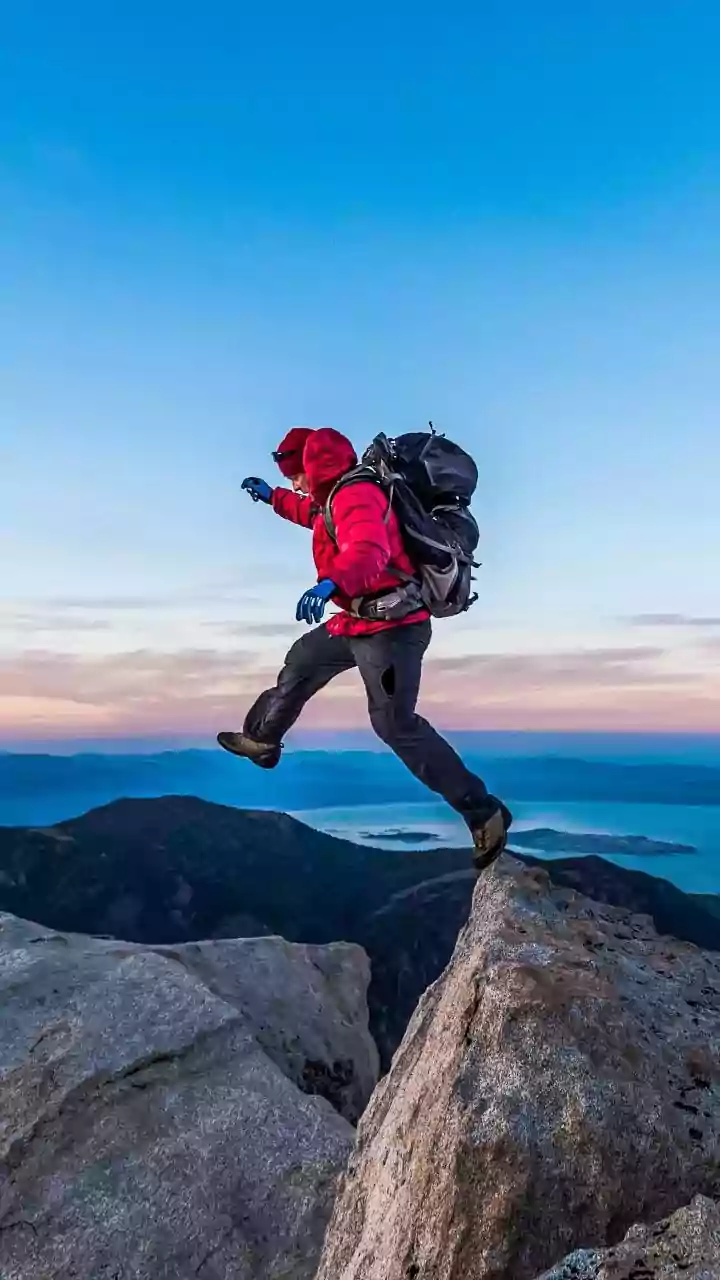
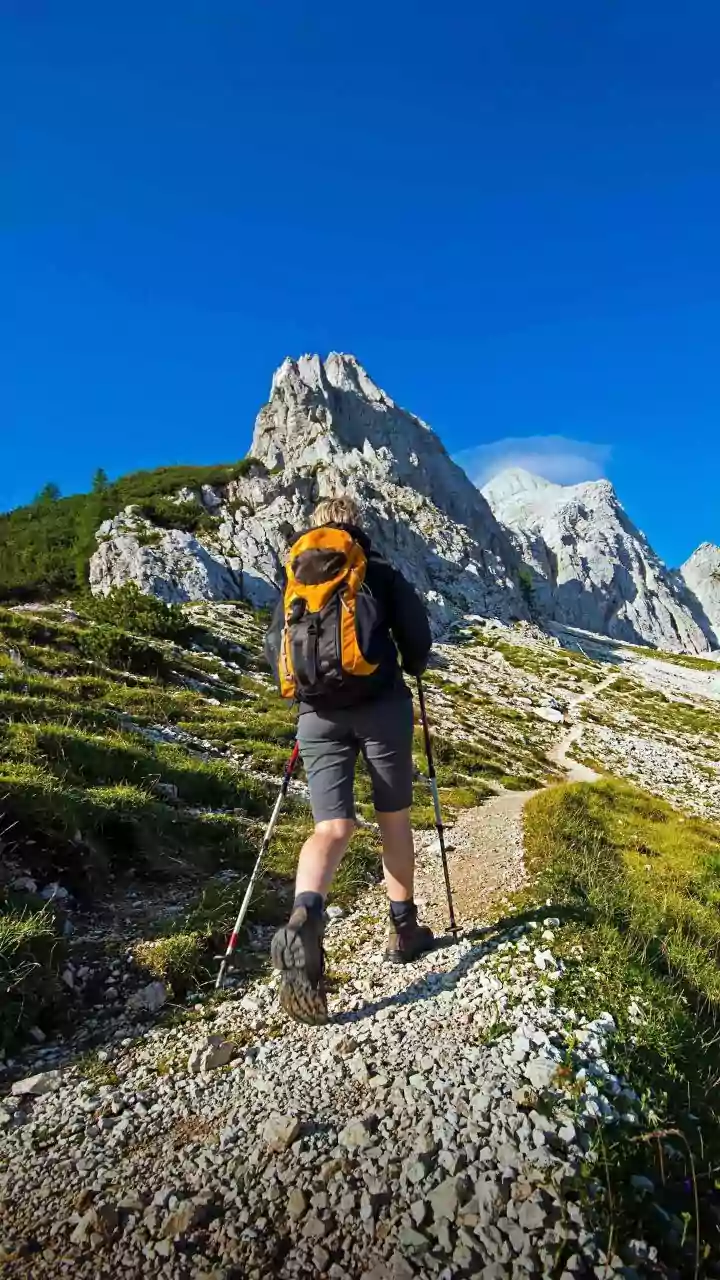
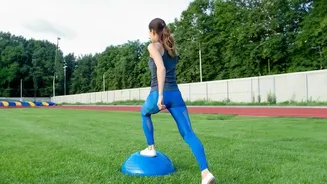
Hiking is an exercise in endurance and rhythm. It’s defined by steady, repetitive movement over varied terrain. Whether on a flat path or a steep incline, your body settles into a consistent cadence. This makes it a fantastic form of low-to-moderate intensity, steady-state cardio. The primary muscles at work are the large groups in your legs: the quadriceps, hamstrings, glutes, and calves. These muscles propel you uphill and stabilize you on the descent. Walking on uneven ground also forces constant, minor adjustments, engaging smaller stabilizing muscles in your ankles and your core to maintain balance. This process enhances proprioception, your body's awareness of its position in space, but in a gradual, controlled manner. The mental state often mirrors the physical one: a meditative flow born from consistent rhythm and a connection to your surroundings.
The Explosiveness of the Board
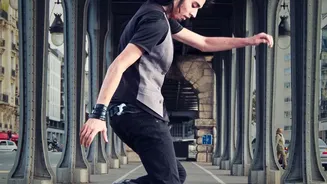
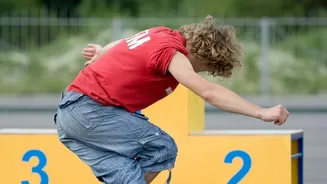
Skateboarding is the antithesis of steady rhythm; it is an activity of explosive, reactive, and dynamic movement. It functions more like high-intensity interval training, characterized by short bursts of powerful pushing followed by periods of coasting and balancing. The act of staying upright on a moving board is a full-body challenge, demanding constant engagement from your core—the abs and lower back—to act as your center of stability. The legs are also working differently. Pushing off the ground is an anaerobic burst, while steering and performing tricks require immense coordination, precision, and agility. Skateboarding dramatically sharpens proprioception and your sense of balance, known as equilibrioception, forcing your nervous system to make split-second adjustments to prevent falls.
Fitness Profile: Endurance vs. Agility
Choosing between the two depends heavily on your fitness goals. Hiking is superior for building cardiovascular endurance and lower-body strength in a sustained way. An hour-long hike, especially with hills, provides a prolonged heart-rate elevation that strengthens the heart and improves circulation. It's a fantastic calorie-burning activity that is relatively low-impact, provided you have supportive footwear. Skateboarding, while also a great calorie burner, excels at developing different attributes. It builds functional core strength, improves fast-twitch muscle response, and cultivates a high degree of balance and agility that few other activities can match. The constant need to bail, pivot, and shift weight makes it a workout for your reflexes as much as your muscles.
The Landscape of Risk and Reward
Both activities come with their own set of risks. In hiking, the most common injuries are related to terrain and repetition: sprained ankles from uneven ground, blisters from friction, and joint strain from long descents. These are often preventable with proper gear and by knowing your limits. Skateboarding injuries are almost always acute and caused by falls. Wrist, elbow, and ankle fractures are common as riders instinctively brace for impact, and concussions are a significant risk without a helmet. However, the learning process itself builds resilience and pain tolerance. The accessibility also differs. Hiking requires access to trails and natural spaces, while skateboarding can be done on any smooth patch of pavement, making it a highly accessible urban activity.
Mindset: Meditative vs. Hyper-Focused
The mental state required for each activity is as different as the physical demands. The steady footwork of hiking allows the mind to wander, to destress, and to enter a meditative state. It’s a chance to disconnect from rapid decisionmaking. Skateboarding demands the opposite: an intense, almost singleminded focus. You must be completely present, anticipating cracks in the pavement, adjusting your balance, and mentally preparing for the next push or trick. This hyperfocus can be a form of stress relief in itself, forcing out all other thoughts and anxieties. One quiets the mind through rhythm; the other quiets it through intense concentration.