


The Heartbeat of the Snack
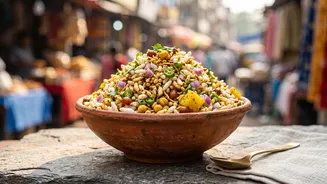
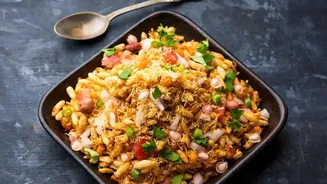
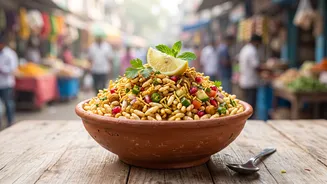
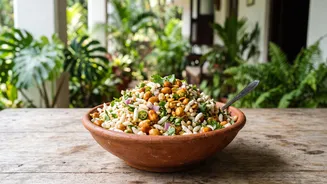
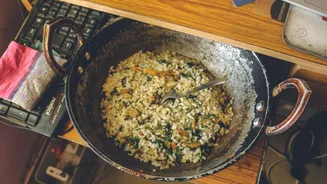
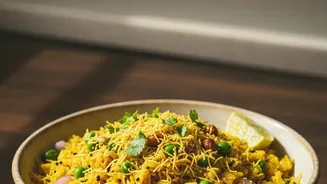
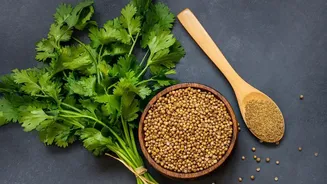
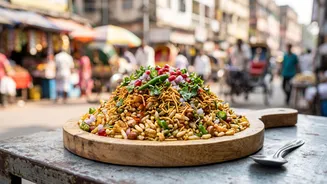
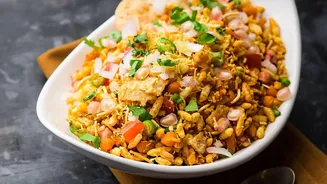
First, for anyone unfamiliar, let's set the stage. Jhalmuri is a popular street food originating from Bengal, made with puffed rice ('muri') and an electrifying mix of ingredients. Think boiled potatoes, green chillies, fresh coriander, roasted peanuts,
and a special blend of spices known as 'jhalmuri masala'. The entire mixture is tossed with a generous drizzle of pungent raw mustard oil, giving it its signature 'jhaal' or sharp, spicy character. It’s quick, it’s fresh, and it’s an explosion of textures and flavours. At the centre of this organised chaos is the raw onion, providing a foundational crunch and pungent sweetness that ties everything together.
Why Chopped, Not Sliced?
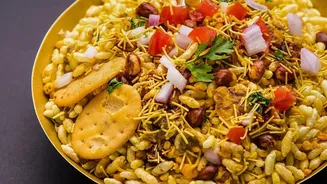
Here’s where the technique really matters. A home cook, like a seasoned Jhalmuri vendor, knows that slicing the onion just won’t do. Sliced onions would release too much water, turning the crisp puffed rice soggy almost instantly. They also create long, stringy pieces that disrupt the scoop-friendly texture of the snack. Finely chopping the onion, however, creates small, uniform pieces that distribute themselves evenly throughout the mix. This ensures that every single spoonful has a balanced combination of all the components, with a little burst of oniony sharpness in every bite, not just a single, overpowering string of it.
A Question of Texture
Texture is paramount in Jhalmuri. The goal is to have a delightful interplay between the light, airy puffed rice, the soft boiled potato, the firm crunch of peanuts or sev, and the fresh, crisp bite of raw vegetables. Chopped onions contribute perfectly to this textural mosaic. The small, hard cubes provide a distinct, satisfying crunch that stands up to the other ingredients without becoming dominant. Grating the onion is an even worse proposition, as it would create a watery paste that would turn the entire snack into an unappealing mush. The chop is a deliberate choice for maintaining the structural integrity and crispness that Jhalmuri is famous for.
The Science of Flavour Release
There's also a bit of food science at play. When an onion is chopped, its cell walls are ruptured, releasing sulfuric compounds that give it its characteristic pungency. A fine chop creates more surface area, allowing for a more intense and immediate release of these flavour compounds. When tossed with the sharp mustard oil and tangy lime juice, this creates a chemical reaction that mellows the onion's raw bite just enough, while allowing its flavour to permeate the entire mixture. The onion isn't just sitting in the Jhalmuri; it's actively marinating and blending with the other elements from the moment it's tossed, creating a flavour profile that is vibrant and alive.
An Act of Freshness
Finally, the act of chopping the onion to order is a hallmark of good Jhalmuri preparation. Both street vendors and home cooks know that pre-chopped onions lose their potency and crispness over time. They begin to oxidise and develop a stale, less pleasant flavour. The sharp, almost percussive sound of a knife rapidly dicing an onion on a wooden board is part of the Jhalmuri experience. It’s an auditory signal that what you are about to eat is being made fresh, just for you. That commitment to freshness ensures the final product has the brightest, sharpest, and most satisfying taste possible.