
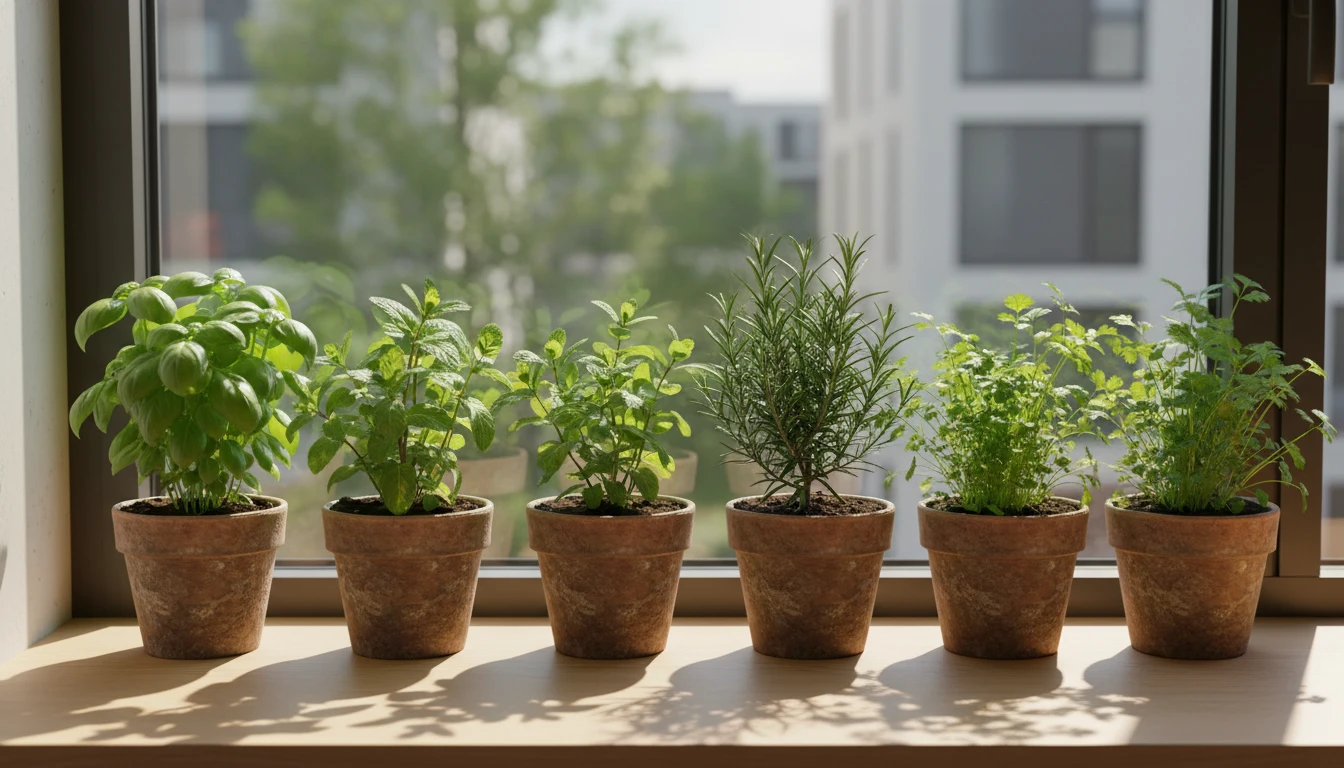


Why Start an Urban Herb Garden?
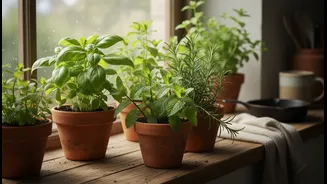
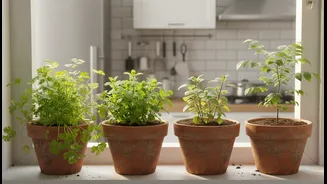
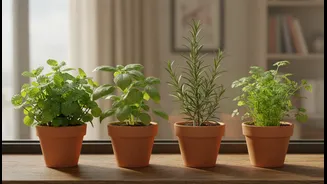
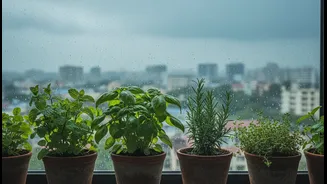
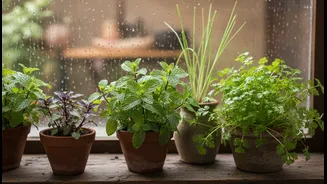
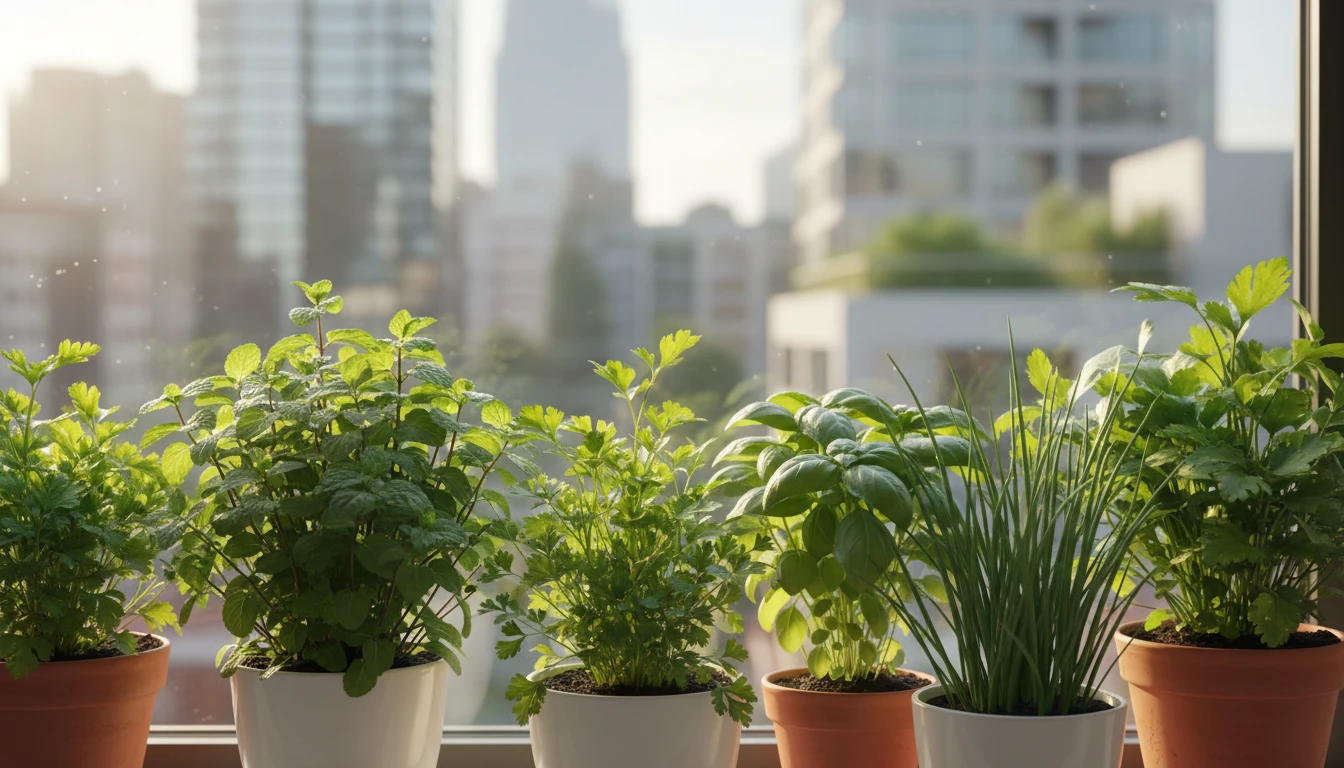
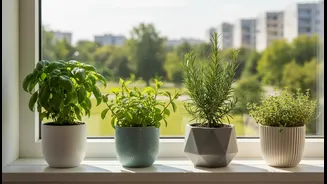
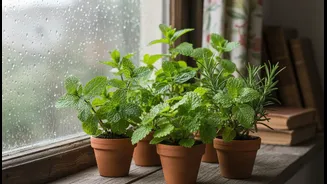
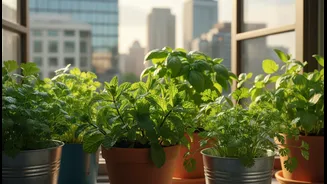
Creating a small herb garden is one of the easiest and most rewarding projects for urban dwellers. You don’t need a large yard; a few pots on a balcony or kitchen ledge will do. The benefits are immediate and numerous. Homegrown herbs offer superior flavour
and aroma compared to store-bought varieties, which often lose their freshness. Having a constant supply of fresh greens saves money and reduces waste from half-used bunches left wilting in the fridge. Tending to plants can be a therapeutic activity, reducing stress and connecting you with nature. The simple act of nurturing a plant adds life to your space and can even purify the air.
Holy Basil (Tulsi)
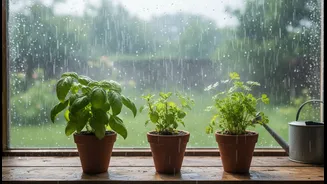
More than just an herb, Tulsi is a sacred plant in India revered for its healing properties. It is also incredibly easy to grow, thriving in the Indian climate and forgiving for beginners. Its peppery, clove-like fragrance is released after watering or during rain, acting as a natural air freshener. In the kitchen, its uses go far beyond medicinal teas or 'kadha'. Fresh Tulsi leaves can be chopped into salads, used to garnish dals, or even blended into chutneys with coconut and ginger. To grow, place it in a pot with good drainage where it can receive several hours of sunlight. Consistent watering keeps it healthy and aromatic.
Mint (Pudina)
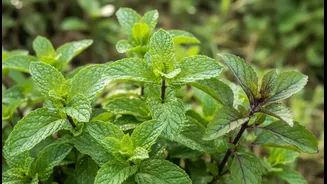
If you're looking for a practically no-fail herb, mint is the answer. Famous for its resilient nature and rapid growth, it's a perfect choice for novice gardeners. Its refreshing aroma makes it a wonderful addition to any balcony, and it can even help repel insects like mosquitoes. In Indian kitchens, pudina is essential for chutneys, raitas, and cooling summer drinks. Mint is adaptable, growing well in both sun and partial shade, making it ideal for balconies with varied light. However, it is an aggressive spreader, so it's best to plant it in its own separate pot to prevent it from taking over other plants. Keep the soil consistently moist but not waterlogged for a lush, continuous harvest.
Coriander (Dhania)
No Indian kitchen is complete without coriander. Its distinct flavour is a staple for garnishing everything from dal and sabzi to curries and raitas. Growing your own ensures a supply of fresh, pesticide-free leaves that are far more flavourful than store-bought options. Coriander grows quickly from seeds and can be harvested in about a month. It prefers a spot with partial shade, especially during the hot afternoons, and needs regular watering to keep the soil moist. One trick is to harvest the leaves regularly to encourage more growth and prevent the plant from 'bolting' or flowering too quickly, which can turn the leaves bitter.
Lemongrass
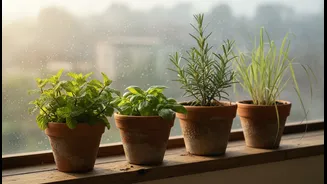
One of the easiest herbs to grow in the Indian summer, lemongrass offers a beautiful aesthetic and a powerful citrusy aroma. Its tall, grass-like appearance adds a structural element to a container garden, while its fragrance acts as a natural mosquito repellent. It’s a key ingredient in many Asian cuisines and makes a refreshing and healthy tea. Lemongrass loves the sun, so place it in a spot where it can get plenty of light. It’s not very demanding; once established, it is quite heat-tolerant and thrives with regular watering in a large pot.
Curry Leaves (Kadi Patta)
An essential in South Indian cooking, the curry leaf plant releases a warm, spicy fragrance when its leaves are touched or rustled by the breeze. While it may start slow, a mature plant provides a steady supply of aromatic leaves for tadkas, chutneys, and curries for years. Besides its culinary uses, the plant is visually appealing with its lush green foliage. It thrives in the sun and grows well in pots, as long as they are deep enough to accommodate its root system. Regular pruning not only provides you with fresh leaves but also encourages the plant to become bushier and more productive.