


Perfect The Pookalam, Naturally
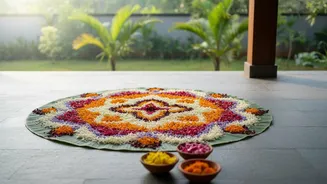
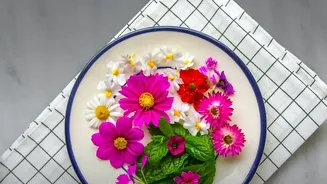
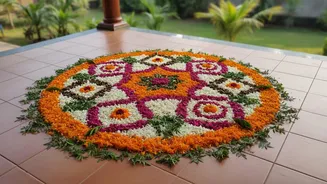
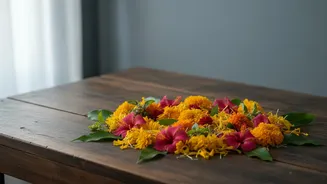
The pookalam, or floral carpet, is the heart of Onam decor. Instead of plastic or artificial flowers, embrace the tradition of using fresh, locally sourced petals. Use flowers like marigolds, jasmine, chrysanthemums, and globe amaranth which are biodegradable
and fill your home with a natural fragrance. Create your design on the floor, on a large banana leaf, or within a reusable tray. After the festivities, these flowers can be easily composted, returning them to the earth and leaving zero waste behind. This approach is not only eco-friendly but also authentic to the festival's roots in nature.
Embrace Everlasting Brass and Clay
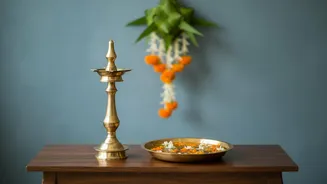
The warm glow of lamps is essential to the Onam ambiance. Instead of disposable plastic tea lights, invest in traditional brass nilavilakku (lamps) or terracotta diyas. These are timeless pieces that can be used year after year, becoming part of your family's festive traditions. Using natural oils like coconut or sesame oil in these lamps adds an authentic touch. For a beautiful centrepiece, float these diyas in a brass 'uruli' (a traditional wide bowl) filled with water and flower petals. This avoids plastic waste and adds a classic, elegant feel to your home.
Decorate with Traditional Textiles
Move away from plastic streamers and synthetic banners. Your own wardrobe can provide the most beautiful and sustainable decor. Drape traditional Kerala Kasavu sarees or mundus, with their distinct cream and gold aesthetic, as table runners, wall hangings, or elegant drapes over furniture. The rich texture and cultural significance of these textiles add an unmatched grace to your celebration. You can also use fabric scraps to create colourful bunting or decorative accents, giving old materials a festive new life.
Use Natural Materials for Thorans
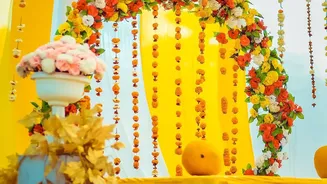
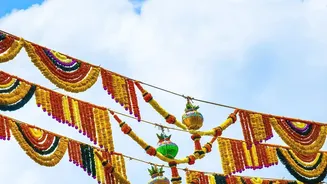
Welcome guests with traditional thorans (door hangings) made from natural materials. It is easy to string together fresh mango leaves and marigold flowers on a cotton thread to create a beautiful and auspicious entrance decoration. Unlike their plastic counterparts, these natural thorans are fully biodegradable and are believed to bring good fortune. You can also incorporate elements like coconut fronds to add more texture and a distinctly Keralan feel to your doorway.
Set a Sustainable Sadya Table
The grand Onam feast, or sadya, is traditionally served on banana leaves, which is the ultimate eco-friendly plate. Extend this principle to your entire dining setup. Use banana leaves as placemats or runners. Serve curries and payasam in small brass, steel, or clay bowls instead of disposable ones. For drinking water, use steel or brass tumblers. These simple swaps not only reduce waste but also make the sadya experience more authentic and visually appealing, grounding the feast in its natural and cultural context.
Choose Decor That Lasts
When buying new decorative items, think beyond the ten days of Onam. Invest in pieces that can be integrated into your home decor year-round. Handcrafted items like wooden Kathakali masks, Nettur Petti (traditional jewel boxes), or small carved elephants can serve as festive accents during Onam and as beautiful art pieces throughout the year. Choosing items from local artisans not only supports the community but also ensures you are buying quality products made with traditional, often sustainable, techniques.