


Beyond the Calendar: The True Meaning of Seasonal Cooking
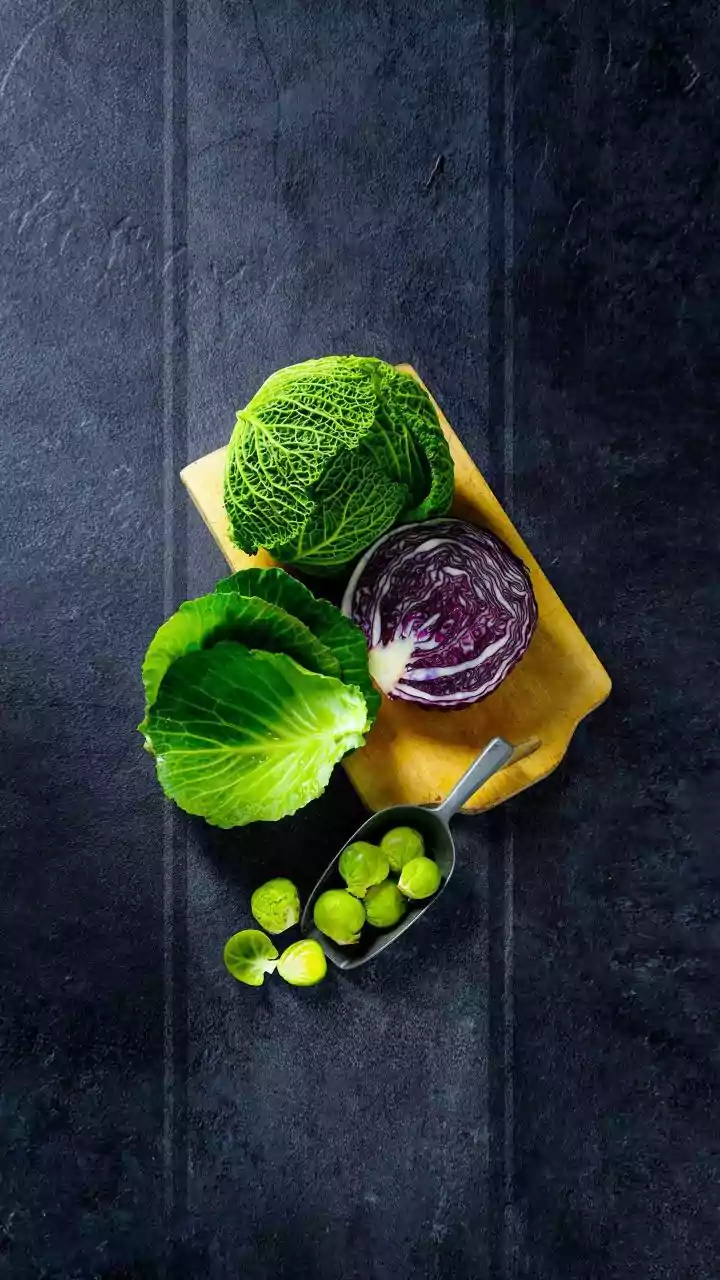
We all know that vegetables eaten in their prime season taste better, are more nutritious, and are often cheaper. In India, this means enjoying vibrant greens like spinach and fenuguk in the winter, and cooling cucubers and gourds during the summer months.
But simply buying what's in season is only the first step. To avoid the monotony of eating the same steamed broccoli or sautéed bhindi, the real magic lies not just in the 'what' but in the 'how'. By focusing on cooking methods, intentional seasoning, and varied textures, you can unlock countless delicious possibilities from a single vegetable, making every meal an exciting culinary adventure.
The Power of Heat: Choose Your Cooking Method
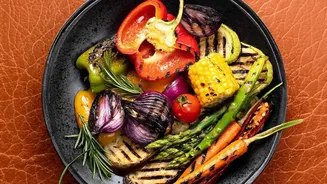
The way you apply heat to a vegetable dramatically changes its flavour and texture. Roasting, for example, uses high, dry heat to caramelise the natural sugars in vegetables like carrots, sweet potatoes, and cauliflower, creating a deep, sweet, and nutty flavour with crispy edges. Grilling imparts a smoky char that's irresistible on brinjal, capsicum, and corn. On the other hand, steaming is a gentle method that preserves the delicate flavour and crisp-tender texture of green beans and peas. Sautéing, a quick-cooking method in a hot pan with a little oil, keeps vegetables like spinach and mushrooms vibrant and flavourful. Don't be afraid to experiment; the same cauliflower can be soft and tender when steamed, or intensely savoury and crisp when roasted at a high temperature.
The Soul of the Dish: Seasoning with Purpose
Seasoning is about more than just adding salt. It's about building layers of flavour that complement the vegetable. Think about flavour profiles. For earthy root vegetables like beetroot and carrots, warm spices like cumin, coriander, and smoked paprika work wonders. Fresh, delicate vegetables like zucchini and peas shine with bright herbs like mint, basil, and dill. Don't forget the power of acid; a squeeze of lemon juice or a splash of vinegar at the end of cooking can brighten up heavy, rich flavours and make the entire dish taste more alive. For a uniquely Indian twist, think about your masalas. A simple tadka of mustard seeds, cumin seeds, and curry leaves in hot oil can transform a simple vegetable dish. The key is to season in stages, tasting as you go, to create a balanced and complex flavour profile.
A Feast for the Senses: The Importance of Texture
A meal's satisfaction often comes from textural contrast. A dish that is entirely soft can feel boring, no matter how flavourful it is. Think about ways to introduce a variety of textures into your vegetable dishes. If you've made a creamy roasted pumpkin soup, top it with crunchy toasted pumpkin seeds or crispy fried onions. Pair soft, sautéed greens with the crunch of roasted peanuts or almonds. Toasted breadcrumbs seasoned with garlic and herbs can add a wonderful crunch to roasted or steamed vegetables. Even leaving some vegetables raw, like thinly sliced cucumber in a cooked dal or grated carrot as a garnish, adds a refreshing and crunchy element. This interplay between soft, creamy, and crunchy elements keeps your palate engaged and makes the meal far more interesting.
Putting It All Together: A Simple Framework
Planning your vegetable-centric meals becomes easy with a simple framework. Start with your seasonal vegetable. For example, let's take the humble bottle gourd (lauki), common in Indian monsoons. Instead of a simple curry, try roasting cubes of it with cumin and a touch of chilli until tender and slightly browned. Then, for seasoning, finish with a squeeze of lime juice and fresh coriander. For texture, sprinkle some toasted sesame seeds on top before serving. Or consider winter carrots. Instead of just boiling them, you can glaze them with a bit of honey and ginger until they are glossy and tender-crisp. This approach—choosing a vegetable, a cooking method, a seasoning profile, and a textural element—turns meal planning from a chore into a creative process.