

The Foundation: Potato and Paneer
At the heart of every great kofta are its two main components: potato and paneer (Indian cottage cheese). They aren't just thrown in; they play distinct, complementary roles. Boiled and mashed potatoes provide the starchy, substantial base. The key is to use
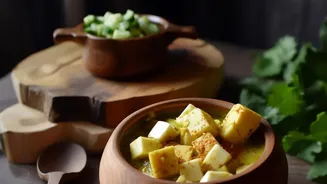
potatoes that are low in moisture, like old potatoes, and to ensure they are completely cooled before mashing to avoid a gummy texture. This starchy foundation gives the kofta body and a subtle sweetness. Paneer, on the other hand, brings the richness, a delicate milky flavour, and that coveted melt-in-the-mouth quality. For the best results, the paneer should be grated finely to ensure it incorporates smoothly into the potato mash, creating a seamless, lump-free dough. The ratio is also important; many classic recipes lean towards a roughly equal balance or slightly more paneer than potato to ensure the final product is rich and soft rather than dense.
The Crucial Binder
Without a good binding agent, your beautifully shaped koftas would fall apart in the hot oil—a truly heartbreaking moment for any cook. The binder’s job is to absorb excess moisture and hold the potato and paneer together. Cornflour (cornstarch) is the most common choice, valued for its ability to create a crisp exterior while keeping the inside tender. Other popular options include gram flour (besan), which adds a nutty flavour, or even breadcrumbs, which also help absorb moisture. The amount needed is usually small; just a few tablespoons are typically enough for a large batch. Overdoing it on the binder is a common mistake that leads to hard, dense koftas. The goal is to use just enough to create a soft, non-sticky dough that can be shaped easily without cracking.
Building the Flavour Profile
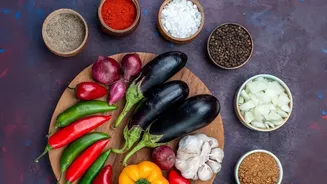
While potato and paneer provide the texture, the spices provide the soul. The classic Indian spice palette for koftas is warm, aromatic, and layered, but not necessarily overwhelmingly hot. Garam masala is a near-universal ingredient, offering a complex blend of spices like cinnamon, cloves, and cardamom. Cumin and coriander powders are also fundamental, providing earthy and citrusy notes. A pinch of turmeric can add a subtle, peppery warmth and a beautiful golden hue. For a touch of heat, a small amount of red chilli powder is often included, though this can be adjusted to personal taste. Some recipes also call for optional additions like dried fenugreek leaves (kasuri methi) or even a pinch of sugar to balance the flavours. The key is to create a harmony where no single spice dominates.
Freshness and Zing
To cut through the richness of the paneer and the starchiness of the potato, fresh ingredients are essential. Finely chopped or grated ginger and green chillies are almost always included, lending a sharp, pungent heat that brightens the entire mixture. Freshly chopped coriander leaves add a vibrant, herbaceous note that is quintessentially Indian. Some variations might include finely chopped onions or garlic, though many classic recipes keep it simple to let the paneer and primary spices shine. Occasionally, for a touch of luxury and texture, finely chopped nuts like cashews or almonds, and even sweet raisins, are mixed into the dough or used as a surprise filling in the centre of each kofta ball.
Achieving the Perfect Balance
Bringing all these elements together is an art of balance. The final mixture should be a soft, pliable dough that isn't wet or sticky. If it feels too wet, a little more binder might be needed. If it seems too dry, a splash of milk can sometimes help. A critical step many cooks recommend is to let the mixture rest for 10-15 minutes after combining. This allows the binder to fully absorb any moisture and helps the flavours meld. When shaping the koftas, your palms should be clean and perhaps lightly greased to prevent sticking and to form smooth, crack-free balls. Any cracks on the surface can be weak points that might cause the kofta to break apart during frying. A perfectly smooth ball is the first step towards a perfectly cooked kofta.