








Bottle Gourd (Lauki)
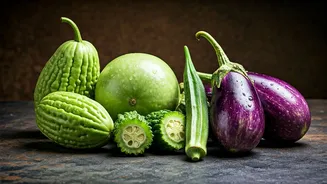
Often overlooked, the humble lauki is a monsoon superstar. With a water content of over 90%, it's incredibly hydrating and exceptionally easy to digest, making it perfect for a season when our digestive systems can be a bit sluggish. Rich in fibre, it helps
prevent constipation and keeps you feeling light. Traditional Indian wisdom has long praised lauki for its cooling properties. It’s also low in calories and packed with essential minerals like sodium and potassium, which help maintain electrolyte balance. Its versatility is its greatest strength. You can transform it into a simple, flavourful sabzi with minimal spices, a rich and creamy kofta curry, or even a comforting soup for a chilly, rainy evening. Don't dismiss this gourd; embrace it as your go-to for healthy, light monsoon meals.
Bitter Gourd (Karela)
Yes, it’s bitter, but its benefits are incredibly sweet, especially during the monsoon. Karela is a powerhouse of antioxidants and anti-inflammatory compounds that are crucial for boosting your immunity. The rainy season often brings a host of infections, and karela’s antimicrobial and antiviral properties offer a natural line of defence. It is famously known for helping manage blood sugar levels, but its benefits don't stop there. It's loaded with Vitamin C, which is vital for fighting off common colds and flu. To make it more palatable, you can scrape its skin, marinate it in salt and turmeric to reduce the bitterness, and then stir-fry it with onions and spices or stuff it to make a delicious bharwa karela. Think of it as a bitter medicine that keeps the doctor away.
Pointed Gourd (Parwal)
Parwal is a quintessential monsoon vegetable in many parts of India, and for good reason. It’s packed with vitamins A and C, and a host of antioxidants. According to Ayurveda, parwal is excellent for balancing the body and treating ailments like coughs, colds, and fevers, which are all too common during this damp season. Its high fibre content aids digestion and keeps the gut healthy. Unlike many other vegetables, it has a long shelf life and doesn’t spoil quickly in the humid weather. Its firm texture holds up beautifully in a variety of dishes, from hearty, spiced curries and stews to simple pan-fries. It absorbs flavours well, making it a wonderful canvas for your favourite masalas. It’s a reliable, nutritious, and delicious choice for your rainy-day menu.
Ridge Gourd (Turai)
Another gourd that deserves a prime spot on your monsoon plate is turai. Known for its distinct ridges, this vegetable is celebrated in Ayurveda as a natural blood purifier. Its high fibre and water content make it an excellent choice for digestive health, helping to prevent bloating and indigestion. Turai is also a good source of iron, which can help combat the lethargy that sometimes accompanies gloomy, overcast days. Furthermore, it contains peptides and alkaloids that help regulate insulin, making it beneficial for diabetics. It has a subtle, slightly sweet flavour and cooks down into a soft, comforting texture. It’s perfect in a simple dal, a light sabzi with poppy seeds (posto), or even as crispy, spiced fritters—a healthier alternative to potato pakoras.
Corn (Bhutta)
While technically a grain, no Indian monsoon experience is complete without bhutta. The sight of a street vendor roasting corn over hot coals is synonymous with rainy days. Beyond the nostalgia, corn is a surprisingly healthy snack. It’s a great source of fibre, which promotes satiety and aids digestion. It's also rich in antioxidants like lutein and zeaxanthin, which are good for eye health. A simple roasted bhutta, seasoned with salt, chilli powder, and a squeeze of lime, is a low-fat, nutrient-dense, and utterly satisfying snack. It's a far better choice than deep-fried alternatives. You can also enjoy boiled corn kernels in salads or soups for a pop of sweetness and texture. It's the taste of the monsoon, and it happens to be good for you too.