






More Than Just a Movie
A major Bollywood release is not just another Friday at the box office; it’s a cultural spectacle. The energy begins building weeks in advance, fueled by trailer launches, song releases, and relentless social media buzz. But the real magic happens at the grassroots
level, driven by dedicated fan clubs who transform a film's debut into a nationwide celebration. These groups organize everything from creating elaborate posters and flash mobs to booking out entire auditoriums for the coveted "first day, first show." In cities and towns across India, the release day is treated like a festival, with firecrackers, celebratory cakes, and massive cutouts of stars being garlanded and bathed in milk—rituals typically reserved for deities. It is a testament to the deep emotional connection audiences have with their stars, who are often seen as aspirational, larger-than-life figures.
The First-Day-First-Show Ritual
For the most ardent fans, attending the first screening of a film is a non-negotiable ritual. The objective is twofold: to celebrate their hero's return to the screen and to be among the first to experience the story, free from spoilers. The atmosphere is electric. Fans arrive hours early, sometimes for shows scheduled at dawn, turning the theatre premises into a carnival ground. Theatres, in turn, become active participants. Single-screen halls, in particular, have a long history of being decorated by fan clubs, creating a deep-rooted cultural connection that a more commercialized multiplex experience often lacks. This participatory culture ensures that the film is not just consumed but is actively welcomed and celebrated by its most loyal supporters.
An Interactive Spectacle
Inside the hall, the film is not a one-way broadcast; it's an interactive dialogue between the screen and the seats. The audience doesn’t just watch; they perform. Every hero's entry is met with a deafening roar of whistles and a shower of confetti. Punchy dialogues are often repeated verbatim by the crowd, and villains are greeted with boos. When a hit song comes on, it's not uncommon for people to leave their seats and start dancing in the aisles. This participatory viewing style is a hallmark of the Indian cinema experience. It transforms a passive viewing into an active, communal celebration, where every emotion—laughter, anger, suspense—is amplified by being shared with hundreds of others. This collective engagement is something that scholars note has deep roots in Indian traditions of public storytelling and performance.
The Evolution of the Experience
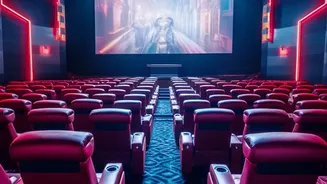
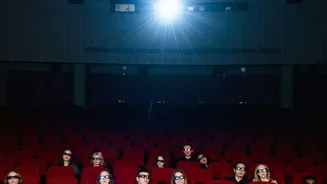
The rise of modern, air-conditioned multiplexes since the late 1990s has certainly changed the landscape. The experience in a premium multiplex, with its plush seats and gourmet popcorn, is vastly different from the raw, boisterous energy of a traditional single-screen theatre. While some research suggests a preference for the amenities of multiplexes, the core idea of a film release as an 'event' persists. In fact, the multiplex industry has leaned into this by offering premium formats like IMAX and 4DX, turning a blockbuster into an even bigger technological spectacle. Spectacle films, with their grand visuals and sound design, are deliberately made to be experienced on the big screen, ensuring that the theatrical 'event' remains relevant. Both single screens and multiplexes, though offering different environments, continue to function as crucial social hubs where communities gather to share in a collective story.
The Enduring Power of the Big Screen
Even with the convenience and vast content libraries of OTT platforms, the cultural role of the cinema hall remains distinct. While streaming is an individualised activity, cinema-going is about community. Studies and audience feedback consistently show that while people may use streaming for convenience, they still prefer the theatre for the unique 'cinematic experience'—the large screen, powerful sound, and shared ambiance that cannot be replicated at home. This is especially true for big-budget spectacles and films starring major icons, where the collective excitement is a huge part of the appeal. The cinema hall is not just a place to watch a movie; it is a modern-day arena for cultural expression, a space where stories are not just seen, but lived together.