







From Passive Interest to Active Demand
Generation Z, the cohort of over 377 million in India, is no longer just passively interested in eco-friendly clothes; they are actively driving the conversation. [5] For them, a purchase is a statement of identity. [2] This generation has grown up surrounded
by discussions on climate change and plastic waste, making them acutely aware of the fashion industry's environmental footprint. [7] As a result, they champion a holistic definition of sustainability that includes ethical production, conscious materials, and waste reduction. [2] Studies show that a vast majority—around 86% to 90%—expect brands to be transparent about their environmental impact and are willing to boycott those that aren't. [7, 18] This isn't just about feeling good; it's about holding corporations accountable.
The Second-Hand Revolution
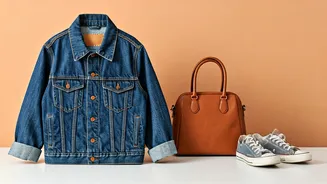
Nowhere is Gen Z's seriousness more visible than in the booming second-hand market. Thrifting has transformed from a necessity into a cultural statement of rejecting wasteful fast fashion. [2, 13] What was once confined to disorganised street markets has exploded onto online platforms, especially Instagram, where curated thrift stores are thriving. [12, 13] This movement is driven by a desire for affordability, uniqueness, and environmental responsibility. [13, 25] The Indian second-hand apparel market is already worth an estimated ₹33,000 crore and is steadily growing, powered by urban youth who see pre-loved clothing as both a smart and ethical choice. [15, 19] For many, finding a unique vintage piece is now the ultimate fashion flex. [16]
The Digital Megaphone and Greenwashing Detectives
Gen Z's greatest tool isn't their wallet—it's their digital fluency. [2] As digital natives, they use social media platforms like Instagram and TikTok not just for style inspiration but as a platform for activism. [2, 4] They are quick to call out brands for 'greenwashing'—making misleading claims about their environmental credentials. A brand's supply chain can be debated in a viral thread, making it impossible to hide behind slick marketing. [2] Influencers play a major role, educating their followers on everything from unethical labour practices to which brands are genuinely sustainable. [4] This digital scrutiny is forcing a new level of transparency and accountability that the industry has never faced before. [11]
Beyond Buying: The Rise of Rental and Repair
The commitment to sustainability extends beyond just buying second-hand. There is a growing interest in clothing rental services, especially for occasion-wear, which tackles the impracticality of owning expensive outfits that are worn only once. [21] This aligns with a broader rejection of societal pressure to constantly consume. [21] Furthermore, the concept of 'thrift flips'—where individuals upcycle or alter second-hand items to create something new and unique—is gaining massive traction. [20] This DIY approach celebrates creativity and resourcefulness, turning the act of getting dressed into a form of personal expression and environmental action. [13, 20] It’s a clear signal that the lifecycle of a garment is becoming just as important as its initial design.
The Industry Is Slowly Waking Up
Fashion brands are beginning to feel the pressure. Some are responding by launching sustainable collections, improving supply chain transparency, and even entering the resale market themselves. [6, 21] However, a significant challenge remains: the persistent allure of low-cost fast fashion. [2] While many Gen Z consumers say they are willing to pay more for sustainable products, price sensitivity is still a major factor, especially in a value-conscious market like India. [2, 7] Brands that genuinely integrate sustainability into their core strategy, rather than treating it as a marketing gimmick, are the ones poised to win the loyalty of this discerning generation. [8, 11] The message is clear: authenticity and true value will prevail over fleeting trends.