


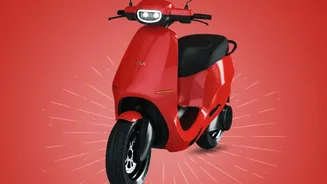
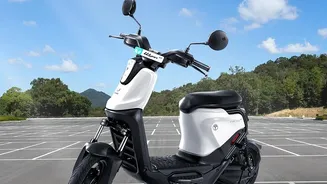
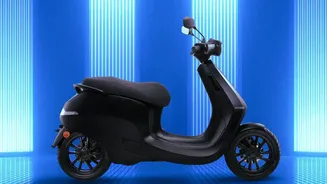
What Exactly Is Salt Energy Storage?
When we talk about 'salt energy,' we're really talking about sodium-ion batteries. Think of them as a close cousin to the lithium-ion batteries that currently power most electric vehicles (EVs) and smartphones. They work on a similar principle of moving
ions back and forth to store and release energy. The game-changing difference is the core ingredient. Instead of lithium, which is relatively rare and geographically concentrated, this technology uses sodium. Sodium is the sixth most abundant element on Earth, easily sourced from common rock salt. This incredible availability is the main reason it holds the potential to dramatically disrupt the EV market.
The Simple Math of Affordability
The high cost of an electric scooter is largely tied to its most expensive component: the battery. Lithium isn't just scarce; its price can be volatile due to geopolitical factors and complex supply chains. Since India imports the majority of its lithium-ion cells, this leaves the market vulnerable to global price swings. Sodium, on the other hand, is abundant and can be sourced more locally, promising a more stable and significantly cheaper raw material. Some projections suggest that once at scale, sodium-ion battery cells could be 40-50% cheaper than their lithium-ion counterparts. This cost saving at the component level can translate directly into a lower showroom price for the final electric scooter.
Performance, Safety, and the India Advantage
For years, the trade-off for sodium-ion's low cost was lower energy density, meaning a heavier battery was needed for the same range. However, recent advancements have pushed their performance to levels comparable with the popular LFP (lithium iron phosphate) batteries used in many entry-level EVs. For urban scooters, where a 400-kilometer range isn't necessary, modern sodium-ion batteries offer more than enough power. They also bring other critical advantages: superior performance in extreme temperatures (both hot and cold) and enhanced safety, as they are less prone to fire and can be safely transported at zero charge. This makes them particularly well-suited for India's diverse climate and road conditions.
How Fast Can We Expect This Change?
The 'fast' in the headline isn't just hype. While the technology has been in development for years, 2026 marks its arrival on a commercial scale. Major international manufacturers like CATL and BYD have already begun mass production, with the first sodium-ion powered passenger cars hitting the market this year. This signals that the technology is mature and ready for wider adoption. For the two-wheeler segment, which is a primary market for this innovation, the timeline is accelerating. As production ramps up globally through 2026 and 2027, the cost benefits are expected to trickle down, making sodium-ion a mainstream option for scooter manufacturers.
A 'Make in India' Boost
This technological shift aligns perfectly with India's strategic goals. Several Indian companies are already making significant strides in the sodium-ion space. Reliance acquired UK-based pioneer Faradion and plans to build a giga-factory in India. Other innovators, like the IIT Roorkee-incubated Indi Energy, are developing homegrown solutions, including creating key battery components from agricultural waste. This push not only reduces dependency on imports but also builds a resilient domestic supply chain, creating jobs and positioning India as a key player in the next generation of battery manufacturing. Widespread adoption of cheaper, locally-made EV batteries would provide a massive boost to the country's clean energy targets.