

Embracing the 'Off-Season' Charm
Traditionally, the period from June to September has been considered the off-season for tourism in Assam. However, this perception is shifting. Discerning travellers are now looking beyond crowded peak seasons, seeking more authentic and serene experiences.
The monsoon offers just that. With fewer tourists, popular spots become quieter, allowing for a more personal connection with the place. This trend is fueled by a desire for slow travel, where the journey is as important as the destination, and the rain is not an obstacle but a core part of the immersive experience. This shift transforms a trip into an exploration of a state washed clean, vibrant, and intensely alive.
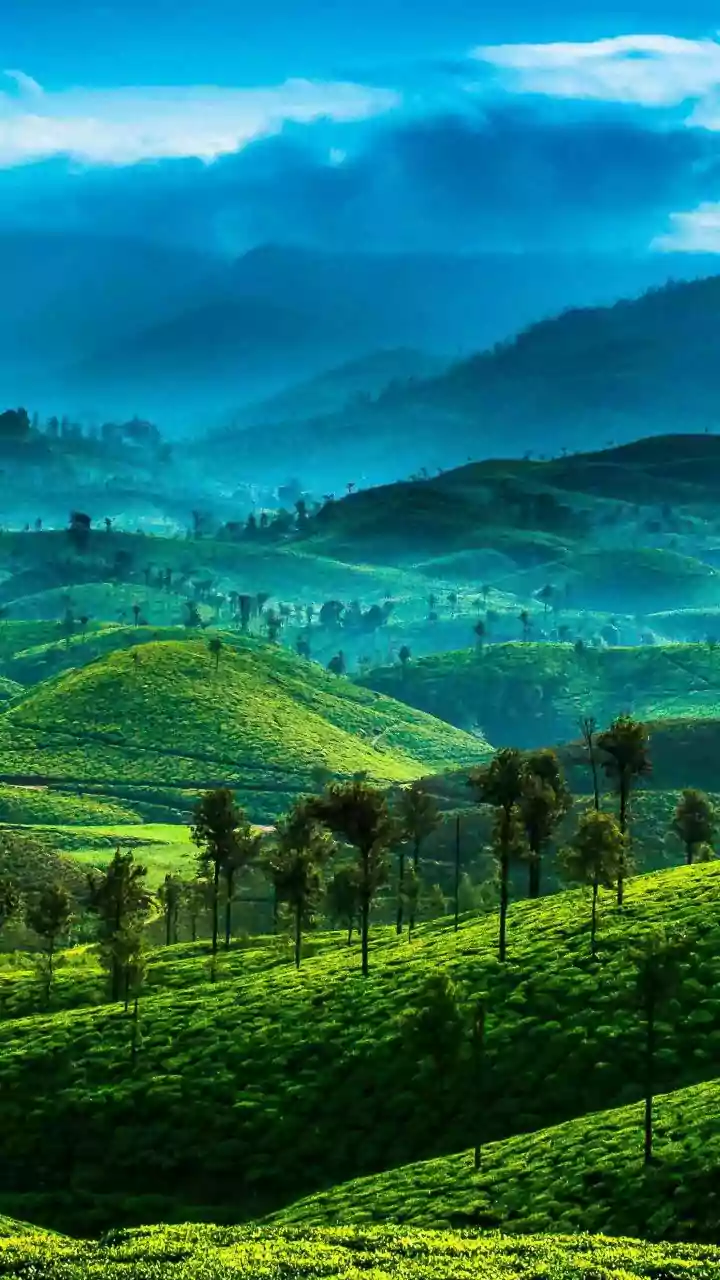
A Landscape Washed in Green
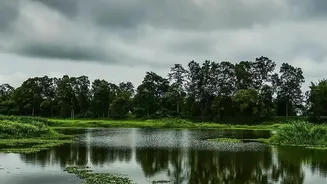
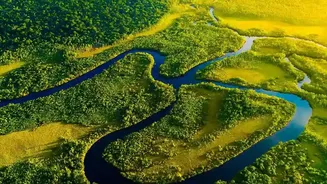
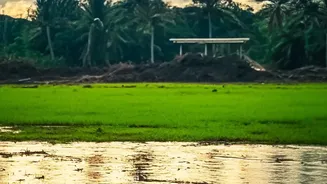
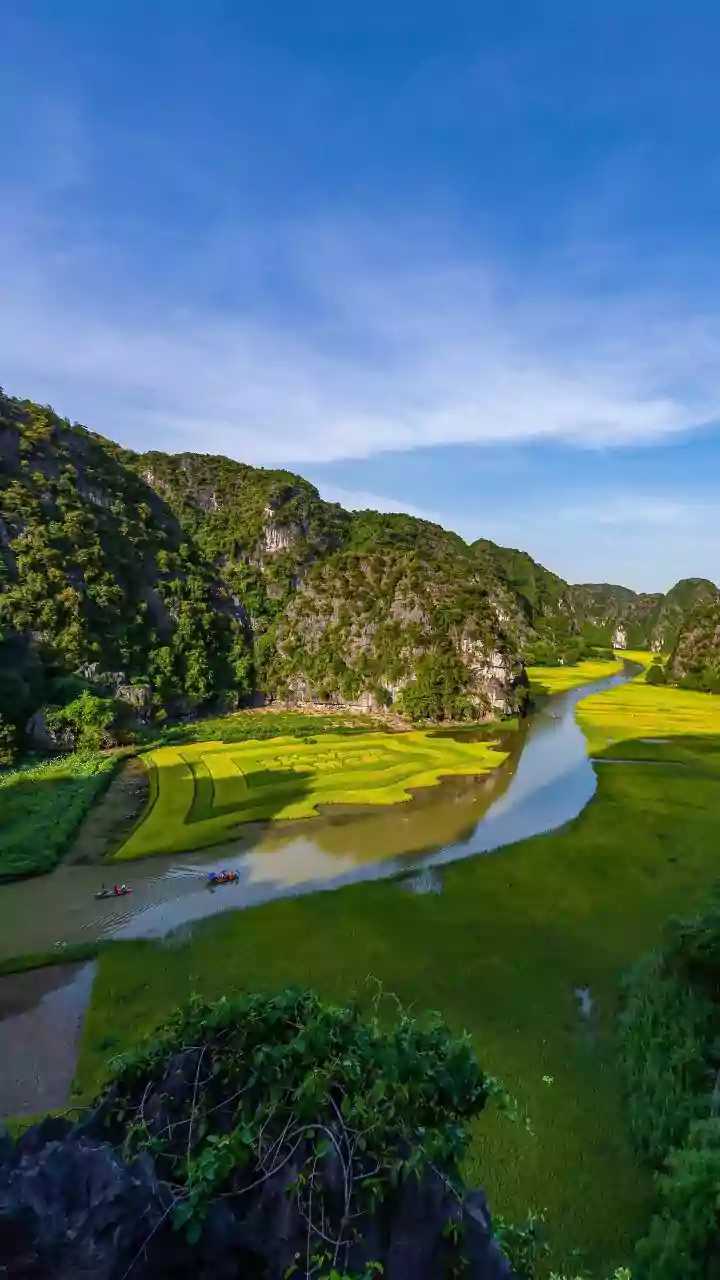
The most dramatic change the monsoon brings to Assam is the transformation of its landscape. The rains breathe life into the state, turning everything a brilliant, emerald green. The mighty Brahmaputra River swells, majestic and powerful, carving its way through the plains. The skies become a canvas of dramatic clouds, and intermittent showers give way to a soft, misty light that photographers dream of. It is a sensory feast: the smell of wet earth, the rhythmic sound of rainfall, and the sight of nature in its most rejuvenated state. This spectacle is what draws visitors who want to witness the land at its most vibrant and poetic.
The Romance of the Tea Gardens
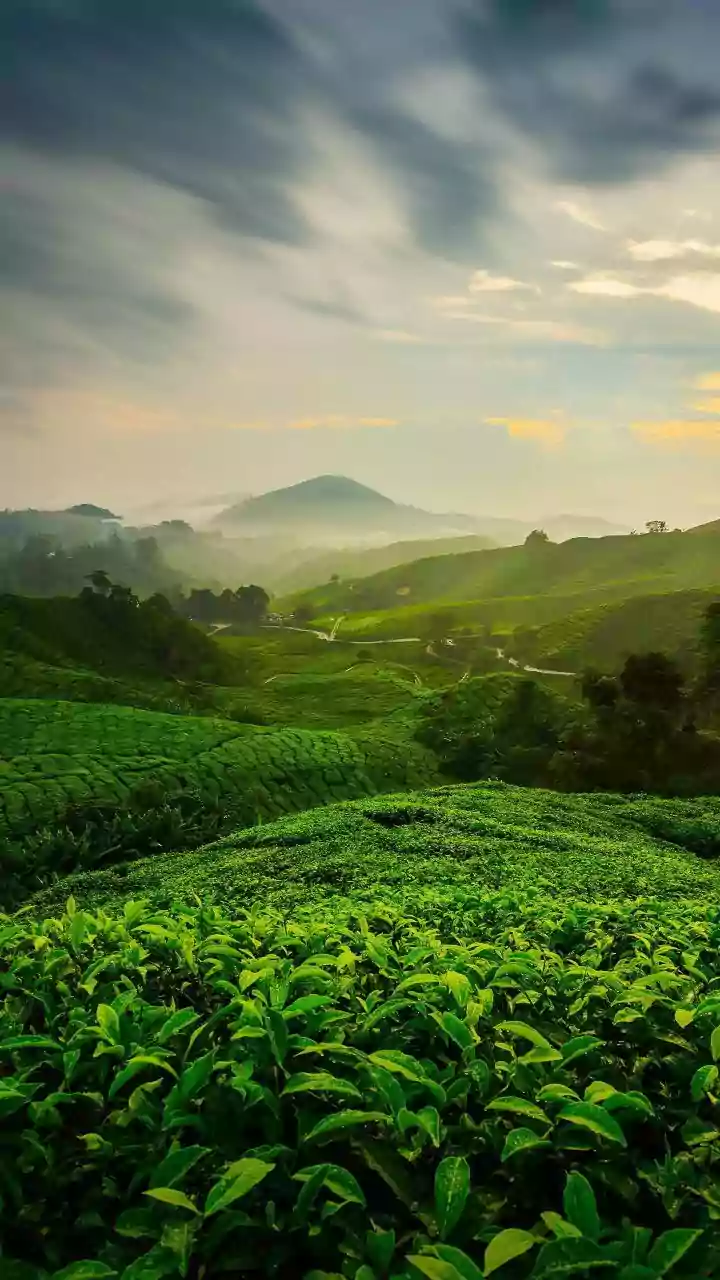
There is no better time to experience Assam's famed tea estates than during the monsoon. The plantations, stretching for miles around Jorhat and Dibrugarh, are at their most lush and picturesque during the rains. The tea bushes, heavy with raindrops, create a dream-like landscape. Many colonial-era tea bungalows have been converted into heritage stays, offering a unique opportunity to experience the life of a planter. Waking up to the sound of rain on the roof, surrounded by a sea of green, is an experience in itself. Guided tours often allow visitors to witness the tea-plucking process, which continues through the season, offering insight into the journey from leaf to cup.
Majuli and a Different Kind of Adventure
The world's largest river island, Majuli, takes on a surreal beauty during the monsoon. While travel here requires flexibility due to the powerful Brahmaputra, the experience is deeply rewarding for the adventurous. The island becomes a network of smaller islets, and navigating it by boat becomes the primary mode of exploration. The rain enhances the spiritual quietude of its ancient sattras (Vaishnavite monasteries). While ferry services can be unpredictable and parts of the island may flood, those who make the journey find a place of incredible peace and resilience, a testament to life lived in harmony with the river.
Wildlife in the Wet
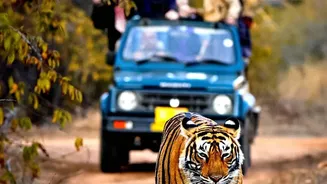
It's a common misconception that all wildlife viewing stops during the monsoon. While the core zones of major parks like Kaziranga National Park and Manas National Park are closed to safaris due to flooding, the broader ecosystem thrives. Parks like Dibru-Saikhowa, a wetland ecosystem, remain open and offer stunning boat safari opportunities. Other sanctuaries like Pobitora, known for its dense rhino population, also remain accessible and offer a different kind of safari experience amidst the flourishing greenery. For birdwatchers, the wetlands come alive, attracting numerous species. It's a chance to see Assam's biodiversity from a fresh, rain-soaked perspective.
Practical Tips for a Monsoon Journey
Travelling to Assam during the monsoon requires some preparation. Pack quick-drying clothes, waterproof footwear, and reliable rain gear. It is essential to have a flexible itinerary, as heavy rains can occasionally cause road disruptions or delays in ferry services. Booking accommodations in advance is wise, especially in popular areas. Most importantly, embrace the weather. The rain is not something to be avoided but to be enjoyed. With the right mindset, a monsoon trip to Assam offers a profound connection to nature and a perspective on the state that few get to see.