

We all love a crispy, satisfying meal, but often worry about the amount of oil involved. The secret to controlling the fat in your food isn't just what you cook, but how you cook it. Understanding this can change everything in your kitchen.
The Science of Sizzle and Soak
When you place
food in hot oil, a fascinating process begins. The moisture within the food rapidly turns to steam, creating pressure that pushes outwards. This outward flow of steam acts as a temporary barrier, preventing oil from immediately soaking into the food. As the surface dehydrates, a crust forms. The real magic, or mischief, happens during the cooling phase. Once the food is removed from the heat, the steam inside condenses, creating a vacuum that sucks oil from the surface into the newly formed pores. The structure of the food itself also plays a huge role; porous foods like eggplant or breaded coatings act like a sponge, absorbing more oil than dense foods like potatoes.
Deep-Frying: Maximum Oil Absorption
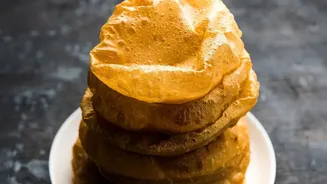
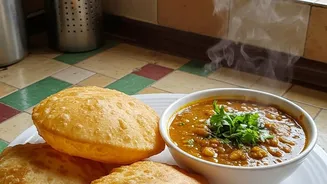
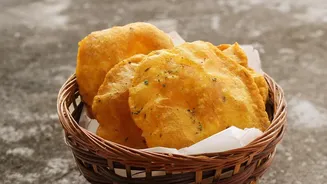
Deep-frying, where food is completely submerged in hot oil, results in the highest oil absorption, typically between 8% and 25%. The method is popular for creating an unmatched crispy texture, from samosas to french fries. However, temperature is key. If the oil isn't hot enough (ideally between 170°C and 190°C), the food cooks slower, and the protective steam barrier is less effective, leading to a greasier result. Conversely, extremely high heat can burn the outside before the inside is cooked. Much of the oil is absorbed after the food leaves the fryer, so letting items drain on a wire rack can make a significant difference.
Shallow-Frying and Sautéing: A Middle Ground
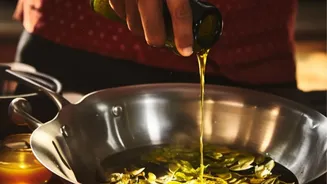
Shallow-frying and sautéing use significantly less oil than deep-frying. In shallow-frying, food is only partially submerged, which limits the surface area exposed to the large volume of oil, thus reducing absorption. Sautéing involves tossing food quickly in a very small amount of oil over high heat. This method is great for preserving nutrients due to the short cooking time. While both are healthier than deep-frying, the final oil content still depends on the amount of oil used and the food's absorbency. Pan-fried foods might retain around 3% to 10% of the oil used.
Air-Frying: The Modern Low-Oil Solution
The air fryer has become a kitchen staple for a reason. It works by circulating extremely hot air at high speed, creating a crispy finish with minimal oil—often just a teaspoon or a light spray. Compared to deep-frying, air-frying can reduce the fat content in finished food by up to 80%. For example, a deep-fried breaded chicken breast might absorb 30-40% of its weight in oil, while an air-fried one absorbs almost none. This method effectively mimics the texture of frying without submerging the food in fat, making it a popular choice for health-conscious cooks who still crave a crunch.
Baking and Roasting: Dry Heat for Less Fat
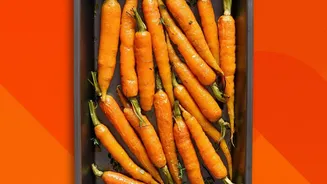
Baking and roasting use the dry heat of an oven to cook food. Unless you coat your food in oil beforehand, these methods add no extra fat. In fact, for foods with natural fat, like chicken with skin or certain cuts of meat, roasting can help render out and reduce the overall fat content as it drips away. While they don't produce the same 'fried' texture, roasting vegetables or baking potatoes are excellent ways to develop flavour through caramelization without adding significant calories from oil.
Steaming and Boiling: Zero Oil, Maximum Health
For the lowest possible fat content, steaming and boiling are the go-to methods. Steaming cooks food using the heat from water vapour, preserving more nutrients compared to boiling since the food isn't submerged in water. Boiling uses no oil but can cause some water-soluble vitamins to leach into the water. These methods won't give you a crispy texture, but they are ideal for cooking vegetables, fish, and dumplings like momos in the leanest way possible.