





The Nutritional Face-Off
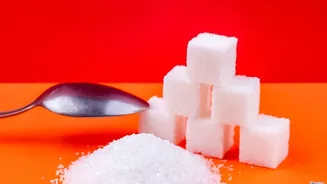
At first glance, jaggery seems to win the nutritional battle. Unlike refined white sugar, which is essentially 'empty calories' containing almost 99.8% sucrose, jaggery retains some of the nutrients from the sugarcane juice. Because it is unrefined, it contains
minerals like iron, magnesium, and potassium. It's this mineral content that forms the basis of its reputation as a healthier choice. White sugar, on the other hand, is stripped of these nutrients during its intensive refining process. However, the real question is whether the amount of these minerals in a typical serving is significant enough to make a difference.
A Tale of Two Sweeteners
When it comes to calories, there is almost no difference between the two. A 100-gram serving of jaggery contains around 383 calories, while the same amount of white sugar contains about 387 calories. This negligible difference means that swapping sugar for jaggery will not aid in weight loss. The idea that jaggery is a 'diet-friendly' option is a common misconception. Both are energy-dense sweeteners, and overconsumption of either can lead to weight gain. The true health benefit comes from reducing overall sweetener intake, not just substituting one for another.
The Glycemic Index Surprise
Perhaps the most surprising aspect of the jaggery versus sugar debate is their effect on blood sugar. Many believe jaggery is safer for those with diabetes because it's 'natural'. However, the opposite might be true. Most studies show that sugarcane jaggery has a high glycemic index (GI), often cited at around 84, which is even higher than that of white sugar (around 65). This means jaggery can cause a faster and more significant spike in blood sugar levels. For individuals managing diabetes or insulin resistance, this makes jaggery a risky choice, and it certainly shouldn't be considered a 'safe' sweetener. Both should be consumed with extreme caution and moderation.
The Portion Size Problem
While jaggery does contain iron and other minerals, the benefits are often overstated because they're based on a large quantity of 100 grams. A realistic serving size, such as a teaspoon or a small block in tea, is closer to 10 grams. In that amount, the mineral contribution is quite small, providing only a fraction of your daily requirement. To get a significant dose of iron from jaggery, you would need to consume a very large amount, and the massive sugar intake would far outweigh any mineral benefits. The traditional winter benefits, like providing warmth and energy, are primarily due to its calorie content, a trait it shares with sugar.
Traditional Beliefs vs. Modern Realities
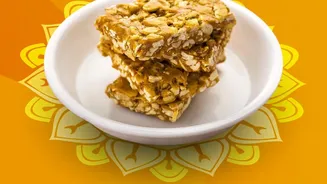
In Ayurveda and traditional home remedies, jaggery is prized for its ability to aid digestion, cleanse the body, and relieve cold and cough symptoms. These beliefs contribute to its healthy image. It is often consumed after meals to help with digestion or used in winter tonics. While its unrefined nature and trace minerals are a slight edge over processed sugar, it's crucial to separate tradition from nutritional science. Excessive consumption can lead to the same problems as too much sugar, including digestive issues, weight gain, and an increased risk of dental cavities.