




The Old Hydration Guessing Game
For decades, hydration advice has been based on broad generalizations. Drink eight glasses a day, sip before you’re thirsty, or weigh yourself before and after a run. While well-intentioned, these methods fail to account for the huge variability between
individuals. How much you sweat, the intensity of your workout, the heat and humidity, and your unique body chemistry all play a massive role. Two people running the same distance on the same day can have vastly different fluid and electrolyte needs. This one-size-fits-all approach means some people are chronically under-hydrated, leading to fatigue and cramps, while others might drink too much plain water, risking a dangerous condition called hyponatremia where sodium levels become dangerously diluted. It's a constant guessing game that can impact both performance and safety.
Enter the Smart Sweat Patch
Imagine a small, flexible patch you stick on your arm before a workout. As you exercise and begin to sweat, this patch doesn’t just absorb it; it analyzes it. This is the world of wearable sweat sensors. Companies like Nix Biosensors and FLOWBIO have developed systems that continuously measure key components of your sweat in real time. These devices typically consist of a single-use adhesive patch containing microfluidic channels and a reusable electronic 'pod' that snaps onto it. As sweat flows into the patch, the sensor analyzes its composition and sends the data wirelessly to an app on your smartphone or sports watch. This transforms your sweat from a simple sign of exertion into a valuable stream of personalized biological data.
Why Tracking Sodium Is So Important
While we often think of sweat as just water, it’s actually a complex fluid filled with electrolytes. The most significant electrolyte lost in sweat is sodium. Sodium is critical for numerous bodily functions, including maintaining fluid balance, enabling nerve impulse transmission, and facilitating muscle contractions. When you lose too much sodium without replacing it, your performance can plummet. It can lead to muscle cramps, dizziness, and reduced endurance. A 2015 study even found that athletes who adequately replaced their lost sodium completed a triathlon significantly faster than those who didn't. Simply drinking water only replaces the fluid, not the crucial electrolytes. By measuring sodium concentration directly from your sweat, these new sensors provide a much more complete picture of what your body needs to stay properly balanced.
From Raw Data to Actionable Advice
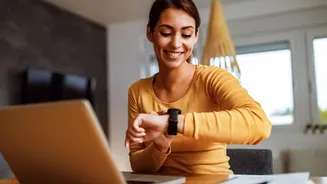
A sensor that just tells you how much sodium you’ve lost isn’t very useful on its own. The real innovation is how the accompanying software translates that data into simple, actionable guidance. The apps connected to these sensors calculate both your real-time fluid loss and your total electrolyte loss. During your run or bike ride, the app can send you a notification directly to your watch: “Drink 8 oz of your sports drink now.” It knows what you’re drinking because you tell the app beforehand. Based on your personal sweat rate and sodium concentration, it develops a customized strategy to help you replace what you’re losing, when you need to. After the workout, it provides a full summary of your sweat composition, helping you refine your hydration plan for future training sessions. It’s a shift from reactive guessing to proactive, data-driven fuelling.
The Future of Personalized Performance
This technology is still in its early stages and is primarily aimed at serious endurance athletes for now. Products from brands like Nix can be an investment compared to a box of sports drinks. However, as the technology becomes more widespread and affordable, it points towards a future where personalized nutrition and hydration are the norm for everyone. Researchers are already developing sensors that can track other biomarkers in sweat, such as glucose and lactate, which could provide even deeper insights into metabolic health and exercise intensity. For now, real-time sweat analysis represents a major leap forward, moving us beyond generic guidelines and empowering individuals to understand their unique physiology. It offers a powerful tool for anyone looking to optimize their performance, improve their recovery, and stay safer while pushing their limits outdoors.