



A Landmark Partnership for a National Ambition
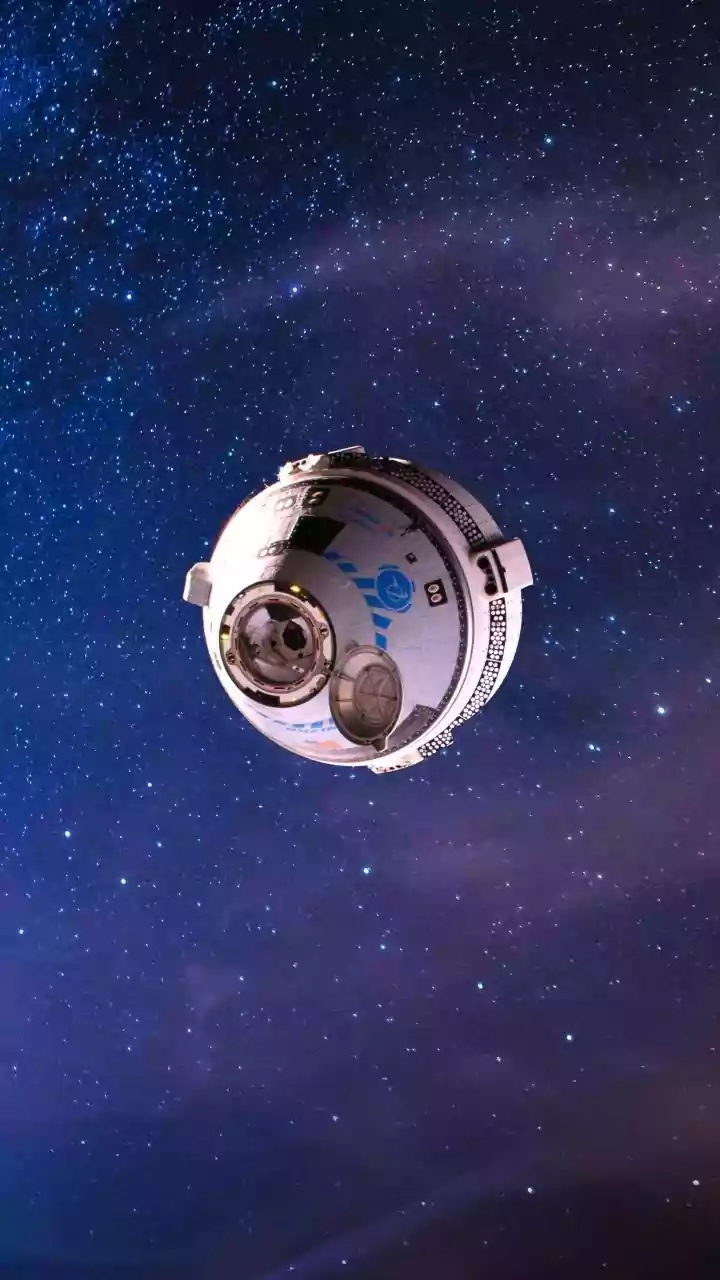
In early 2026, the Indian Space Research Organisation (ISRO) and the All India Institute of Medical Sciences (AIIMS) signed a landmark memorandum of understanding. The primary goal is to support India’s ambitious human spaceflight program, including the Gaganyaan
mission and future long-duration stays at the proposed Bharatiya Antariksh Station. This collaboration brings together the country's best engineers and doctors to tackle the unique and extreme medical challenges of space travel. They will jointly research and develop the medical devices, protocols, and expertise needed to ensure the health and safety of Indian astronauts millions of miles from home.
Space: An Accelerator for Human Aging
The microgravity environment of space is one of the harshest imaginable for the human body. Without the constant pull of gravity, astronauts' bodies change in ways that mimic accelerated aging on Earth. They can experience significant bone density loss, similar to osteoporosis, and muscle atrophy from lack of use. Their cardiovascular systems must adapt to fluids shifting towards the head, and their immune systems can become impaired. The research conducted by ISRO and AIIMS will focus on these key areas: human physiology, musculoskeletal health, immunology, nutrition, and behavioural health to counteract these effects.
From the Stars to the Streets: Telemedicine
One of the most immediate and impactful benefits for India lies in telemedicine. To monitor the health of Gaganyaan astronauts in real-time, ISRO is developing advanced wearable sensors and remote diagnostic tools. These devices, capable of constantly transmitting vital signs like heart rate and ECG to a medical team on the ground, are the bedrock of space medicine. The same technology has transformative potential for healthcare in India's remote and rural areas. Imagine a patient in a village being able to access specialist care from a top doctor in a city hundreds of kilometres away, using satellite communication and portable diagnostic tools developed initially for space. This collaboration can help bridge the urban-rural healthcare divide by making expert medical advice more accessible.
Innovations in Medical Devices and Treatments
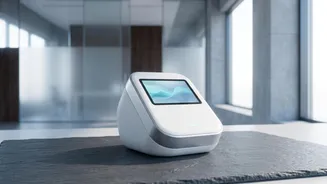
The extreme constraints of space force incredible innovation. Medical devices for astronauts must be compact, durable, and highly efficient. The research could lead to the development of new portable diagnostic equipment, advanced life-support systems, and even better medical imaging techniques. Furthermore, studying how to prevent bone loss and muscle wasting in astronauts provides invaluable data for treating osteoporosis, sarcopenia, and helping patients recover from prolonged bed rest on Earth. Technologies developed to improve blood circulation in astronauts' legs could be adapted to help patients with circulatory disorders. Even research into the psychological stress of long-duration missions can inform our understanding and treatment of mental health issues on Earth.
A New Ecosystem for Indian Healthcare
This partnership is more than just a single research project; it's about building a national ecosystem for advanced medical research and development. It fosters a new level of interdisciplinary cooperation between doctors, engineers, and scientists, creating new opportunities for India's scientific community. The knowledge gained and technologies developed will not only support ISRO's future space missions but will also spin off into the commercial healthcare sector, potentially creating low-cost, high-tech medical solutions made in India. By investing in space medicine, India is positioning itself as a global player in a highly specialised field and paving the way for a healthier future for all its citizens.