



Visas and Border Crossings
For Indian passport holders, navigating entry into Laos and Cambodia is quite straightforward. Both countries offer an eVisa service, which is the recommended route to avoid delays and potential hassles at land borders. Cambodia's eVisa typically costs
around $30, while Laos is in a similar range. You can also get a visa on arrival for both countries, but having an eVisa prepared saves time and energy. The most common overland border crossing between Cambodia and Laos is the Trapeang Kriel (Cambodia) / Nong Nok Khiene (Laos) checkpoint. It’s wise to have some US dollars in cash for small, unofficial stamping fees that are common at land crossings. A key tip: only hand your passport directly to immigration officials inside the office, not to 'helpers' outside.
Getting Around on a Budget
Overland travel is part of the adventure. The most popular way to get between cities and across the border is by bus. Companies offer direct routes, such as from Siem Reap in Cambodia to Don Det (4000 Islands) in southern Laos. These bus packages are convenient, though the buses themselves can be old. Booking tickets in advance is a good idea as they can sell out. Overnight sleeper buses are a fantastic option for longer journeys, like from Vientiane to Pakse in Laos, as they save you time and the cost of a night's accommodation. Within cities, tuk-tuks are the go-to for short distances, but always agree on the fare before you start your journey to avoid being overcharged.
Accommodation on a Shoestring
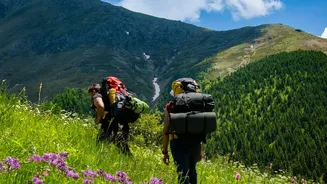
Finding a cheap place to sleep is easy in both countries. The backpacker trail is well-established, with hostels and guesthouses in every major town. A dorm bed can cost as little as ₹500-₹700 a night, while basic private rooms in guesthouses can be found for around $8–$15 (roughly ₹650–₹1250). In popular spots like Don Det in Laos, you can still find riverside bungalows for under $8. While you can often find a room by just showing up, booking your first night in a new city online can relieve stress after a long travel day. Hostels are not just cheap; they are also social hubs for meeting other young travellers.
Daily Budgeting Demystified
So, how much will this trip actually cost? If you’re smart, not much. A realistic daily budget for a backpacker sticking to street food and hostels is between $25-$35 (about ₹2,100–₹2,900) per day. Cambodia is generally considered slightly cheaper than Laos. Your biggest expenses will be accommodation, transport between cities, and any major tours. Food is incredibly affordable if you eat like a local. A delicious bowl of noodles or a plate of rice from a street vendor will rarely cost more than $2-$3 (₹160-₹250). Keep in mind that major tourist attractions have fixed entry fees, like the $37 one-day pass for Angkor Wat, so be sure to budget for these separately.
Must-Dos That Won’t Break the Bank
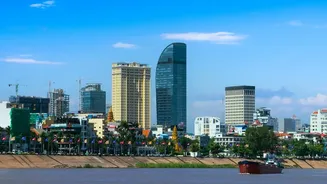
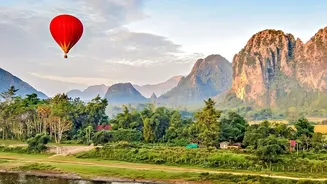
While Angkor Wat is a must-see, many of the best experiences are cheap or free. In Cambodia, spend days wandering through local markets in Phnom Penh, or relaxing on the riverfront. In Laos, the vibe is all about slowing down. Explore the stunning Kuang Si Falls near Luang Prabang (entry fee is minimal), rent a bicycle to explore the countryside around Vang Vieng, or simply find a hammock in the 4000 Islands and watch the Mekong drift by. The journey itself, through rural landscapes and small villages, is an attraction. Interacting with locals and other travellers often creates the most lasting memories and costs nothing at all.
Staying Safe and Savvy
Both Laos and Cambodia are generally safe for backpackers, but it pays to be aware. The most common issues are petty theft and scams. Always keep your valuables secure, especially on night buses. Be cautious of overly friendly strangers at border crossings or bus stations. When renting a motorbike, check it thoroughly for existing damage and take photos. Health-wise, stick to bottled or filtered water, and be mindful of mosquito-borne illnesses by using repellent, especially in rural areas. Getting comprehensive travel insurance before you leave India is non-negotiable; it's a small price to pay for peace of mind.