



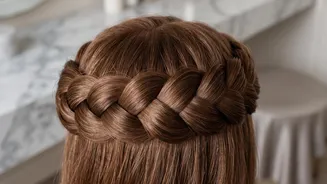
1. The Classic Dutch Halo Braid
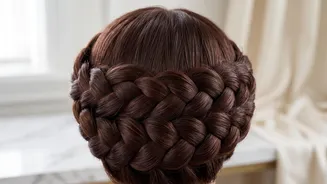
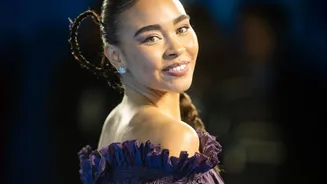
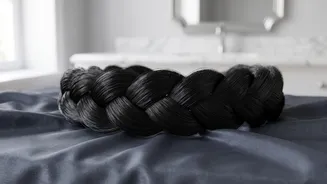
The Dutch braid, often called a reverse French braid, creates a prominent, 'on-top' plait that stands out beautifully. To pair it with a ponytail, you begin by sectioning the hair you want to leave out for the pony. Then, starting near one temple, you create a Dutch braid that follows
your hairline. Instead of crossing strands over the middle, you cross them under. This technique makes the braid pop. You continue this braid around your head, incorporating small sections of hair from the hairline as you go. Once the braid wraps fully around and meets the starting point, you can secure the end and gather the remaining loose hair into a high or low ponytail. The result is a clean, regal frame for a simple, chic pony.
2. The Romantic Fishtail Halo
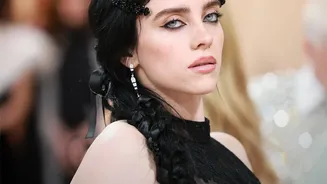
For a more delicate and intricate look, the fishtail halo is an excellent choice. This braid uses two strands instead of three, creating a detailed, herringbone-like pattern. While it takes a bit more patience, the results are worth it. You can create two long fishtail braids, one on each side of your head, starting from just above the ears. Once both are braided to the ends, you simply cross them over the top of your head, like a headband, and pin them securely behind the opposite ear. The remaining hair is then swept into a ponytail. Gently pulling on the edges of the fishtail braids, a technique known as 'pancaking', can create a fuller, more romantic and boho-chic appearance.
3. The Effortless Twisted Halo
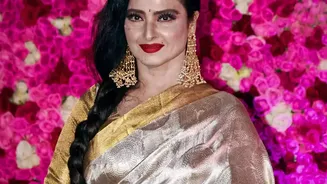
If braiding feels too complex, a rope twist halo offers a stunning alternative with a simpler technique. A rope braid involves splitting a section of hair into two, twisting each section in the same direction (e.g., to the right), and then wrapping them around each other in the opposite direction (to the left). To create a halo, you would typically make two separate rope braids from sections of hair near your face. You then wrap them up and over your head, pinning them in place to form a crown. The rest of your hair can be pulled back into a soft ponytail. This style is quick, effective, and gives a polished, almost Grecian-goddess look without the complexity of a multi-strand braid.
4. The Double-Braid Statement Halo
Why settle for one braid when you can have two? A double halo creates a richer, more dimensional look that is surprisingly achievable. This style involves creating two separate, smaller braids that wrap around the head, one stacked above the other. You can create two Dutch or French braids, starting from the same part line but working at slightly different levels along the hairline. This method works especially well for those with medium-length or layered hair, as smaller braids are more manageable and can be pinned more easily. After securing both braided crowns, the rest of the hair flows into a ponytail, making for a truly eye-catching and intricate style perfect for special occasions.
5. The Deconstructed Boho Braid
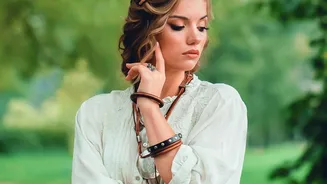
For a relaxed and free-spirited vibe, the deconstructed or 'messy' halo braid is ideal. The beauty of this style is that precision is not the goal. It works wonderfully with second-day hair that has a bit of natural texture and grip. Create any type of halo braid—Dutch, fishtail, or classic three-strand—but keep it loose. Once the braid is in place, gently tug at the sections to widen them and create a softer, more voluminous effect. Pull out a few face-framing tendrils to complete the romantic, undone look. When paired with a low, loose ponytail, this style is the epitome of effortless elegance, perfect for a casual day out or a rustic-themed event.